Battery vs. Hydrogen Fuel Cells in Modern Mobility
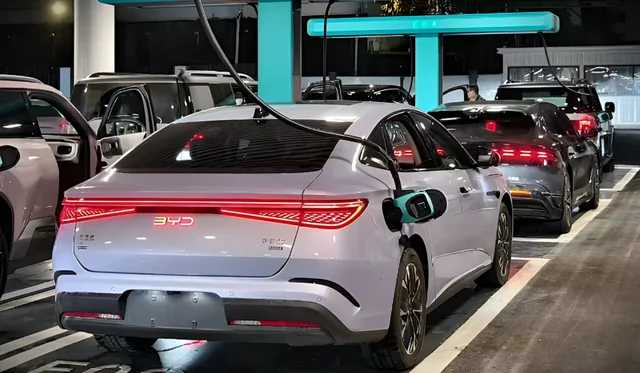
Since the launch of early mass-market battery electric vehicles (BEVs) such as the Nissan Leaf in 2010 and Tesla Model S in 2012, the automotive sector has undergone a profound shift toward electrification. In China, BEV sales surged from 1 million units in 2020 to 3 million in 2021, underscoring the pace of adoption. In the United States, the number of BEV models available is projected to double by 2024. Yet, the International Energy Agency warns that meeting global climate goals will require a thirtyfold increase in annual mineral supply for the auto industry. “The data shows a looming mismatch between the world’s strengthened climate ambitions and the availability of critical minerals,” stated Fatih Birol, IEA.

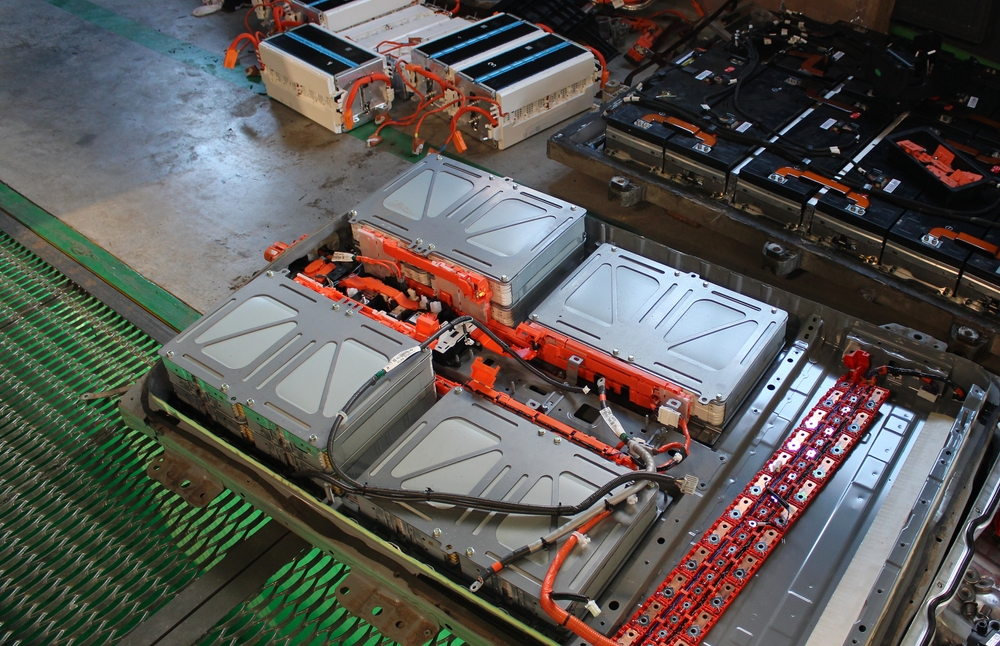
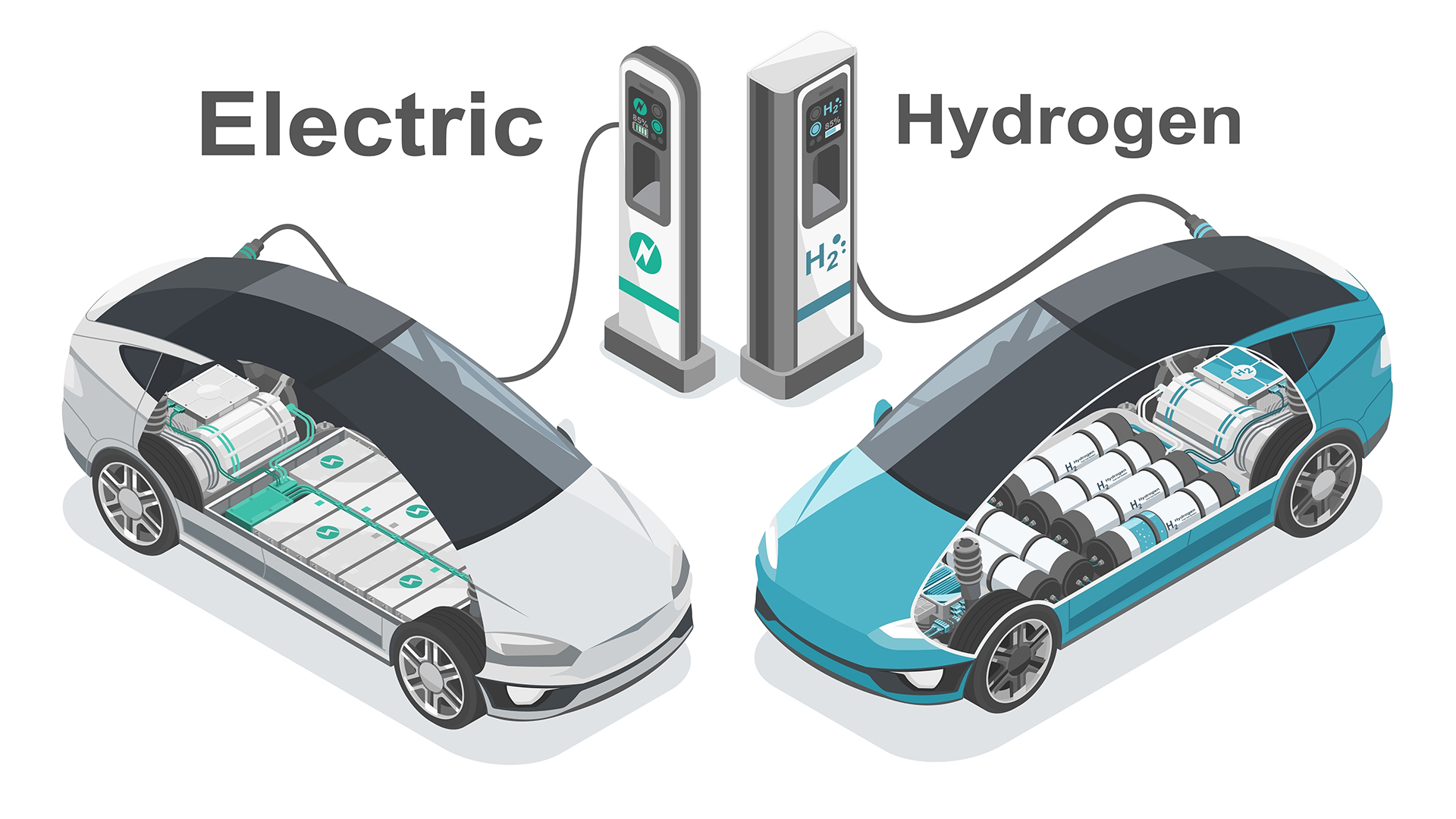
While BEVs dominate headlines, fuel cell electric vehicles (FCEVs) present an alternative pathway to decarbonizing transportation. Both are electric at their core, but their energy architectures differ fundamentally. BEVs store electricity in large lithium-ion battery packs, whereas FCEVs generate electricity onboard using hydrogen fuel cells.
In an FCEV, the lithium-ion battery is smaller, serving as a buffer rather than the primary energy store. For perspective, a Tesla Model S Plaid carries 7,920 individual cells, while a Toyota Mirai FCEV uses just 330. The hydrogen fuel tank stores gaseous hydrogen under high pressure; liquid hydrogen is impractical for automotive use due to its cryogenic requirements of −150°C or lower. The fuel cell stack converts hydrogen and oxygen into electricity through an electrochemical process. Hydrogen molecules are split into protons and electrons; protons pass through an electrolyte, while electrons travel via an external circuit, creating current to drive the motor. At the reaction’s end, protons, electrons, and oxygen recombine to form water, which exits through the exhaust.
Despite the technical elegance of fuel cells, industry momentum favors BEVs. Volkswagen Group CEO Herbert Diess remarked, “Green hydrogen is needed for steel, chemical, aero… and should not end up in cars. Far too expensive, inefficient, slow and difficult to rollout and transport.” This view reflects concerns over hydrogen’s energy conversion losses and logistical hurdles.
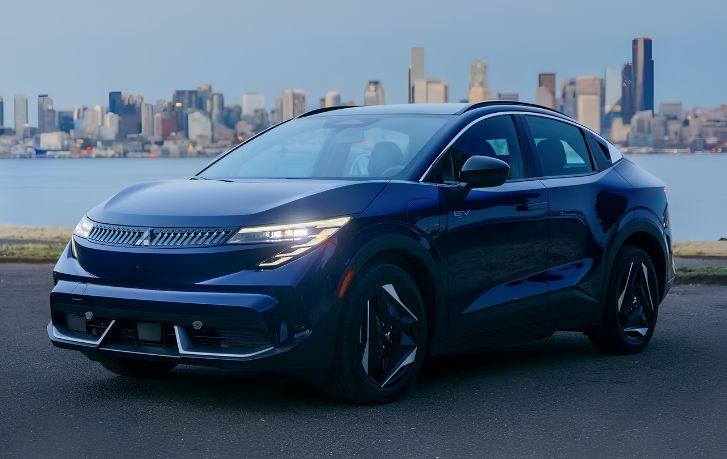
Toyota and Hyundai remain committed to fuel cell development, though Hyundai and its affiliate Kia have also released multiple BEVs. Toyota’s strategy is more singular, having invested heavily in hydrogen while delaying entry into the BEV market. Wired observed, “Confronted with a losing hand, Toyota is doing what most large corporations do when they find themselves playing the wrong game—it’s fighting to change the game.” Toyota’s first mass-market BEV, the bZ4X crossover, is slated for the 2023 model year—over a decade after Tesla’s Model S debut.
Performance comparisons show FCEVs are competitive in range, with the Toyota Mirai rated at 402 miles by the EPA, versus 505 miles for the Lucid Air BEV. However, two significant barriers hinder FCEV adoption: efficiency and infrastructure. Hydrogen production, compression, transport, and conversion to electricity entail higher energy losses than direct battery charging. Infrastructure is sparse; the U.S. Department of Energy lists only 48 hydrogen fueling stations nationwide, 47 in California and one in Hawaii. In contrast, BEVs benefit from 49,210 public charging stations across the country, supplemented by home charging capability.
Infrastructure expansion plans further tilt the balance. The Biden administration has allocated $5 billion to states for building out EV charging networks, ensuring BEVs will have increasingly ubiquitous access to energy. For FCEVs, scaling hydrogen supply chains and refueling networks remains a formidable challenge, requiring coordinated investment across production, distribution, and retail fueling.
The divergence between BEV and FCEV trajectories reflects not only technological differences but also strategic bets by automakers. While fuel cells offer rapid refueling and potentially longer-term decarbonization benefits in certain sectors, the automotive market’s current momentum and infrastructure build-out favor battery-powered solutions.