Mobile Smart Factory Brings On-Demand Production Anywhere
The Mobile Smart Factory, developed by a division of Bionic Production GmbH, represents a modular, transportable approach to additive manufacturing designed to operate directly at the point of need. Conceived in collaboration with Hamburg’s port operator, the system addresses persistent supply chain challenges by enabling industries to produce and repair parts locally, bypassing the delays and costs of centralized storage and distribution.

Johannes Schmidt, an expert in project management, strategy development, and business analysis at Bionic Production, emphasized the company’s mission to “increase performance and create added value through bionic 3D printing for our customers.” Since 2019, Bionic Production has been part of Hamburger Hafen und Logistik AG (HHLA), a leading European logistics company, underscoring the recognition of additive manufacturing’s potential within logistics and maritime sectors.
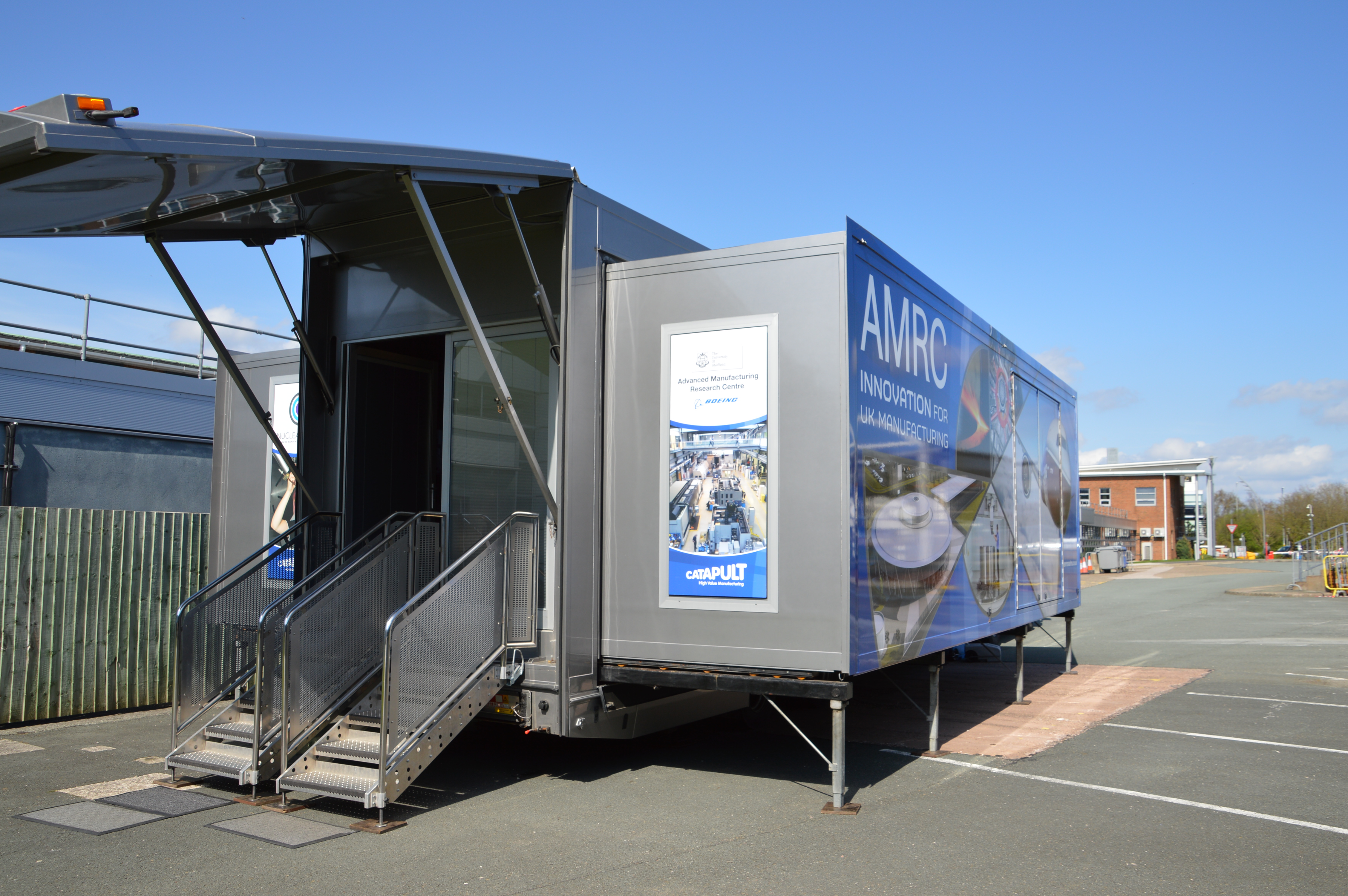
The Mobile Smart Factory is built around two CSC-certified shipping containers, forming a plug-and-print solution that covers the entire additive manufacturing workflow. The control unit handles preprocessing and polymer production, equipped with CAD software and handheld scanning tools to digitize parts and store them in a secure virtual cloud. This digital inventory allows companies to maintain spare parts as files rather than physical stock, enabling rapid on-demand production.
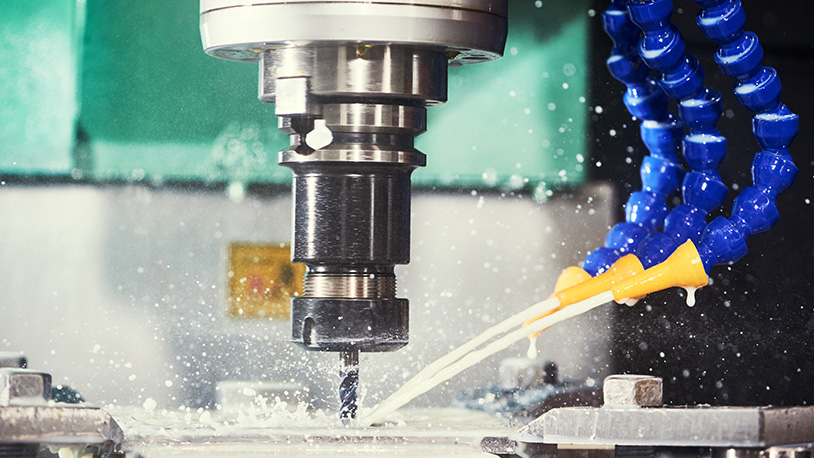
The production unit focuses on metal fabrication and repair, utilizing a multi-optional 6-axis machine that integrates wire arc additive manufacturing (WAAM) with milling and drilling capabilities. WAAM technology offers notable advantages: high deposition rates, large build volumes, straightforward material handling, and a stable process suitable for industrial environments. These attributes make it possible to produce sizable, structurally robust components in a fraction of the time required by conventional methods.
Targeted applications span sectors with constrained logistical access, including mining, marine energy, defense, and maritime operations. In such contexts, spare parts are often expensive to store and difficult to source within tight operational timelines. Deploying a Mobile Smart Factory near a mine or offshore platform allows parts to be manufactured on-site, eliminating transit delays and reducing dependency on distant suppliers. This capability not only improves operational efficiency but also mitigates the risk of costly downtime.
The concept aligns with broader industrial trends toward reindustrialization and localized production. The COVID-19 pandemic exposed vulnerabilities in global supply chains, particularly those reliant on manufacturing hubs such as China. As Schmidt noted, “More and more countries are striving to reduce dependencies on geographically distant suppliers.” Industry 4.0 technologies, including additive manufacturing, are expected to drive productivity gains that narrow wage differentials between regions, making local production economically viable.
Mass customization is poised to accelerate this shift, enabling products tailored to specific requirements without sacrificing efficiency. Additive manufacturing, while unlikely to replace traditional techniques entirely, will complement them by offering flexibility and responsiveness that conventional processes cannot match. The Mobile Smart Factory exemplifies this synergy, integrating advanced digital workflows with robust fabrication capabilities in a portable, self-contained format.
For industries operating in remote or resource-constrained environments, the ability to produce complex components on demand represents a strategic advantage. By embedding manufacturing capacity within the operational footprint, organizations can adapt more quickly to unforeseen needs, maintain equipment availability, and explore new business opportunities. Schmidt affirmed, “It is time to prepare for the era of additive manufacturing and take advantage of the considerable potential, improve operational efficiency and open up new areas of business.”
The Mobile Smart Factory demonstrates how modular, mobile production units can transform supply chain dynamics, offering resilience against disruptions and enabling a new level of responsiveness in industrial operations.