AI-Powered Management and the Human Oversight Gap
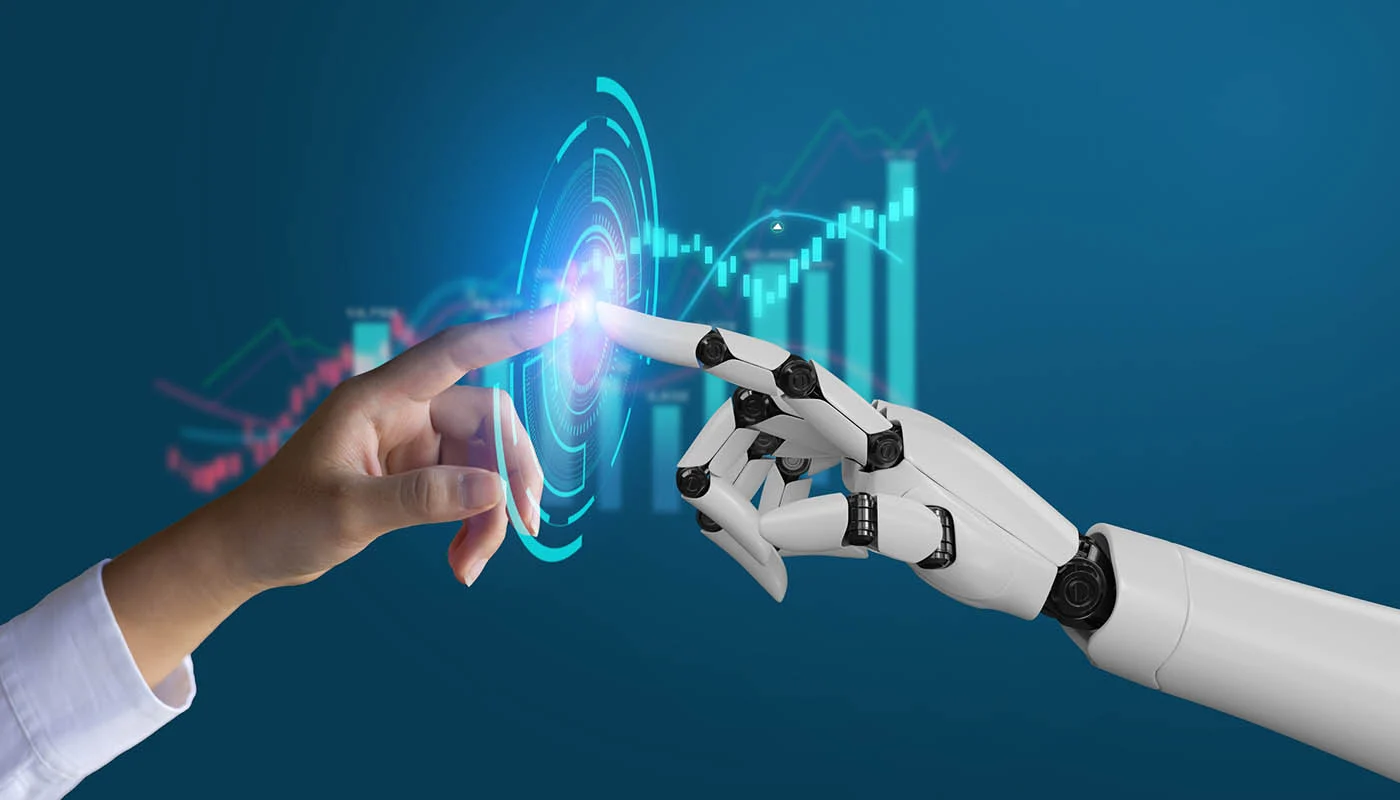
Artificial intelligence and machine learning have rapidly moved from experimental tools to central components of workforce management, particularly as organizations adapt to hybrid and remote work structures. Research from IDC projects that by 2024, 80% of Global 2000 companies will employ AI/ML-enabled “Digital Managers” to hire, fire, and train workers in roles measured by continuous improvement. Yet, IDC warns that only one in five will extract meaningful value without active human engagement.

The pandemic accelerated the shift toward distributed workforces, compelling enterprises to develop new methods for leadership and organization. IDC’s April 2021 Future Enterprise Resiliency and Spending Survey found that 41% of companies view managing remote and hybrid teams as a critical skill to acquire or cultivate internally.
AI-driven management systems now handle tasks from resume scanning to daily performance evaluation, training recommendations, and workforce sizing for shift-based operations. Amy Loomis, IDC’s research director for the worldwide Future of Work service, noted, “Algorithms are often used to stack-rank employees offering recommendations on who would be best fit to hire or targeted to fire.” Stack-ranking applies statistical comparisons of employee performance, potentially prompting training interventions or, in some cases, terminations for those falling below defined thresholds.
Amazon has faced scrutiny over its use of algorithmic management. Media reports alleged that software “bots” were responsible for firing millions without human oversight. Kelly Nantel, an Amazon spokesperson, clarified that most terminations result from job abandonment, not performance issues, and emphasized that their systems are designed to support managers rather than replace them. “There’s a distinct difference between a personnel management system flagging someone who has abandoned their jobs… versus our performance systems that help give feedback to our managers,” Nantel said.
Shannon Kalvar, IDC’s research manager for IT Service Management and Client Virtualization, observed that while companies may not rely entirely on bots to terminate staff, AI/ML recommendations heavily influence decisions. “We are human beings who are overworked and over stressed. What is the likelihood you’re going to disagree with a suggestion when it comes through — especially if you’re remote managing somebody?” Kalvar remarked.
Before the pandemic, digital management tools were prevalent in task-oriented sectors such as trucking, retail, and gig-based delivery. Amazon’s Flex program, launched in 2015, exemplifies this model, using contract drivers monitored by algorithms tracking routes and delivery times.
Europe’s regulatory bodies are considering rules to increase transparency in algorithmic management. One persistent challenge is the fragmented nature of these systems—some embedded in ERP platforms, others standalone—with limited interoperability. Amazon encountered integration failures between its time and attendance tracking and employee leave systems, occasionally resulting in erroneous job abandonment notices to employees on approved leave. Nantel acknowledged, “We certainly have found some situations where our technology and our systems haven’t kept pace.”
Market forecasts underscore the momentum behind AI adoption. IDC predicts the global AI market, encompassing software, hardware, and services, will grow from $327.5 billion in 2021 to $554.3 billion in 2024, with a 17.5% compound annual growth rate. Forrester Research offers a more conservative estimate, citing the prevalence of embedded AI functions in existing software rather than standalone monetized applications.
Kalvar stresses that leaders managing dispersed teams must develop new mental models for productivity and oversight. Autocratic, industrial-era approaches fail to foster community or investment among employees. Without human intervention, resume-scanning algorithms can exclude qualified candidates due to rigid criteria, such as requiring a college degree in regions with low attainment. “There may be 30% of the population who could be considered… but you’re not going to see them,” Kalvar said, warning of perceived talent shortages.
Some organizations are adapting. SoftBank, for instance, manually reviews resumes rejected by AI to avoid missing promising candidates. “Honestly, there aren’t any best practices yet. I’d argue figuring this out is the big challenge for humans who manage,” Kalvar stated. The stakes are high: those who integrate human oversight with AI tools may build loyal, engaged teams, while those who neglect it risk short-lived gains.