Vulcan Centaur Stays on Track as New Glenn Faces Delay
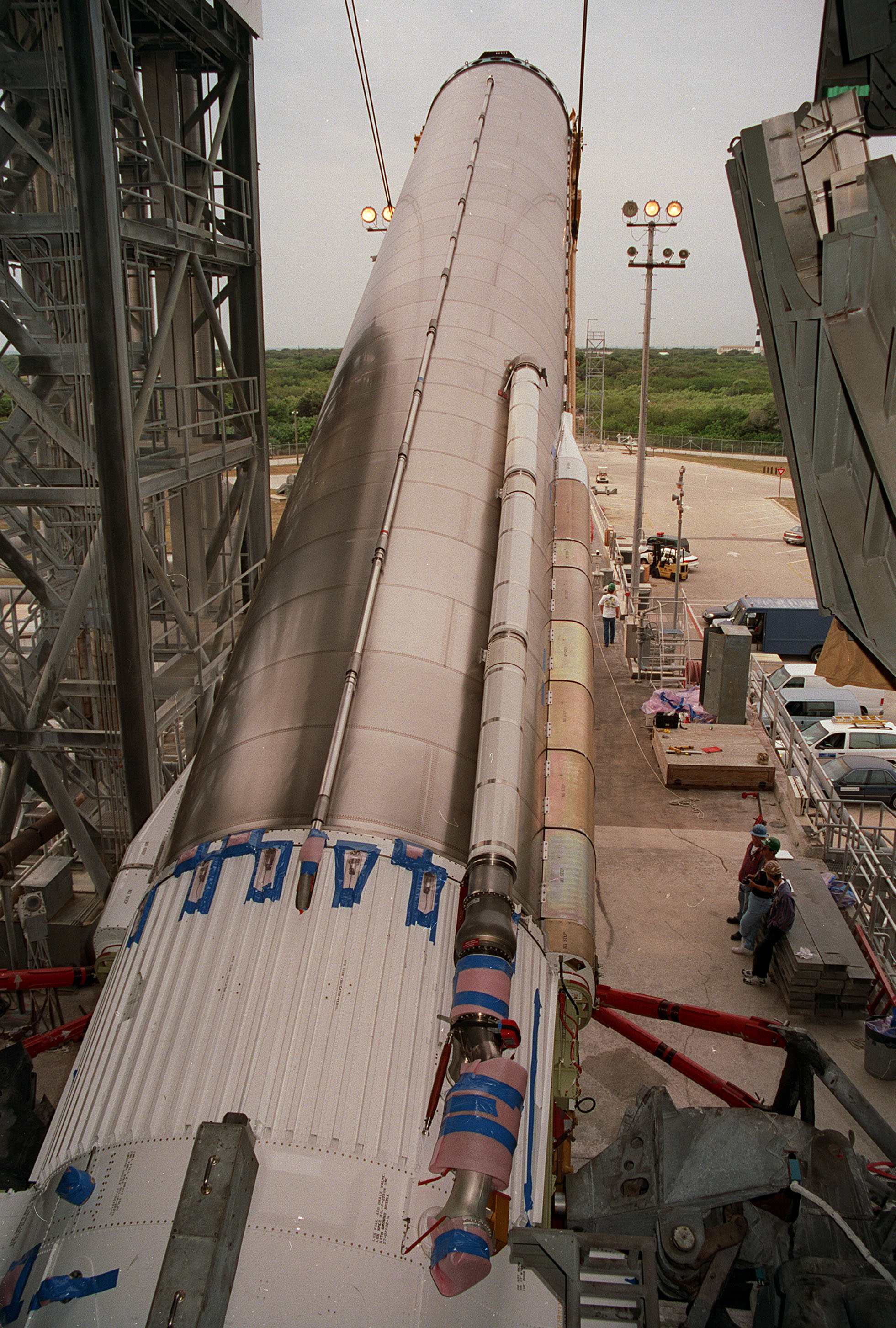
United Launch Alliance is holding to its plan for a 2022 debut of the Vulcan Centaur, even as Blue Origin’s New Glenn shifts its maiden flight to a later date. Speaking at the Satellite 2022 conference on March 22, ULA chief executive Tory Bruno reaffirmed that the company expects Vulcan’s first launch “later this year,” though he declined to provide a more specific target.

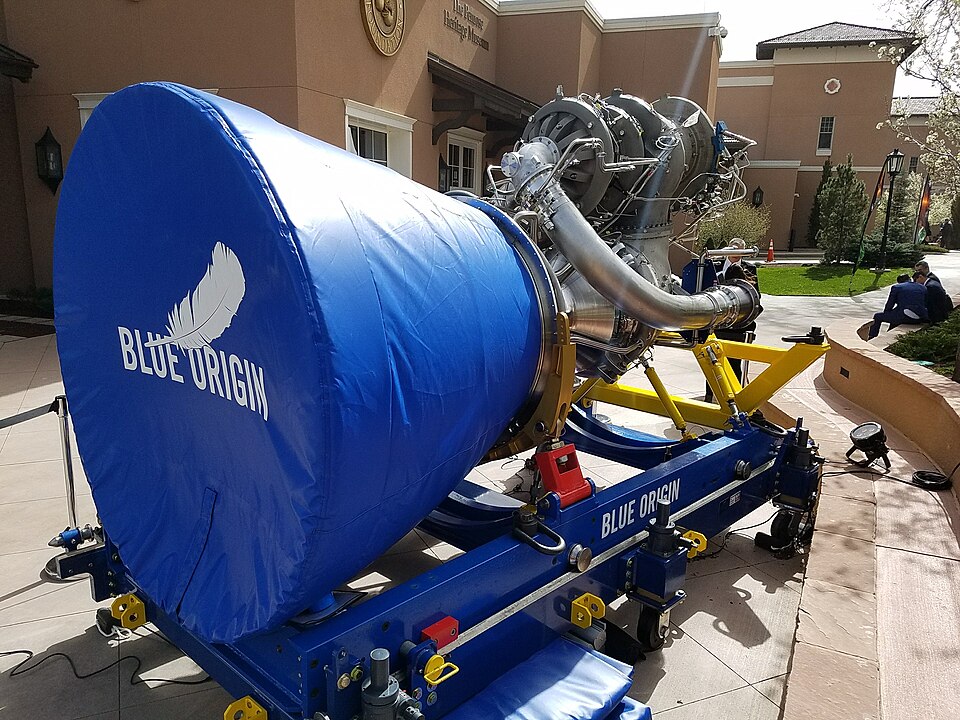
The primary pacing item for Vulcan remains the BE-4 engine, developed by Blue Origin to power the rocket’s first stage. Bruno reported that the engine’s performance has exceeded his expectations. “The engine is in great shape,” he said. “It is performing better than I anticipated.” He projected that ULA would receive the first two flight-ready BE-4 units by midyear, a timeline that would “support me flying before the end of the year.”
Testing of the BE-4 has intensified, with engines fired three times a week at Blue Origin’s facilities. Bruno characterized the current campaign as “pre-qual” testing. “We like to pathfind, so pre-qual does all of that and then more, so that we’re sure it’s going to go smooth” when formal qualification begins. “Pre-qual has been going great,” he added, noting that this approach is intended to mitigate surprises during later stages.
From Blue Origin’s side, Jarrett Jones, senior vice president for New Glenn, confirmed the depth of BE-4 testing to date. “We’ve proven it out. We’ve done the gimbaling test for ULA,” he said, citing more than 18,000 seconds—about five hours—of accumulated hot-fire time. “We’re right where we need to be.”
Bruno also dismissed any prospect of switching Vulcan to Aerojet Rocketdyne’s AR1 engine, which uses kerosene rather than methane. “You design your stage and your engine together as a pair. Vulcan is done being designed and it’s being built,” he said. “The BE-4 is nearly complete. It’s running beautifully. I have no interest in changing my partner at this point.”
While Vulcan’s schedule remains intact, Jones acknowledged that New Glenn will not fly in 2022. “The runway is closing on 2022,” he said. The company is working with customers to set a new launch date, but he emphasized that it was too early to make that public. “It will not be at the end of this year,” he confirmed.
New Glenn has completed its design reviews and is now undergoing qualification testing of major components, including the booster, forward structure, and payload fairing. The fairing is currently at NASA’s Armstrong Test Facility in Ohio, formerly Plum Brook Station, for environmental and acoustic testing. “Basically, we are well into qualification of our vehicle, both the upper and the booster stages,” Jones said.
The dual demands of completing BE-4 development and advancing New Glenn have required Blue Origin to balance resources. The BE-4 is central to both programs, and its readiness directly affects each vehicle’s timeline. Bruno, noting the shared dependency, remarked to Jones, “It’s fair to say you’re focusing on your most important customer, delivering BE-4s so I can fly this year.”
The BE-4 represents a significant shift in U.S. launch propulsion, being the first large liquid oxygen/liquefied natural gas engine to power an orbital-class rocket. Methane offers cleaner combustion than kerosene, reducing coking in engine components and potentially simplifying refurbishment for reuse. For Vulcan, the engine is paired with a Centaur upper stage powered by RL10C engines, a combination designed to serve both national security and commercial missions.
New Glenn, with its reusable first stage and expansive payload fairing, is aimed at heavy-lift missions to low Earth orbit and beyond. Its design reflects Blue Origin’s long-term vision for high-cadence, large-payload operations. However, the program’s reliance on the BE-4 underscores the interdependence between the two companies’ timelines.
As both rockets progress through testing, the BE-4’s final qualification and delivery will be the decisive factor in determining when each vehicle reaches the pad.