Advances in 3D Printing of Polyurethanes
Polyurethanes have long been recognized for their exceptional versatility, offering precise control over structure–property relationships that enable tailored performance across a wide spectrum of applications. Their appeal lies in a combination of chemical resilience, mechanical strength, thermomechanical stability, and favorable biological and physical characteristics. These attributes have positioned polyurethanes as materials of choice in sectors ranging from aerospace components to medical devices. Yet, traditional manufacturing methods—typically reliant on molds, elevated temperatures, or solvent-based processing—restrict the complexity of achievable geometries, limiting innovation in design.

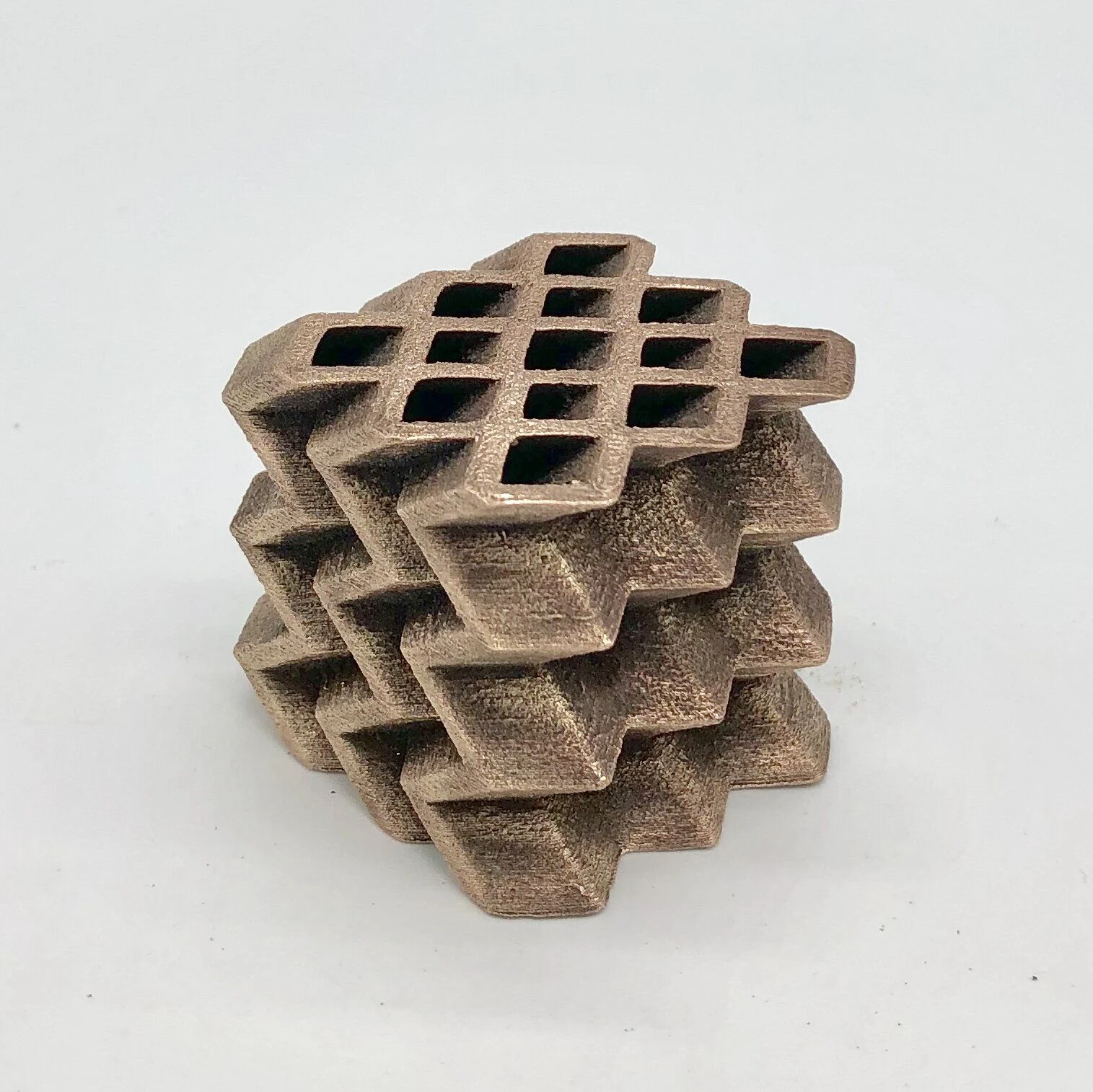
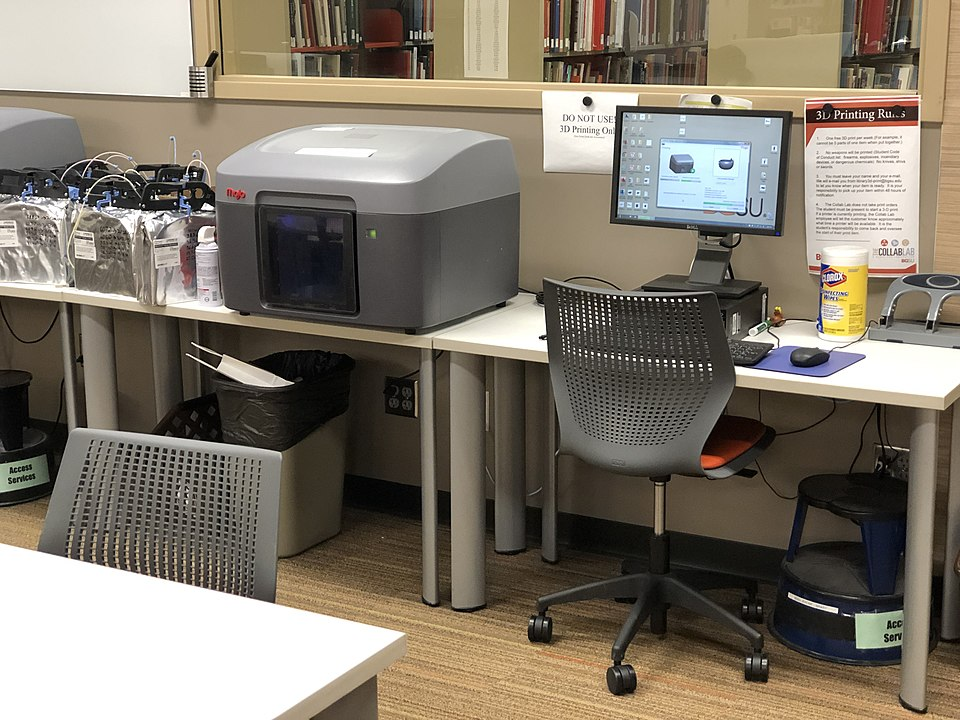
The emergence of additive manufacturing has reshaped this landscape. By building components layer-by-layer directly from digital models, 3D printing bypasses many constraints inherent to conventional fabrication. For polyurethanes, this shift has enabled intricate geometries, enhanced design freedom, reduced material waste, and in some cases, improved performance characteristics. Recent research has focused on integrating polyurethanes into three primary additive manufacturing modalities: vat photopolymerization, direct ink write, and fused filament fabrication.
Vat photopolymerization leverages light-induced curing of liquid resins to produce high-resolution parts. In the context of polyurethanes, this method has benefited from advances in photoreactive chemistries that maintain the desirable mechanical and thermal properties of the polymer while enabling fine feature definition. Researchers have explored novel oligomer formulations and photoinitiator systems that allow rapid curing without compromising toughness or elasticity. This approach has proven particularly valuable for applications demanding precision, such as microfluidic devices or lightweight aerospace components with complex internal structures.
Direct ink write (DIW) offers a different pathway, extruding viscous polyurethane-based inks through a nozzle to create custom geometries. The technique’s strength lies in its ability to process highly viscous or even reactive mixtures, enabling the incorporation of fillers, reinforcements, or functional additives directly into the printed structure. For example, DIW has facilitated the creation of energy-absorbing lattices for protective gear, as well as flexible joints in robotic assemblies. Control over rheology and curing kinetics is critical here, with recent work focusing on balancing printability with the retention of desired mechanical performance.
Fused filament fabrication (FFF) adapts thermoplastic polyurethane (TPU) into filament form, which is then melted and deposited in successive layers. TPU’s combination of elasticity, abrasion resistance, and durability makes it well-suited for FFF, particularly in prototyping and functional parts for drones, automotive interiors, and wearable devices. Advances in filament formulation have improved consistency, reduced warping, and expanded the range of achievable hardness levels. These developments have opened opportunities for hybrid structures combining rigid and flexible elements within a single print.
Beyond the technical modalities, the integration of polyurethanes into additive manufacturing has spurred innovation in part functionality. Multi-material printing, gradient compositions, and embedded sensing capabilities are becoming increasingly feasible. By exploiting the tunable chemistry of polyurethanes, designers can create components that transition from rigid to flexible zones, or that incorporate responsive elements for adaptive performance.
Timothy E. Long emphasized the transformative potential of this convergence, stating, “Additive manufacturing of polyurethanes enables unprecedented control over geometry and properties, unlocking applications that were previously unattainable.” This sentiment reflects a broader trend toward materials-driven design, where the capabilities of the polymer are as integral to the final product as the manufacturing method itself.
In aerospace, the ability to fabricate lightweight, complex structures from polyurethanes offers pathways to reduce fuel consumption and enhance performance. In robotics, flexible yet durable polyurethane parts can improve mobility and resilience. Automotive applications benefit from the material’s vibration damping and wear resistance, while consumer products gain from its comfort and aesthetic adaptability.
The convergence of additive manufacturing and polyurethane chemistry is still in its early stages, but the trajectory is clear. As processing techniques mature and formulations become more specialized, the boundaries of what can be designed and manufactured will continue to expand, bringing new possibilities to engineers, designers, and innovators across multiple industries.