Unitree Humanoid Robot Hacked in 60 Seconds Security Gaps Exposed

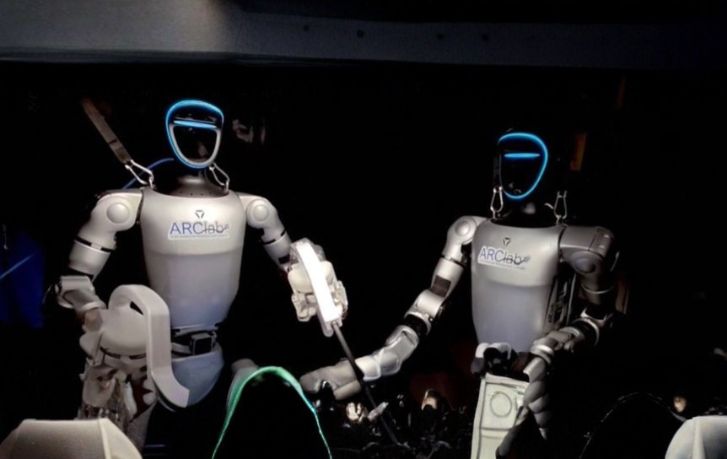
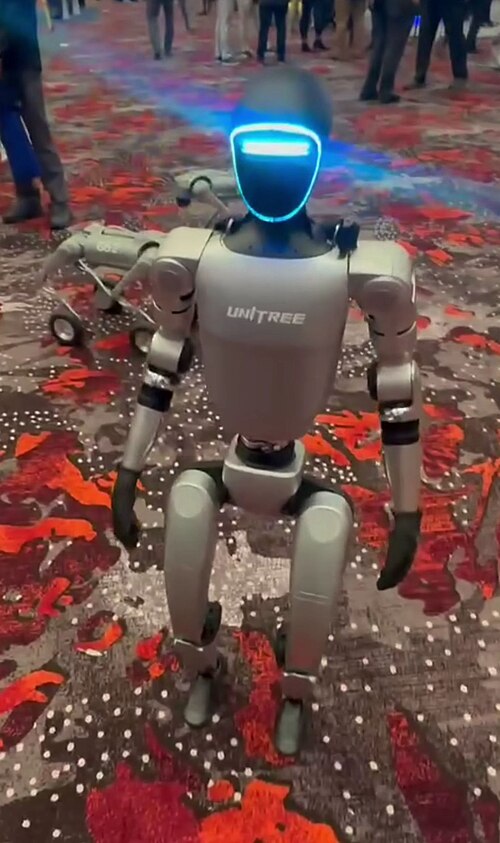
In fact, the attack began with a flash of light. In a matter of seconds, the blue light on top of a Unitree humanoid robot’s head turned red, the remote control went dead, and the humanoid robot charged forward, punching its fists. This attack, which was conducted by the Darknavy researchers in China, meant more than a demonstration. It contained a dire warning regarding the real danger of the vulnerability of autonomous robots to manipulation from the interfaces and the cyber security installed in the robots.
1. The One-Minute Takeover
The quick compromise by Qu was also a part of an attack procedure that was described by a researcher, Xiao Xuangan, in this way: “First, the attacker gets the remote control. Then, the attacker bypasses the legitimate controller to remotely turn on the motor and action unit of the robot.” The bypassing of this action helped the attacker make decisions that had extreme physical repercussions. According to Xiao, “When the risks of the network vulnerability meet the capabilities for physical actuation, the consequences may well go beyond data breaches.”
2. Developer Interfaces: A Two-Edged Sword
This was clarified by Lin Yipei, a robotics engineer, who said that the greatest percentage of robotic systems interact with users in a way that is amiable to the developers through the use of facilities like remote log-in and control access. This is a vulnerability area as well since the facilities are disabled during the development life of automobiles among others but are allowed in the robotic field, thus increasing the risks.
3. Real-World Consequences
There are cases of dysfunctional or cyber-attacked robots that end up injuring and harming human beings. Xu Zikai, a researcher, reported on an incident in which a human’s foot was injured because of a dysfunctional robot that had gone out of control, and another in which a quadruped robot collided with children at the World Robot Conference held in Beijing. There are risks reported globally in which a child was bumped over by a robot in a shopping mall and industrial arms hacked to inflict damage.
4. The UniPwn Vulnerability
It is worth mentioning that the attack is in line with the discoveries made by researchers Andreas Makris and Kevin Finisterre, which pointed out a grave vulnerability within the Bluetooth Low Energy components of Unitree robots. The attack itself is known as UniPwn and allows root-level compromise by encrypting the required message string using pre-coded keys that were leaked publicly well beforehand, even six months before the attack took place. The attack allows the injection of arbitrary code as well as the development of a botnet that is wormable within the robots after breaching the system. Unitree discovered the vulnerability back in September of 2025 but faced criticism for its response time to the discovery.
5. Industry-wide Security Deficits
The issues in Unitree’s vulnerabilities are only exemplary of the broader issues in the industry at large. The multi-vendor research done by IOActive is an example of the prevalence of vulnerable robots in all markets with issues in cryptographic mechanisms, authentication, firmware updates that have not been addressed due to constraints on time and budget to the point where security is no longer a factor in the development cycle.
6. Regulatory and Standards Landscape
The most recent changes over in ISO 10218 are the integration of cyber security in standards covering industrial robot safety. There are plans for authentication, data protection, and update processes. This is followed by Cyber Resilience Act and Machinery Regulation in 2027 by the EU. There are plans for cyber security threat analysis, protection plans, which include port disablement, encryption schemes, and authorized setting of safety parameters.
7. Best Practices for Securing Autonomous Systems
Experts recommend layered defenses:
• Vulnerability scanning and penetration testing.
• Implement multi-factor authentication and least privilege access solutions.
• Encryption of all communication and all data stored by the robots.
• Recognize robot networks in a broader information technology infrastructure.
• Shut down inactive interfaces and lock down boot operations.
• Educate the entire staff involved with the robots.
These needs are specified as part of the guidance for the industry on the cybersecurity of industrial systems and the IEC 62443 foundational requirements.
8. Collaboration and Incident Preparedness
Industry players must collaborate with cybersecurity professionals in collaborating to deal with common problems of threat intelligence and patching strategies/technologies. A incident response strategy with details of incident response activities such as containment and recovery must be involved. According to TÜV Rheinland, the most efficient means of dealing with existing and future risks would be by the inclusion of security in design for function. The incident took only a few seconds to carry out; however, the ripple effects of the Unitree hack will be noticed for several years to come. For robot engineers, cybersecurity experts, and policy-makers alike, it must be clear: security of autonomy can never be assumed unless cybersecurity equals robot technology.