Xpeng P7 Tops World’s Largest Winter EV Test in Inner Mongolia
It doesn’t happen every day when car reviews break the Guinness World Record, writes the author, but when 67 electric autos are rounded up and thrown into the frozen outback of Inner Mongolia, it’s about much more than stinging fingers it’s the largest winter electric automobile field tests ever. While the Test Drive on Ev Autos looked like an advertisement campaign by the company ‘Autohome’ in the report, it was actually a full-spectrum stress test, where the vehicles faced tests in sub-zero temperatures ranging from 14°F to -13°F through seven challenging tests: range, energy, fast-charging, Heating the Interior, Automatic Emergency Braking System, Accelerating, and off-road.

The lineup represented the diversity of the market in China, ranging from sub-$9,000 hatchbacks to luxury SUVs that cost more than $275,000. The Xpeng P7 electric car emerged as the best in the lineup for its ability to conserve 53.9% of its range when faced with cold-weather conditions. The BYD Yangwang U7 came second by conserving 51.8% of its range, while the Zeekr 001 came third by conserving 49.6%. The Tesla Model Y electric car, which is the best-selling electric car worldwide, came 31st by conserving just 35.2% of its range.
The Li Auto i8 electric car emerged with the worst results by conserving just 34.8% of its range.
Xpeng’s performance was no isolated incident. The P7’s accelerative ability has been developed from extensive cold-weather validation work, 120 days of which was carried out in freezing conditions in Heihe, China, in Prismatic battery cells that were carefully maintained in their optimal temperature range by Xpeng’s own thermal management system, MAHLE air-conditioning components, Bosch water pumps, and Continental valves in the AWD version’s dynamic torque vectoring system that adjusted output every 0.3 seconds.
Efficiency testing, however, had a different story to tell, with small and lightweight EVs being more efficient. The BYD Seagull was the most efficient with a score of 23.5 kWh per 100 km, followed closely by the Geely Xingyuan and the BYD Seal 06. The bigger SUV models, however, were not as efficient, with the Xiaomi YY7 and the Tesla Model Y recording 33.7 and 34.9 kWh, respectively. These values correspond with the AAA’s observation that EV’s range is reduced by as much as 41% at 20°F when cabin heating is used.
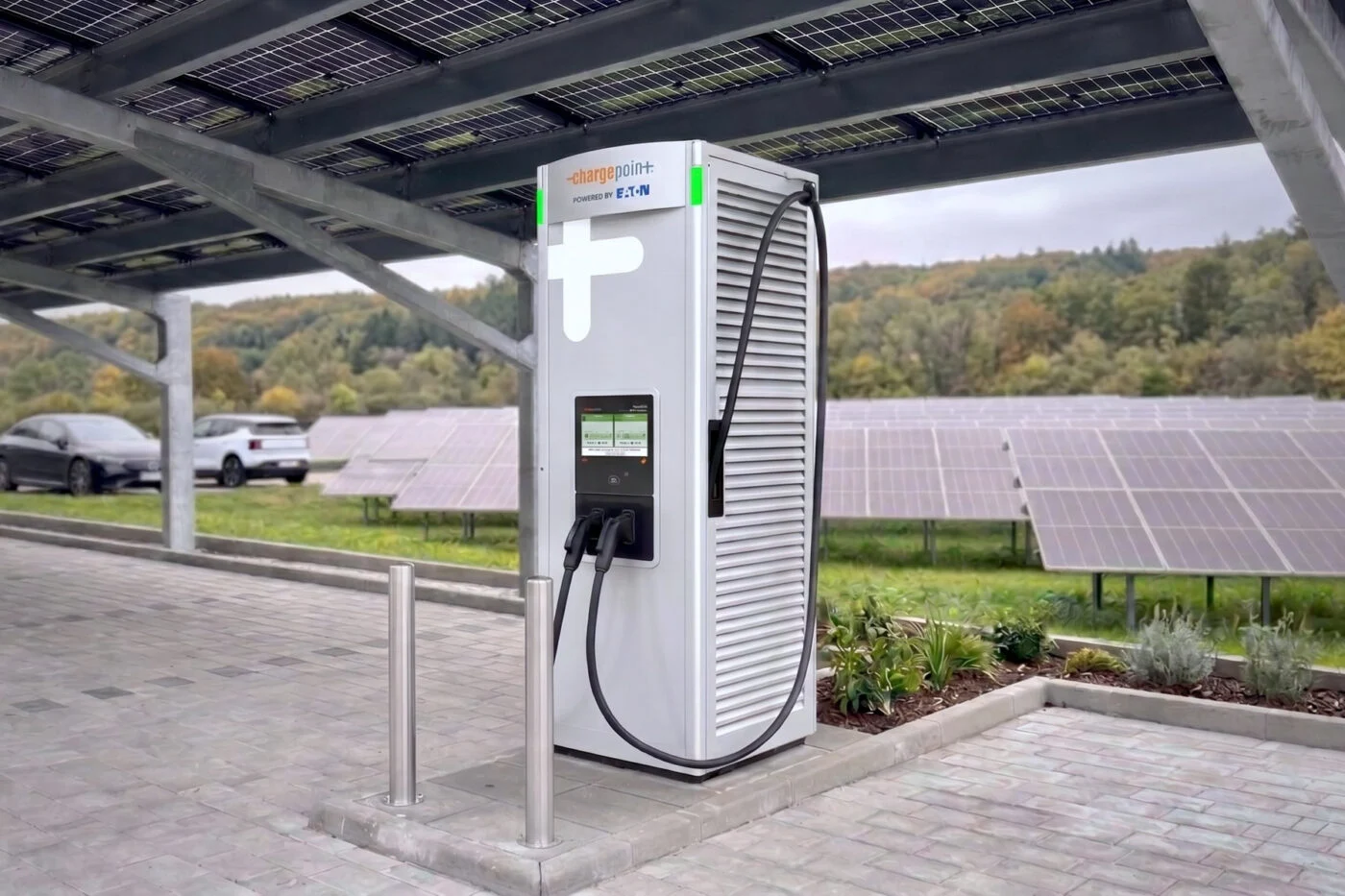
Fast-charging time at sub-zero temperatures was the third key criterion. The Avatr 06 astonishingly took only 15 minutes to charge the battery from 30% to 80%, thereby beating the competition, including the Nevo 06 and Fulwin A9L. In comparison, the Xiaomi YU7 took 31 minutes, while the Tesla Model Y took a longer 35 minutes. Low temperatures reduce the mobility of lithium ions. Researchers at the University of Michigan have developed methods to increase the charging speed by 500% in just 14°F by utilizing 3D electrode structures and lithium borate and carbonate surfaces. Such technology can completely reset the rules of charging at sub-zero temperatures.
For engineers, the Inner Mongolia data is like a gold mine. It is clear that cold climate range retention is more than battery capacity and must involve comprehensive heat management systems. The P7’s active heating approach, also with the ability to precondition, is the same approach advocated by Consumer Reports to heat the cabin and battery while plugged into the charging source, proven to improve efficiency by up to 7% or increase the range by double digits in freezing temperatures.
The test again confirmed that light EVs are inherently more efficient in winter, with lower weights and lower heating demand. This carries an advantage in the charging process, with smaller batteries warming up faster and being able to receive a higher current sooner. SUVs, being heavier, not only have a higher energy consumption per mile but also take longer to achieve the desirable temperature in charging. The Autohome-sponsored trial, officially recognized by the Guinness organization, was never intended to highlight the “best” EV among a group, but to assess comparatively the way in which a now-contemporary electric propulsion system handles the chemical and physical realities posed in sub-zero temperatures. From the perspective of the Chinese EV market, the trial proved indigenous models to be surging ahead of their global competitors in key winter performance. From a research perspective, the result validated research lab results on battery materials and the complex relationship between EV architecture and low temperatures.