LEO Breakup Puts Upper-Stage Disposal and Debris Tracking Back in Focus
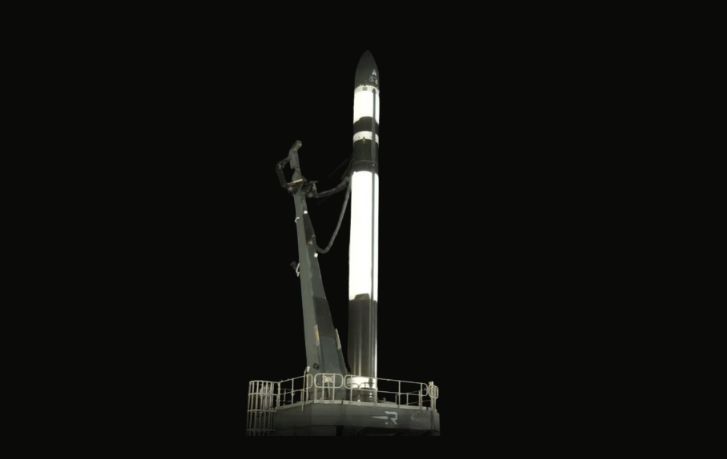
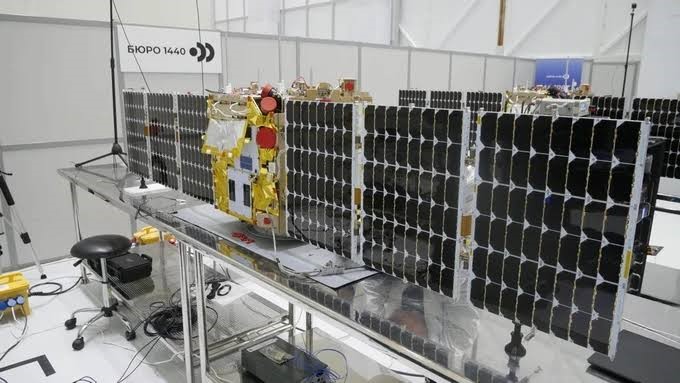
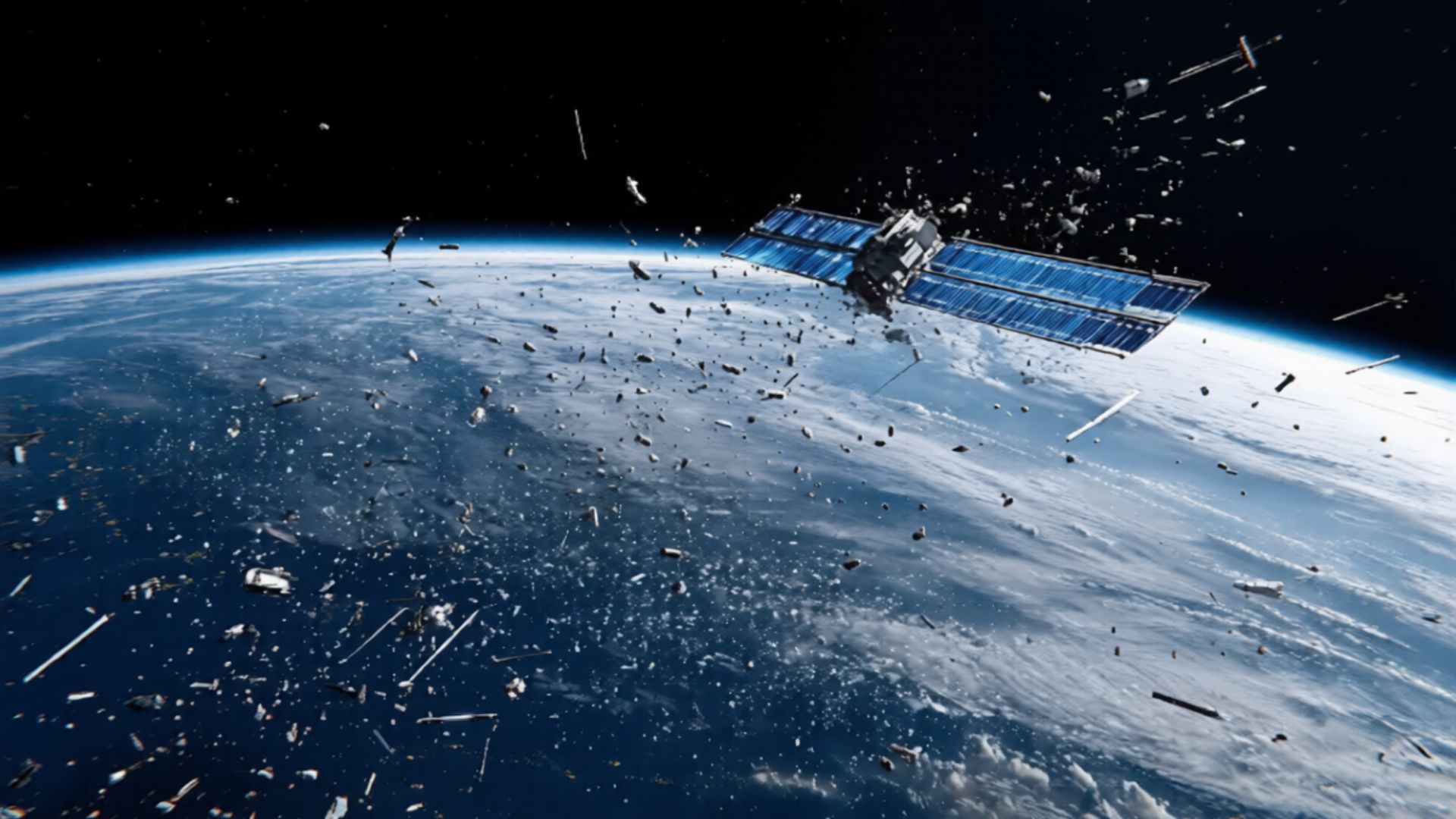
Chinese upper stage of the launch vehicle has broken up in low Earth orbit soon after launching into orbit on the June 9 Zhuque-2E mission, creating debris in an active orbital band. The upper stage, carrying two communications satellites destined for direct-to-cell service, was developed by LandSpace. The U.S. Space Force informed about the break-up through the notice posted on space-track.org, adding that new debris is already included in conjunction analysis as there were no threats to manned spaceflight and analysis was ongoing.

So why is this relevant? Because of the place where the event happened. The upper stage was in an orbit ranging from 335 kilometers to 424 kilometers altitude, an orbit which crosses the path of the International Space Station and certain parts of SpaceX Starlink constellation. The band is densely populated with operational satellites, abandoned spacecraft parts and tracked space debris. Practically speaking, any fragmentation in this orbit adds to the workload of operators and increases the number of conjunctions to calculate, monitor, and sometimes dodge.
This is what makes the upper stage disposal issue far from administrative paperwork at the end of the mission. Nowadays, as far as debris mitigation practices go, the upper stage post-launch disposal has to be conducted according to the disposal plan that requires passivation. It includes the elimination of energy sources, such as leftover propellant or gas, which eventually can cause explosion. According to the U.S. regulations, the upper stage is one of the major debris generators due to its mass and possibility of fragmentation in orbit. After completing the mission, the upper stage becomes an inactive object in a congested orbit.
LandSpace upper stage was supposed to conduct a controlled disposal burn, but fragmented in orbit instead. Orbital monitoring specialists estimate that the break-up led to generation of around 100 to 150 debris objects, though they had not been catalogued yet at the time of the event. This is important because the tracking and cataloguing are not immediate processes and the conjunction analysis should account for uncertainties until the object set is defined.
For U.S.-related operators, this is the operational reality of the debris break-up in low Earth orbit. New debris cloud does not remain on the map; it should be included in the daily avoidance operations. Active satellites may need re-assessment of the risks, and avoidance maneuver takes time, consumes fuel and reduces mission margin. Passivation and disposal of the upper stages, such as controlled re-entry into the atmosphere, or other methods of removing them from the congested orbit, are emphasized in the FAA orbital debris rule-making framework.
However, there is a mitigating factor in this particular case the altitude. According to NASA Orbital Debris Program Office, the debris in lower orbits is more vulnerable to atmospheric drag which reduces their orbital life span. Same physics helps in this case; smaller fragments will de-orbit faster than those left in much higher low Earth orbit. But this does not reduce the immediate risk picture; it simply means that this is not the most dangerous debris environment in terms of sustainability. The fragmentation at higher altitude leaves hazardous debris in orbit for decades.
But low altitude does not mean low consequences. NASA mentions that orbital debris in low Earth orbit travels at speed of about 7 to 8 kilometers per second, and collision speeds are even higher. In the heavily populated band with broadband satellites, direct-to-device systems, station traffic and launch activities, even temporary increase in debris density creates additional load for the tracking system and satellite fleet operators in order to preserve schedule, fuel and lifespan of their vehicles.
The general issue is the trend line, not just this single case. As Darren McKnight, senior technical fellow of LeoLabs mentioned, three out of top four debris break-ups in low Earth orbit belong to China, including two rocket body explosions in the last four years. Though this particular event may have other causes and Space Force stated that the analysis is ongoing, this is yet another reminder of the obvious industry-wide fact: the decisions made during the design and fabrication of the upper stage, its passivation and disposal impact the safety margin of all other space actors in the same orbital bands.
With the increased population of low Earth orbit by large constellations and various layers of space services, the problem of orbital safety is no longer about flashy headlines of launches, but the mundane end-of-mission profile. The test of space actors’ ability is if they manage to dispose of the upper stages in orbit safely and predictably, not creating extra work for others.
David Whitaker – Associate editor for AMI’s aerospace and drone systems desk, covering flight systems, aircraft programs, space flight, and UAV development.