Invariant Wins $200M Marine Corps Counter-Drone Contract
Invariant Corporation has secured a $200 million contract from the U.S. Marine Corps Systems Command to develop an advanced Counter-Unmanned Aerial System Engagement System, or CES. The award, structured as a firm-fixed-price, cost-plus-fixed-fee, indefinite-delivery/indefinite-quantity agreement, represents the largest in the Huntsville-based company’s history. The program will run through October 2029, with a base period and four additional ordering periods.

The CES is designed to integrate directly with the Marine Air Defense Integrated System (MADIS) architecture and will be mounted on a Joint Light Tactical Vehicle (JLTV) trailer. This configuration provides a mobile, rapidly deployable platform capable of defending against Group 2 and Group 3 unmanned aerial systems. These threat categories typically encompass drones weighing between 21 and 1,320 pounds, operating at altitudes up to 18,000 feet, and often featuring advanced sensors or payloads.
Daniel Levis, Invariant’s Director of Technical Operations, emphasized the significance of the award, stating, “This contract represents a pivotal achievement in our company’s history and underscores our commitment to national defense. With over a decade of experience in C-UAS development, this award enables us to continue delivering advanced solutions tailored to meet emerging threats.”
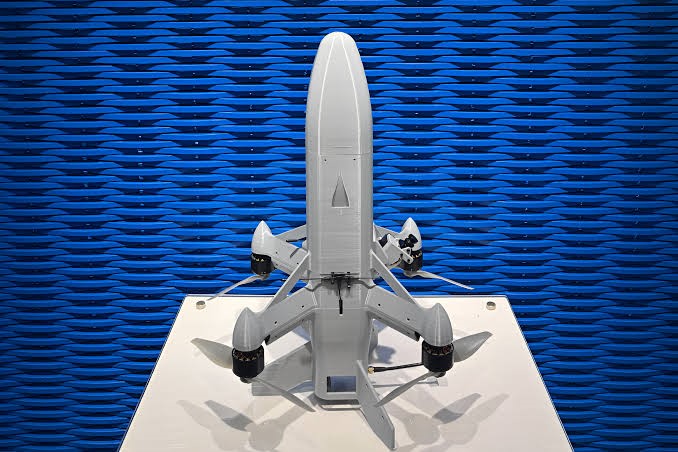
The CES will incorporate proprietary technologies developed in-house, notably the Multi-Use Launch Electronics (MULE) and the Optical Surveillance Infrared (OSIRIS) Imaging System. MULE is engineered to provide flexible, modular control over a variety of interceptors or effectors, allowing rapid adaptation to different mission profiles. OSIRIS offers high-resolution, multi-spectral imaging for detection, tracking, and identification of aerial targets under challenging environmental conditions, including low visibility and cluttered backgrounds.
Integration with MADIS ensures the CES will operate as part of a layered defense network, combining radar, electro-optical/infrared sensors, and electronic warfare systems to detect, classify, and neutralize aerial threats. The JLTV-based trailer mount adds tactical mobility, enabling units to reposition quickly in response to shifting operational demands or emerging threats.
Invariant plans to work with established industry partners to bring additional capabilities into the CES architecture. Such collaborations are expected to enhance sensor fusion, targeting accuracy, and engagement flexibility. In modern C-UAS operations, interoperability between subsystems is critical, as adversary drones increasingly employ swarming tactics, low radar cross-sections, and autonomous navigation to evade detection.
The Marine Corps’ decision to fund the program through its fiscal year 2024 research, development, test, and evaluation budget reflects the urgency of countering evolving unmanned threats. Initial funding has been obligated prior to the fiscal year’s close, ensuring work can proceed without delay. The IDIQ structure allows the Corps to scale procurement and upgrades over time, adapting to changes in threat profiles and technology.
Group 2 and Group 3 UAS threats have grown significantly in recent years, driven by the proliferation of commercially available platforms and the adaptation of military-grade systems by non-state actors. These drones can carry reconnaissance payloads, electronic warfare equipment, or even kinetic munitions, making them a versatile and persistent challenge on the modern battlefield. Countering them requires a combination of detection, tracking, and neutralization technologies that can operate across varied environments and threat densities.
By leveraging MULE and OSIRIS within a MADIS-integrated framework, the CES aims to deliver a responsive, modular, and upgradable solution. The system’s design reflects a broader shift in defense acquisition toward open architectures and rapid technology insertion, enabling faster adaptation to adversary innovations. The JLTV trailer platform further aligns with the Marine Corps’ expeditionary doctrine, supporting deployment in austere environments without sacrificing capability.
As the program advances toward fielding, the combination of proprietary technology, industry collaboration, and integration into existing defense networks positions the CES as a significant enhancement to Marine Corps counter-drone capabilities.