Lockheed’s New Patriot Missile Pushes Cost and Replenishment Lower
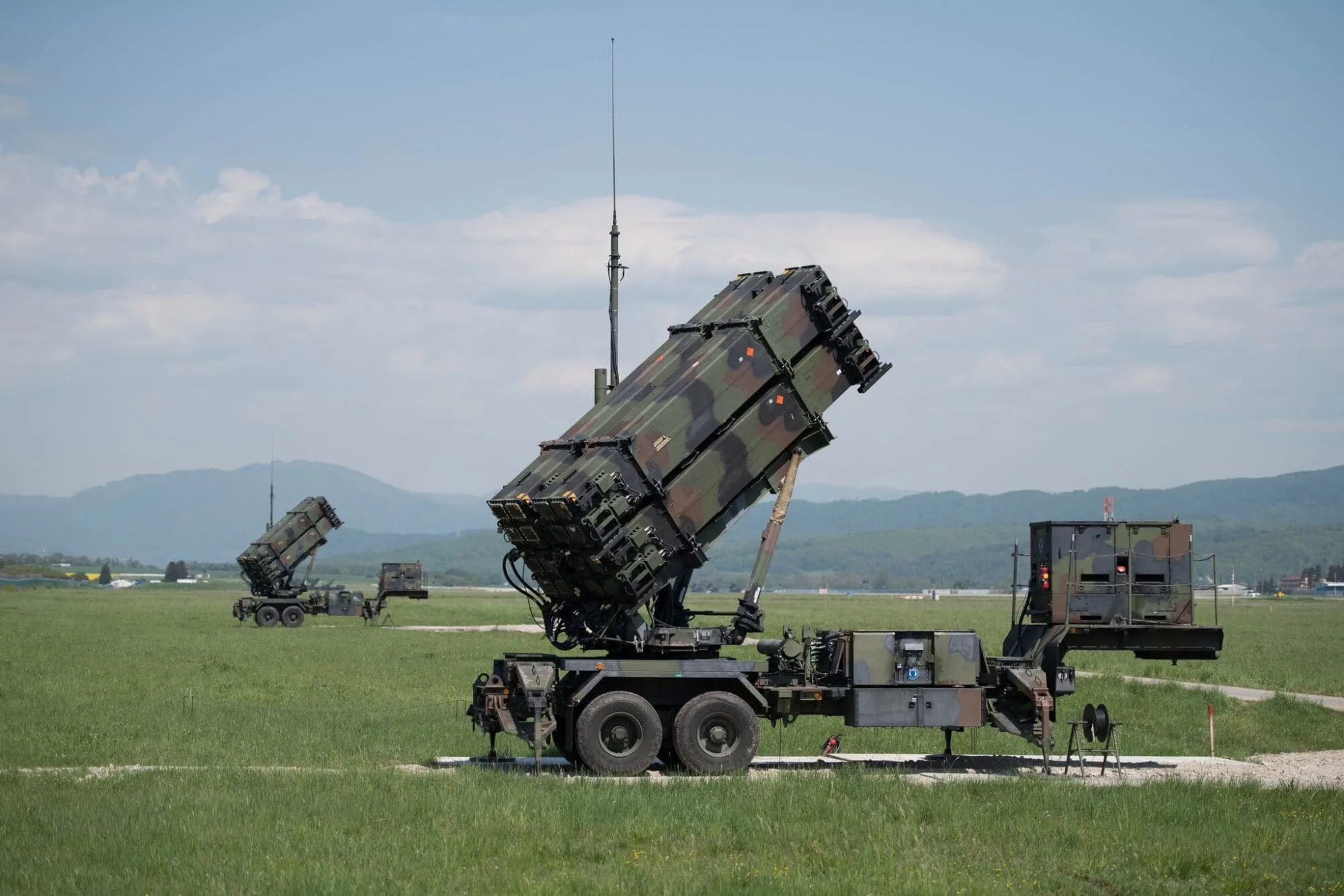
Lockheed Martin’s new PAC-3 Adapted Capability Effector is important for a reason that goes beyond one more interceptor entering a crowded defense catalog. The real shift is that Patriot-class procurement is moving toward a different engineering target: not just maximum performance, but faster build rates, lower unit cost, and easier replenishment for users already invested in the Patriot ecosystem.

Lockheed says the new interceptor will cost less than half as much as its PAC-3 Missile Segment Enhancement round and can be produced more quickly. That matters because recent Army budget documents put the PAC-3 MSE at more than $4 million per missile. Once an interceptor gets into that cost range, every design decision starts to carry industrial consequences. A missile is no longer just a weapon; it becomes a production-capacity problem, a supplier-base problem, and a magazine-depth problem.
The company has identified the PAC-3 Adapted Capability Effector as a lower-cost option for cruise missiles and close-range and short-range ballistic missiles. It has not disclosed how it expects the missile to perform against longer-range ballistic missile threats. That gap is worth noting because it helps explain the likely role of the new design: not as a universal replacement for the highest-end Patriot interceptors, but as a complementary round intended to preserve premium inventory for the most demanding targets.
That is where the procurement logic gets more interesting. The Army has already opened a competition for a lower-cost interceptor that remains compatible with existing Patriot launchers, with a target cost below $1 million per round. It is also allowing new designs for seekers, rocket motors, and other major components. In practical terms, that signals a willingness to revisit the expensive parts of the interceptor architecture rather than treating the current PAC-3 layout as fixed.
Compatibility with existing launchers is the key constraint. RTX makes the Patriot launcher system, and the Army does not appear to be looking for a clean-sheet air-defense architecture here. It wants a cheaper round that can plug into a fielded network. That is a classic U.S. military modernization pattern: preserve the installed base, change the effector, and avoid turning a missile shortage into a full system replacement program.
From an engineering and manufacturing perspective, that approach is rational. Army procurement official Brent Ingraham said PAC-3 was not originally designed from a manufacturability perspective and described it as including “hand-fabricated, hand-assembled pieces.” That is a revealing description. Hand-built content can be acceptable in lower-volume, premium systems, but it becomes a bottleneck when users want deliveries in months rather than years. It also limits how far a program can scale without adding cost, labor intensity, and qualification friction.
So the deeper story is not only about missile price. It is about redesigning around production flow. If a new interceptor can use less demanding component choices, simplify assembly, and still remain integrated with Patriot fire control and launcher infrastructure, it becomes easier to expand output across a broader supplier base. Lockheed has also said it plans to work with American and European industry partners, which points to another procurement priority: resilience through a wider manufacturing footprint rather than dependence on a narrow set of specialized sources.
That does not automatically make PAC-3 ACE the Army’s answer. The service’s own competition sets an aggressive sub-$1 million target, and Lockheed’s stated price point is less than half of MSE, not necessarily below that threshold. Those are different benchmarks. Even so, the company’s move aligns with the direction the Army is signaling. Buyers want something between a top-tier interceptor and the lowest-cost defensive layers, especially if it can be fielded without rewriting the rest of the Patriot enterprise.
Military officials have been clear that they need more low-cost and midrange defenses on shorter timelines. That demand is now shaping interceptor design in a very visible way. Instead of asking industry only for the most capable round possible, the requirement is shifting toward a more balanced equation of performance, manufacturability, and stockpile recovery speed.
For U.S. and allied Patriot users, that is the practical takeaway. The next phase of air-defense buying is increasingly about industrial engineering: which missiles can be built with fewer bottlenecks, loaded onto existing launchers, and delivered fast enough to keep inventories credible. Lockheed’s new Patriot-compatible interceptor is notable because it is aimed squarely at that problem, and that is where the real procurement pressure now sits.
By Robert McKinney — Editor-in-Chief for AMI’s automotive and mobility coverage, with a mechanical engineering background and a decade reporting on powertrain systems, EV innovation, and global vehicle manufacturing.