Air Force Seeks 1,509 Combat Jets as Purchases Trail Annual Goal
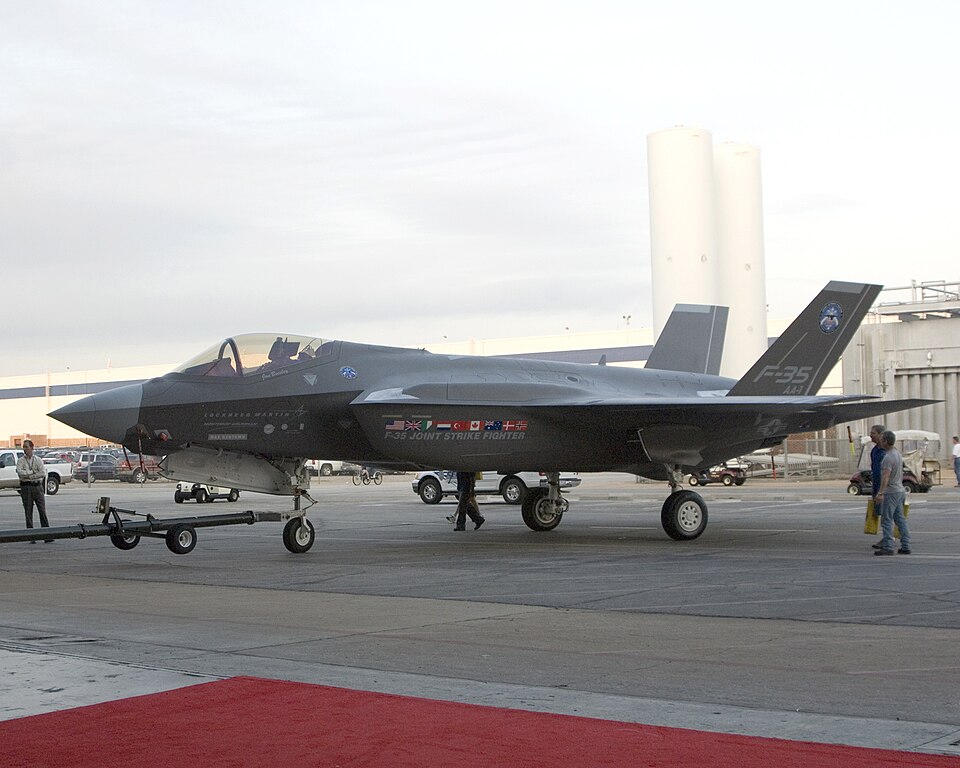
The U.S. Air Force has told Congress that its fighter fleets must grow to 1,509 combat-coded aircraft by 2035. Yet its fiscal 2027 request covers 62 new fighters, 10 short of the 72 aircraft per year that service officials have long described as the desired purchasing rate.
The gap does not mean the 2035 target is already unreachable. Procurement can rise in later years, and a one-year purchase total cannot establish the size of the eventual fleet. But the mismatch captures the central problem in the Air Force’s plan: its desired force depends on Congress supplying sustained funding and manufacturers delivering aircraft quickly enough while older jets approach retirement.
What the 1,509-aircraft target counts
The 1,509 figure comes from a force-structure report sent to Congress and reflects what the service says it needs for a “moderate risk” operating standard. That level assumes forces would probably accomplish assigned missions but could come under strain during prolonged operations. A low-risk force would require 1,723 combat-ready aircraft, according to details from the report described by Breaking Defense.
These are combat-coded aircraft assigned to combat units, including primary mission jets as well as backup and attrition-reserve aircraft. Congress has traditionally used a narrower primary-aircraft measurement, and the Air Force is seeking a change in how the fleet is counted. That accounting question has practical consequences because different categories of aircraft can receive different funding and readiness support.
Under the 2035 mix outlined by Lt. Gen. David Tabor, the Air Force’s deputy chief of staff for plans and programs, F-35s would represent roughly 40% of the fleet. F-22s and their F-47 replacements would account for about 20%, while F-15s and F-16s would divide the remaining 40% approximately evenly. A-10s are excluded from the 2035 plan.
The purchase plan starts below the stated pace
The fiscal 2027 request seeks 38 F-35s and 24 F-15EXs, for a total of 62 fighters. Of the money needed for those F-35s, $2.34 billion covering 14 aircraft depends on a separate reconciliation package. If that funding does not materialize, Tabor said the Air Force could move money from other programs or defer purchases into 2028.
That structure helps explain why Pentagon-budget critics see a gap between the fleet number and the bill supporting it. Even the requested 62-aircraft purchase is not funded entirely through the base budget, while the annual total remains below the stated 72-fighter goal. The Air Force is also modernizing other expensive aircraft and systems, so higher fighter purchases would have to compete for finite money rather than occur in isolation.
Production capacity is the second constraint. Lockheed Martin and Boeing would have to deliver new F-35s and F-15EXs while the Air Force introduces the F-47 and retires or replaces aging aircraft. Multiyear contracts sought for the F-35 and F-15EX could give suppliers a steadier demand signal, but those agreements remain subject to congressional approval. The service is also considering a newly built F-16 variant, although Tabor said that decision is not urgent.
Bombers and drones remain possible capacity options
The Air Force is examining more than conventional fighter purchases. Its report says the service is evaluating increased reliance on Collaborative Combat Aircraft uncrewed aircraft intended to work with crewed platforms and possible air-to-air capabilities for bombers. It plans to field 500 collaborative aircraft by 2032, but those systems are not included in the 1,509-fighter target and have not yet reduced that requirement.
The bomber idea remains exploratory rather than a defined acquisition program. The Air Force has previously raised the possibility of the B-21 performing broader missions, and the new report keeps bombers under consideration as an additional air-to-air asset. Publicly available details do not establish which bombers would receive such capabilities, how many would be involved or whether they would replace any planned fighters. For now, the concept is best understood as a hedge against a capacity gap, not a substitute already built into the 2035 total.
The Air Force has therefore put a specific number before Congress, but not a self-executing path to reach it. The next test is whether annual budgets move procurement toward the 72-fighter pace and whether industry can turn that funded demand into delivered aircraft before aging fleets leave service.
| More aerospace and engineering stories, right in your MSN feed. Follow AMI on MSN |
By David Whitaker — Associate editor for AMI’s aerospace and drone systems desk, translating flight systems, aircraft programs, spaceflight, and UAV developments into accessible technical stories.