Apparently Empty Avatr EV Attempted 868 Parking Maneuvers Overnight
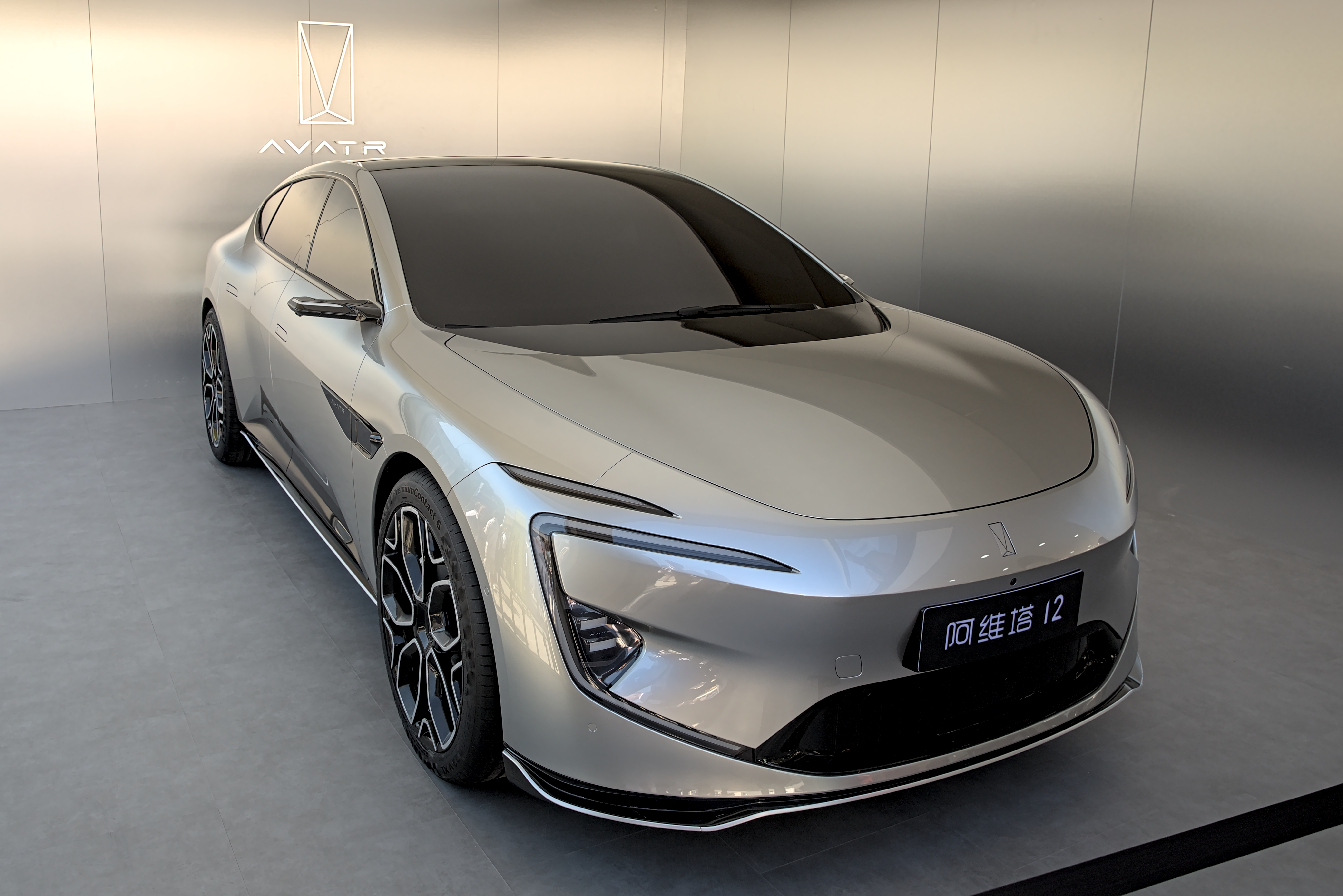
Security cameras in a parking structure in China’s Anhui Province recorded an apparently empty Avatr electric vehicle attempting to park 868 times overnight. The car repeatedly reversed toward marked spaces, moved forward and repositioned itself an extraordinary cycle for technology intended to simplify a routine, supervised task.

The immediate question is why. One leading theory connects the activity to a Huawei intelligent-driving competition that rewarded frequent use of parking-assistance features. That explanation remains unconfirmed, however, and the timing creates a substantial gap: Huawei only counted qualifying activity during specified daytime and evening hours, while the Avatr was reportedly maneuvering overnight.
A contest created an incentive to repeat parking
Huawei’s second Qiankun Intelligent Driving Open ran from October 31 through November 13, 2026. More than 190,000 owners registered, according to CarNewsChina’s account of the competition. Participants accumulated results across eight categories involving vehicles equipped with Huawei’s Qiankun driver-assistance technology.
One category, called “Parking Elite,” ranked drivers by successful uses of Automatic Parking Assist, Remote Parking Assist, Exit-and-Park Assist and parking-lot navigation assistance. The top 100 participants were eligible for Huawei points redeemable for in-app purchases and discounts. A separate, unverified claim from one driver described completing 1,000 parking sessions in a day.
That scoring structure provides a plausible motive for repeatedly leaving and re-entering a space. Separate reports also documented Avatr and Huajing vehicles equipped with Huawei’s Qiankun system performing similar repeated maneuvers. Some owners were reportedly trying to increase their parking counts, but no public vehicle log or owner explanation has established that contest activity caused the 868 attempts in Anhui.
The competition rules narrow the theory further. Qualifying assisted-parking events only counted between 6 a.m. and 10 p.m. each day. Attempts during the overnight period would not have earned additional points. Reports also do not establish when the Anhui event occurred, and the material circulated after the contest had ended. The contest may explain why drivers had an incentive to repeat parking, but it does not yet explain this particular car’s overnight operation.
The count does not necessarily mean 868 completed parks
The reported figure is best understood as 868 parking attempts or activations, not necessarily 868 successful parking jobs. An assisted-parking routine can begin, pause, reposition or terminate without producing a completed park. The available account does not provide the underlying system log needed to separate successful maneuvers from interrupted or repeated activations.
Several explanations therefore remain open. Someone could have repeatedly issued commands using a remote-parking function. Parking-space markings, lighting, obstacles or tight clearances could have caused the system to reposition or abandon maneuvers. A software problem is another possibility, but the security-camera record alone cannot identify one. Command history, completion status, fault codes and sensor data would be needed to distinguish deliberate repetition from a system struggling with its environment.
An empty driver’s seat does not make the car autonomous
Huawei’s Qiankun system is described as driver assistance, not autonomous driving. Remote and exit-and-park functions can move a vehicle after its occupant has stepped out, which explains how an empty driver’s seat can be consistent with intended operation. The person initiating the maneuver is still supposed to supervise the vehicle and remain ready to intervene.
That supervision requirement is the central engineering limit exposed by the episode. Automated parking can control low-speed steering, braking, acceleration and gear selection, but those capabilities do not transfer responsibility for monitoring the surroundings to the vehicle. Repeating the task hundreds of times in a shared structure also creates more opportunities for an assisted maneuver to encounter another vehicle, pedestrian, obstacle or changing clearance.
The unanswered issue is now in the vehicle data, not the parking count. A published log could show whether the Avatr received repeated remote commands, repeatedly failed to complete one maneuver or followed some other sequence. Until that record or an explanation from the owner or manufacturer emerges, the contest remains a possible incentive not a confirmed cause and the 868 attempts remain a striking demonstration of assistance operating far beyond an ordinary parking task while still requiring human supervision.
| More aerospace and engineering stories, right in your MSN feed. Follow AMI on MSN |
By Robert McKinney — Editor-in-Chief for AMI’s automotive and mobility coverage, with a mechanical engineering background and a decade reporting on powertrain systems, EV innovation, and global vehicle manufacturing.