From Hybrids to Hydrogen: A Decade of Shifts
December 1999 marked a pivotal moment in the U.S. automotive landscape with the arrival of the Honda Insight, the nation’s first hybrid vehicle. While the Toyota Prius had debuted in Japan in 1997, it would not reach American roads until 2000. In the 25 years since that milestone, hybrid technology has matured and expanded, yet adoption rates reveal stark regional disparities. Rajan Madan, an observer of energy and transportation trends, noted, “In these 25 years, share of hybrids has reached 10%: USA, EU: around 30%, Japan: around 60%.”

The U.S. trajectory has consistently lagged behind other major markets. Early delays in hybrid adoption have mirrored slower uptake of battery electric vehicles (BEVs) compared to China and Europe. Infrastructure limitations, policy hesitations, and entrenched consumer habits have all contributed to the gap. The consequences are tangible: higher gasoline consumption and elevated emissions relative to peers.
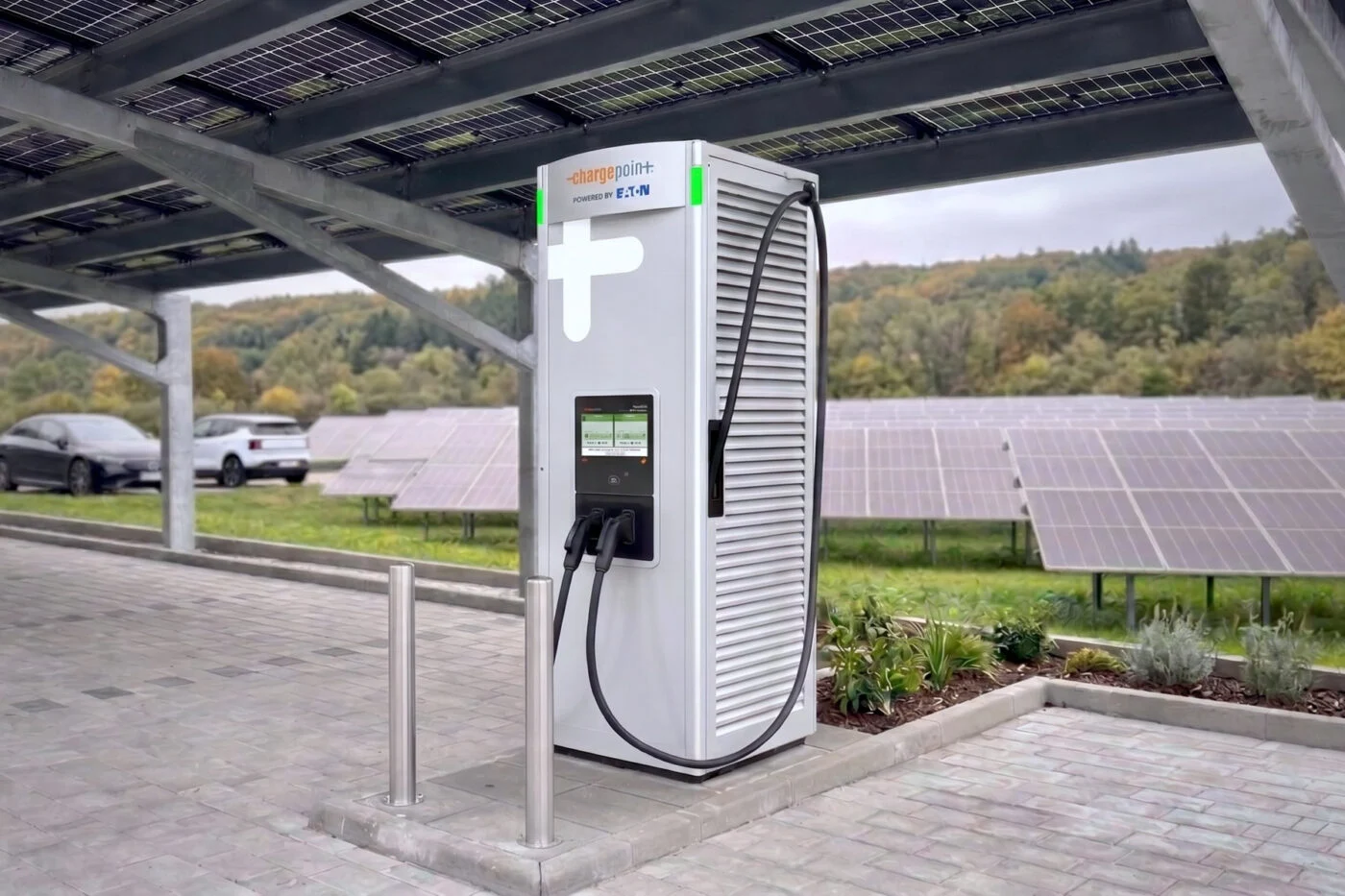
Data shared by Larry Evans in July 2024 underscored the disparity in charging infrastructure. Public EV charge points in the U.S. were dwarfed by the networks in Europe and China, to the point where the U.S. barely registered on comparative charts. Despite this, BEV sales in the U.S. reached 8.2% of new car sales in 2024, while Europe achieved 16% and China surged to 25%. Without accelerated infrastructure deployment and stronger policy commitments, projections suggest the U.S. could take significantly longer to fully electrify its automotive market.
Parallel to the hybrid story is the quieter narrative of hydrogen fuel cell vehicles (FCEVs). December 2014 marked the U.S. debut of the Toyota Mirai, the first commercially available hydrogen fuel cell electric vehicle. Over the decade since, cumulative sales reached 27,455 units across two generations: Gen-1 from 2015 to 2019, and Gen-2 from 2020 to 2024. Madan observed that the number of hydrogen refueling stations in the U.S. has actually declined since the Mirai’s launch, a trend that has constrained market growth.
Toyota’s own sales figures reveal the scale of divergence between technologies. By late 2024, the company had sold 267,564 BEVs—nearly ten times the number of Mirais. This imbalance is particularly notable given Toyota’s prominent role in promoting hydrogen as a viable alternative to battery electrics. The market response has favored BEVs decisively, driven by factors such as improving battery energy density, falling costs, expanding charging networks in leading regions, and the relative simplicity of electric drivetrains compared to hydrogen systems.
Hydrogen fuel cell technology offers advantages in certain niches, particularly for applications requiring rapid refueling and long range under heavy loads. However, the economics of hydrogen production, distribution, and storage remain challenging. Most hydrogen today is produced from natural gas through steam methane reforming, a process with significant carbon emissions unless paired with carbon capture. Green hydrogen, generated via electrolysis using renewable energy, is cleaner but currently far more expensive and limited in scale.
In contrast, BEV infrastructure benefits from leveraging existing electrical grids, with incremental upgrades enabling broader coverage. Advances in fast-charging technologies and grid integration strategies continue to improve the practicality of long-distance electric travel. Europe and China have capitalized on these synergies, pairing aggressive infrastructure investment with supportive policy frameworks to accelerate adoption.
The anniversaries of the Insight and the Mirai serve as markers of technological evolution and market preference. They highlight both the progress made and the gaps that persist. Tracking such milestones provides valuable context for engineers, policymakers, and industry strategists seeking to understand the dynamics of automotive energy transitions. As Madan’s figures illustrate, the interplay between technology readiness, infrastructure availability, and consumer acceptance ultimately shapes the trajectory of adoption.