Ireland’s Ascent in Global Drone Regulation
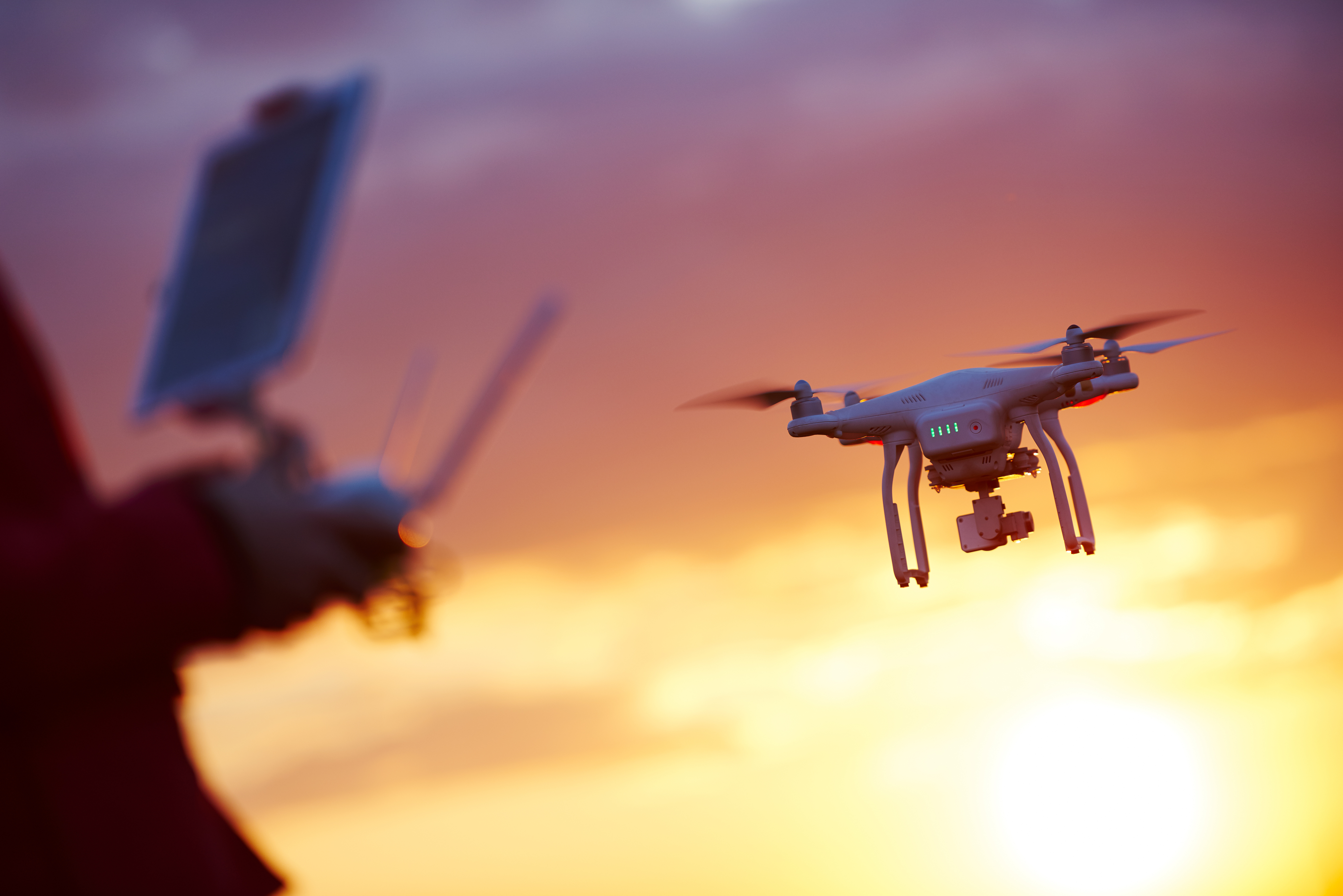
In recent years, Ireland has emerged as a focal point for drone innovation and regulation, attracting companies from across the globe. The nation’s skies are increasingly populated with unmanned aircraft serving diverse roles—from delivering food and medicines to monitoring crops and livestock—and its regulatory environment is widely regarded as one of the most progressive in the world.

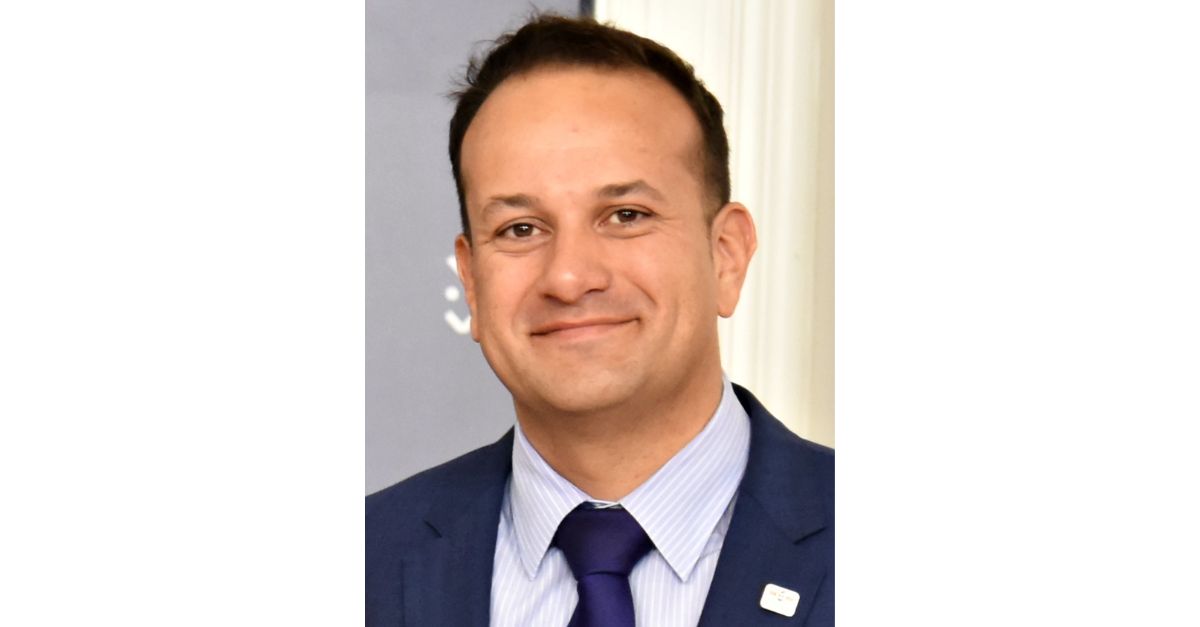
One of the most visible players in this space is Manna, a drone delivery company founded in 2019 by Bobby Healy. The firm is preparing to launch what Healy describes as “the biggest drone delivery operation in the world” in Dublin’s Blanchardstown area, building on successful trials in Balbriggan that served a community of 35,000. Taoiseach Leo Varadkar expressed his support earlier this year, stating, “I really love to see Irish companies like Manna growing at home and then going global,” during a visit to Washington DC where Manna announced its first U.S. trial in the Dallas-Fort Worth region.
Healy credits Europe’s regulatory clarity as a key enabler for expansion, noting, “You can’t even start until you have the clear, concise and practical regulation. And that’s exactly what Europe has done. There’s no compromising on safety – and it’s at least three years ahead of the US at this stage.” Within the EU, Ireland’s pro-business stance makes it an attractive base for operations, even for companies originating elsewhere.
The importance of robust regulation has been underscored by incidents involving illegal drone flights near Dublin Airport, which caused multiple disruptions earlier this year. Dublin Airport has called for “new legislation, a state agency responsible for managing counter drone technology and harsher sentences.” Ryanair CEO Michael O’Leary urged granting airport authorities the power to neutralize drones, prompting Minister for Transport Eamon Ryan to emphasize acquiring “the right equipment” to protect passengers and nearby residents while ensuring offenders face prosecution.
Enda Walsh, head of the unmanned aircraft systems division at the Irish Aviation Authority (IAA), explains that Ireland follows EU drone regulations established in 2019. These rules adopt a risk-based framework, categorizing drones into ‘open,’ ‘specific,’ and ‘certified’ classes. ‘Open’ category drones, under 25 kilograms, must remain within visual line of sight and below 120 meters altitude, providing a buffer from general aviation traffic. The ‘specific’ category covers beyond-line-of-sight operations such as deliveries or infrastructure inspections, while the ‘certified’ category applies to high-risk platforms like air taxis and large cargo drones, treated similarly to manned aircraft.
Although certified drone operations have yet to commence, preparations are underway. Irish aircraft leasing firms Avolon and LCI have placed orders for electric vertical take-off and landing (eVTOL) aircraft, anticipating commercial passenger and cargo services once regulations are finalized.
Beyond urban delivery, agricultural applications are advancing rapidly. Canadian company ZenaDrone operates in Ireland, integrating AI and sensor technologies to map fields, monitor crop performance, and detect diseases early. Business development manager Simon Henry highlights the platform’s adaptability: “It’s designed as a multifunctional platform… customised depending on the end user or the industry.” By enabling targeted spraying, ZenaDrone supports government initiatives to reduce pesticide and fertilizer use, offering farmers leased access to the technology.
Navigating Ireland’s regulatory landscape has proven straightforward for ZenaDrone. Engineer Dhairya Bhatt contrasts EU rules with those of the U.S., remarking, “EU rules around drones are very easy to understand compared to the US, where regulations… are way more strict, complex and non-practical.” Clear categorization by weight, size, speed, and operational parameters simplifies development and deployment.
This openness has fostered a vibrant ecosystem. Companies provide feedback to authorities, refining regulations while benefiting from them. Google-backed Wing entered the Irish market last year, testing delivery drones in Lusk, north Dublin. Healy welcomes the competition, calling Wing “the gold standard in our industry” and predicting that both firms will scale in Europe ahead of U.S. counterparts, given the regulatory advantages.
With coordinated industry-government engagement, Ireland is positioning itself as a model for integrating drones into daily life, balancing innovation with safety through a framework that is both rigorous and accessible.