Artemis 2’s 12,000 Photos Show How Far Humans Pushed Orion
What does our planet look like once humankind leaves low earth orbit again after over five decades? The answer is revealed through an avalanche of images rather than a single hero shot captured by the recent mission of NASA’s Artemis 2. To give you a picture of what the spacecraft had captured, 12,217 photos are now stored in NASA’s archive. However, the latest assembly of the timelapse footage proves that it is possible to get a full visual account from an operation like this. What is seen there includes city lights slowly fading away, satellites shining in the upper layers of our atmosphere, and auroras glowing on the boundary of it.

It is hard not to recognize the importance of this video, as we can see what modern technology allows in terms of capturing visuals when a manned spacecraft goes deep into space. While Artemis 2 becomes a turning point for many reasons, the visuals from its mission can become something more important than you may expect. This time, the spacecraft’s camera system captured more details about the mission than previous space projects have managed before.
First of all, Artemis 2 was the first flight of NASA’s new Orion crewed spacecraft. The four-member crew consisted of Reid Wiseman, Victor Glover, Christina Koch, and Jeremy Hansen. The mission lasted almost 10 days and involved reaching the distance of 252,756 miles from our planet, setting a new human distance record in space. The fact makes the visuals quite significant. These were not the shots taken in known areas; these were images captured during a flight to deep space.
Among other things, the images captured in Artemis 2 include not only pictures of celestial objects and spaceships but also the reflections of astronauts’ faces and hands. Thus, the images prove that it is possible to see both sides the technological one and the human side of a flight.
The latter is also evident from the camera system created specifically for NASA’s missions. As the project went on, the agency decided on the ways to use multiple onboard cameras. These devices would capture information about various deployment events, exterior conditions, reentry hardware, and the images of Earth and the Moon. The higher quality images could stay on board until the opportunity came to send them further.
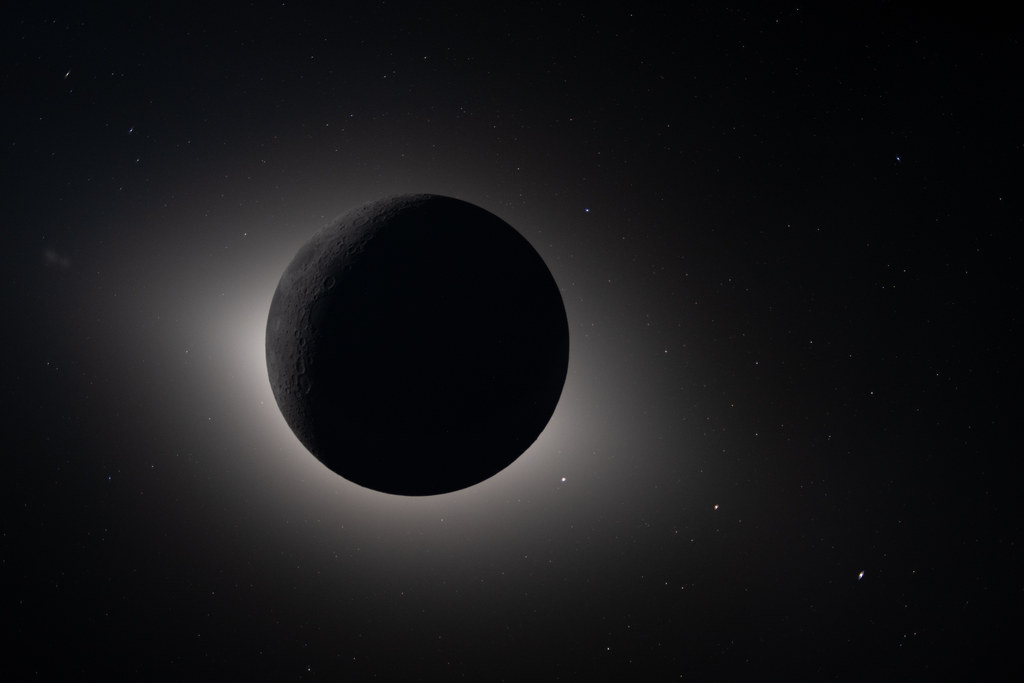
The most vivid and memorable image from the entire mission is certainly a thin crescent of “Earthset” behind the Moon. This shot reminds us of Apollo 8’s iconic “Earthrise” photo but does not repeat it completely. Besides, the crew managed to get pretty close to the Moon only 4,067 miles away. As a result, the astronauts saw some craters never seen by human eyes before. Additionally, they got to observe how the lunar eclipse affects the light of our planet.
Jeremy Hansen described the overall experience of seeing such views in just a few words: “You’d been transported to the far side of the moon. And it really just bent your mind.” It explains well why the release of the photo drop was met with such interest. While it is evident that the images provide proof of the successful flight of the Orion crewed spacecraft, it becomes clear that the era of lunar exploration becomes more vividly captured in the near future. It is also worth noting that this change is important for the mission as the whole story is recorded through thousands of frames instead of just several famous shots.