Tesla Model 3 Lost 82 Miles of Range After 380,000 Miles
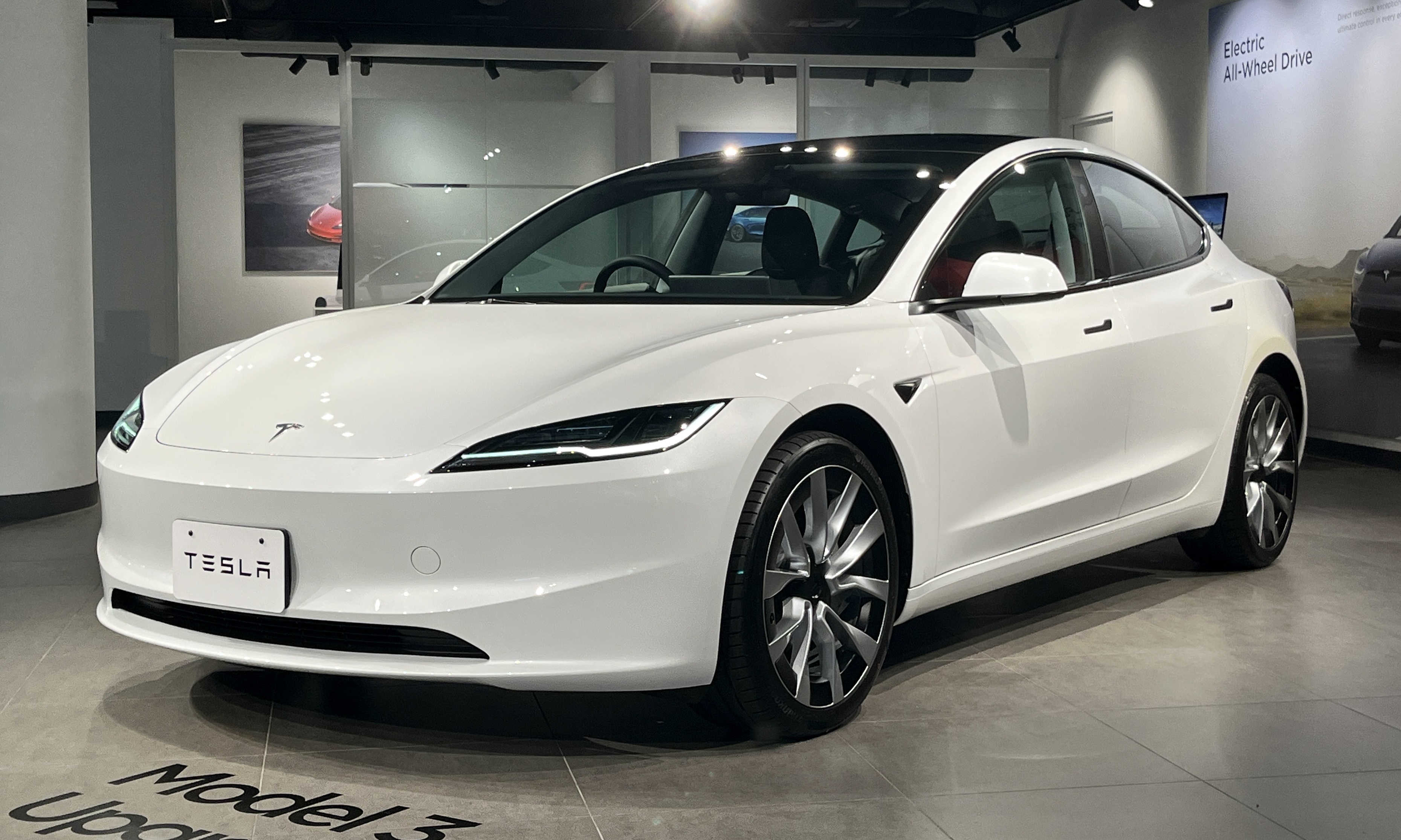
One particular example of a 2019 Tesla Model 3 equipped with its original 380,000-mile battery pack answers an old question about electric vehicle batteries rather abruptly. The car’s driving range did suffer from such mileage, but it definitely was not an end-of-life situation that would render the vehicle scrap.

According to tests conducted by a Canadian owner, the Standard Range Plus model could travel 158 miles on a full charge down from 240 miles initially shown by the dashboard. So, the 34.2% decline in indicated range brought battery capacity to below 70% of the original value. Still, in actual road conditions, the Model 3 made it 138 miles at 68 mph. The car returned 4.27 miles per kWh, which is impressive for a battery that had to cover more than 15 laps around the globe.
While this experience cannot be applied to all electric cars, the important thing to remember is that battery degradation is better understood independently of mileage, frequency, and quality of charges, as well as temperature. Why? Because there is clear evidence indicating quite a positive trend in battery performance.
Namely, in research relying on real-world mileage data provided by about 1,000 EVs with over 150,000 miles, battery degradation has been shown to be less severe than commonly perceived. Specifically, the study found that current models, including the 2023 ones, retain up to 91% of original battery capacity, whereas the average for much older EVs is somewhat lower. In other words, a lot of work has been done to improve battery protection through advances in cell chemistry, thermal management, and battery reserves, rather than simply reducing maximum miles. Therefore, despite the similarity in mileage, the 2019 pack cannot be used as a reference for future batteries.
Finally, according to conversations in the Tesla Motors Club forum, the issue of calendar battery aging should not be overlooked. Discussions involving hundreds of technical details of battery care revealed that, in most cases, time spent under high state of charge (SOC) and temperatures is the leading factor of battery capacity loss, while charge cycles have little to do with it. Such information helps explain why two similar Model 3 cars may show quite different results when it comes to their capacity, although one is used a lot more than another.
Engineering readers will be interested in the fact that the 380,000-mile car could be successfully driven despite the significant battery degradation. The car still offered enough capacity for local trips and did not lose all of its mechanical capabilities. However, it demonstrates that, at some point, a reduced range begins to affect trip planning for electric cars before it becomes the primary problem. The owner is unlikely to feel any difference as a commuter, but it is definitely noticeable on the road.
It is worth mentioning that Tesla Model 3 RWD battery coverage guarantees a minimum 70% of battery capacity during the warranty term; however, this car’s battery has long since passed that period. Nonetheless, the case is interesting due to the simultaneous demonstration of both effects of electric car battery aging: substantial decrease in indicated driving range and preservation of enough capacity to drive safely.