

When it comes to SpaceX’s launches, reusable rockets should not surprise anymore. The striking element is how routine those are getting. On May 19th, the company’s Falcon 9 launched 24 Starlink broadband satellites into low-Earth orbit and brought back the rocket’s first stage to the ship “Of Course I Still Love You” stationed off the coast of California. Orbit injection took nine minutes, while the satellite release was scheduled just less than an hour after that. Again, nothing shocking here. The interesting thing is the message that becomes evident in the process.

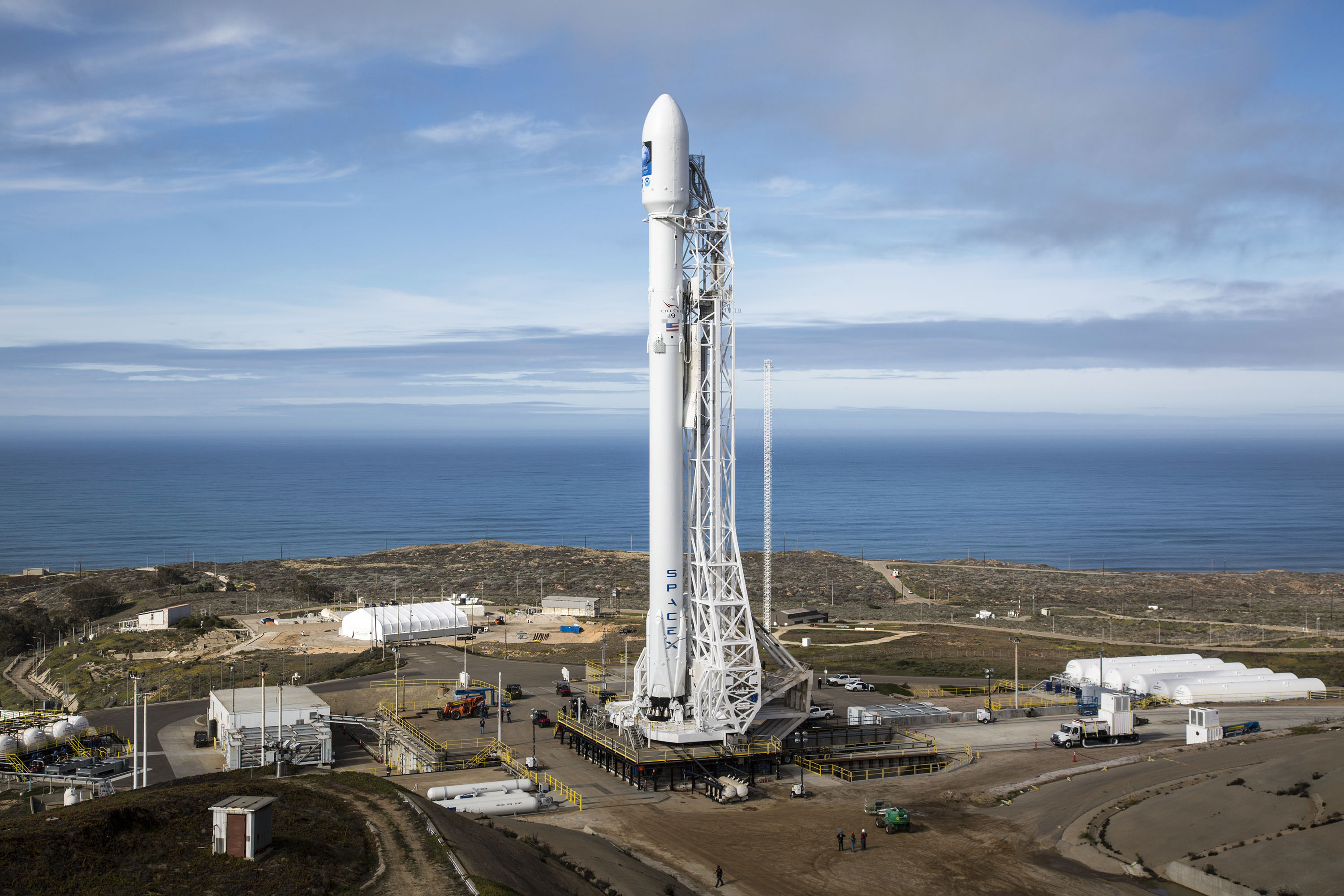
Falcon 9’s booster recovery is no longer an exotic add-on to payload delivery services. It became the core of SpaceX’s launch operation. The technology, initially developed and tested at the company in early 2010s, evolved into a system of engine restarts, precise maneuvers, control systems and, eventually, landing on ships in the ocean. Since 2015, SpaceX was able to land an orbital-class rocket after each flight and started reflights from 2017 onwards. Today, Falcon 9 booster reuse reached 34 flights, the number that could seem unrealistic several years ago when all those technologies were tested and refined. However, it also tells something important about the process of deploying Starlink constellation.
The latter depends heavily on repetitive launches. The reason for it to grow fast is based on mass production and constant replenishment of the network. By May 2026, as Jonathan McDowell tracking suggests, there were already more than 10,000 Starlinks in orbit with 10,280 operational at this moment. California-based mission increased the total by 222 spacecraft, bringing the count of operational satellites to 10,470. Thus, Starlink continues growing rapidly. And that, as a consequence, also turns it into more than just a communications project.
Today, it can be considered as a space infrastructure project with its pros and cons, as there is no way anymore to differentiate them. Low orbit satellites give lower latency and another option for satellite internet service, especially in distant and remote areas. At the same time, Starlink’s massive presence creates many challenges for astronomers (as the light pollution caused by Starlink is considered to be a critical problem), space researchers (who pointed out Starlink as the primary source of close approaches), and atmospheric experts who conduct deorbiting studies.
The Vandenberg Space Force Base, where the above-mentioned launch occurred, also shows the importance of the topic. It has been used for regular launches and has already become one of the bases for upcoming launches related to Space Development Agency’s proliferated low-Earth orbit architecture. Thus, the current Starlink launch became one more example of SpaceX’s technological superiority. The key is not in the rocket itself or in the satellite. It is in the ability of making the entire process a continuous industrial line.