Artemis III Puts Orion Docking and Lander Integration First
The latest news from NASA about Artemis III is not limited to introducing four astronauts who will travel to the moon for that mission. What is significant about that announcement for the wider aerospace world is that the space mission itself will become a test bed for necessary hardware interfaces and operational processes prior to future expeditions.

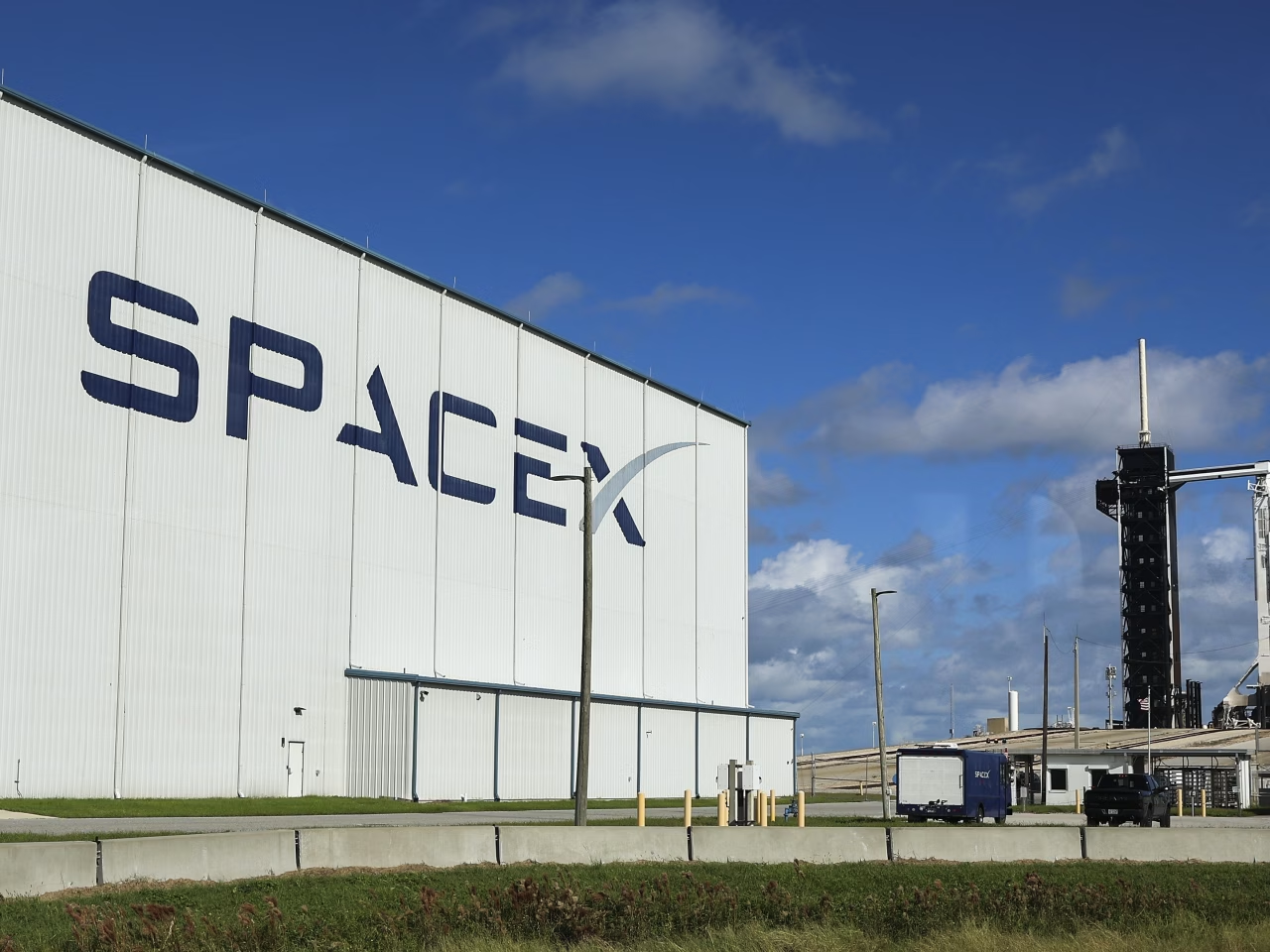
According to NASA, Artemis III will take place in 2027. The mission will involve the Space Launch System, which is expected to launch Orion to the Earth’s low orbit from Kennedy Space Center. Once in orbit, the mission will demonstrate orbital rendezvous and docking with the test versions of commercial lunar landers, which are currently in the process of development by Blue Origin and SpaceX companies.
This means that Artemis III is no longer only focused on one spacecraft. It is rather aimed at testing the interaction of multiple craft in space along with related software packages, communications systems, propulsion devices, and docking mechanisms.
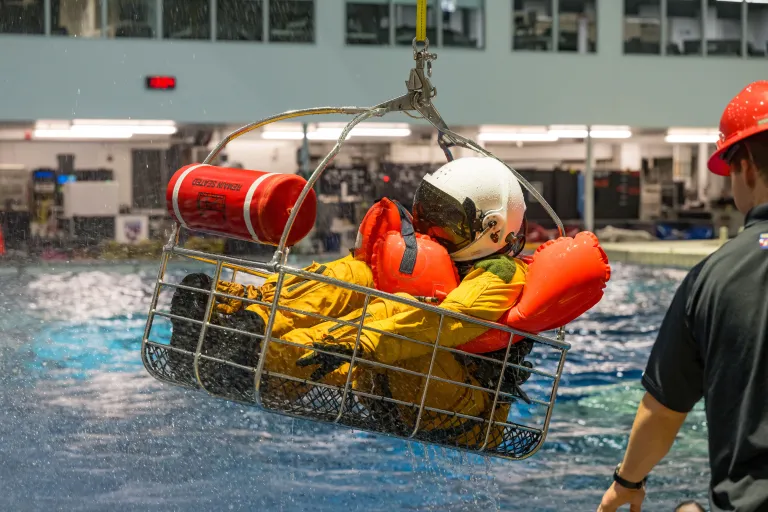
This approach was reflected by the composition of astronauts appointed to this mission. Randy Bresnik will serve as commander of the crew, Luca Parmitano will pilot the ship, while Andre Douglas and Frank Rubio will be mission specialists. Besides, Bob Hines was introduced as a backup crew member. They will have to be trained regarding operation with Orion, as well as provide assistance during development and operation of Blue Origin and SpaceX test lunar landers.
It is significant for the Artemis architecture since this mission is no longer limited to one spacecraft. For example, NASA stated that it would be focused on evaluation of such software components as communications, docking and propulsion, and the corresponding hardware for future missions. In practice, it means that Orion has to fit into a larger transportation chain and not be seen just as an independent capsule.
This will also be evident from the planned sequence of events. According to NASA, a pathfinder lander developed by Blue Origin will be launched first and then stay in orbit. Meanwhile, Orion will be launched carrying astronauts, dock with the lander, and stay connected to it for two days of testing, evaluating its functionality, and entering it. Next, the ship is planned to undock and then dock with a lander designed by SpaceX and wait one more day.
Such a scenario implies significantly more complex issues than just preparing for a launch and returning safely to Earth. In particular, it means that the agency will have to ensure synchronization between the operation of SLS, Orion, Blue Origin and SpaceX, and their respective test vehicles. NASA Administrator Jared Isaacman called this mission a test of complex rendezvous and docking operations involving intensive collaboration with contractors. Josef Aschbacher, the ESA Director General, noted that this task will push the boundaries of spacecraft operations in orbit.
One might say that this also concerns the aerospace industrial base. Namely, NASA and their contractors said that operations in the framework of the Artemis III mission would contribute to increasing flight frequency, expanding production capacity, and developing the supply chain. Such a message is quite interesting considering that NASA operates not only exploration craft owned by the agency but also commercial lunar landing systems. Therefore, Artemis III is not only about testing how a single spacecraft docks to another but also about establishing the foundation for a more complicated and productive interaction in space exploration.
On the other hand, the development of hardware continues on several fronts. Specifically, NASA stated that engineers were planning to join together Orion’s crew and service modules and install the ship’s docking system. This will happen for the first time in the case of Artemis III. Besides, ultrasonic inspections are carried out, while individual heat shield blocks are installed. On the side of the launch vehicle, teams continue to integrate the engine section of SLS and are planning to install four RS-25 engines. Solid rocket booster segments have been delivered to Kennedy, preparations for assembling and launching are taking place according to plan, and rocket stacking will happen this summer. Moreover, NASA is working on designing and manufacturing a spacer to replace the upper stage for the purpose of Artemis III.
Moreover, the role of ESA is clearly marked in this spacecraft. According to Aschbacher, the European Service Module will continue providing Orion with necessary capabilities for power generation, while Parmitano becomes the first ESA astronaut to get involved in the Artemis program.
Artemis III is currently expected to last about two weeks, but, depending on launch timing and rendezvous and docking results, the period will vary.
However, such flexibility should be considered since the main goal of the mission is achieving successful docking, and not reaching a predetermined duration.
Those who wish to receive official information about Artemis III mission and current status of its hardware can read the NASA’s Artemis III mission update.
David Whitaker – Associate editor for aerospace and drone systems; translates flight systems and UAV developments into accessible technical stories.