US Industrial Robotics: Growth, Gaps, and Opportunities
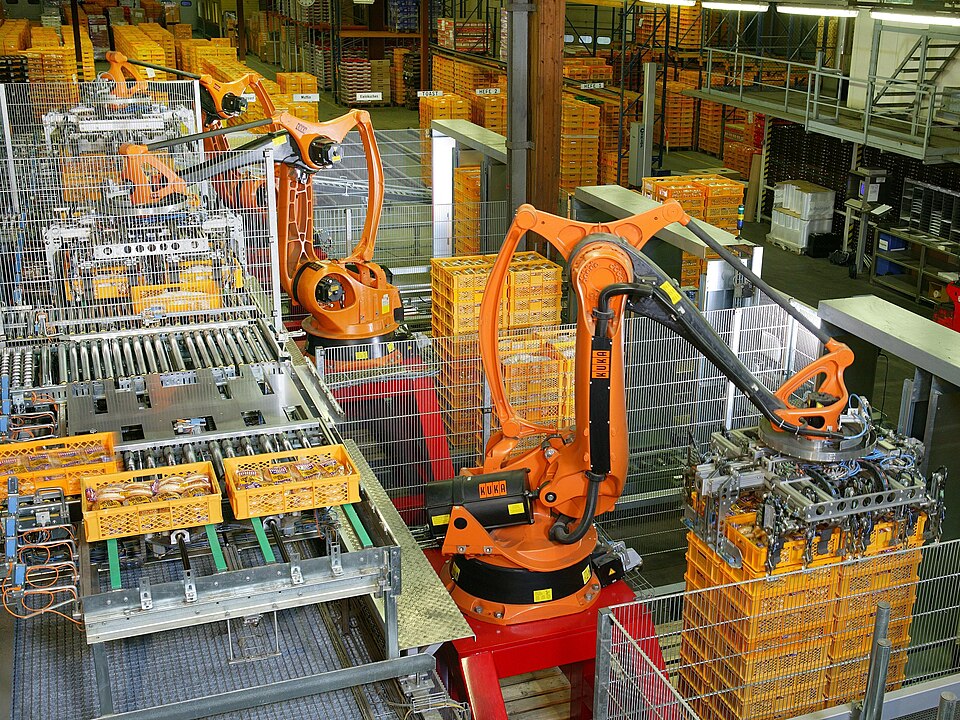
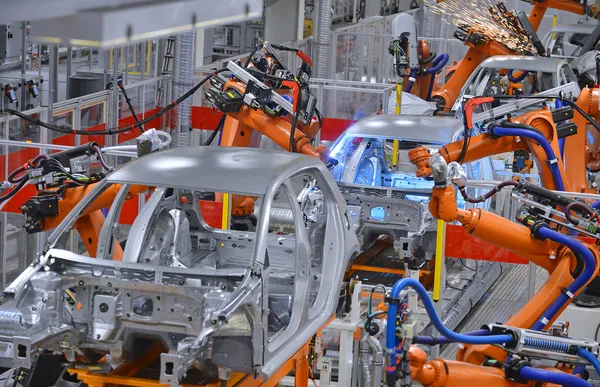
According to the World Robotics 2021 Industrial Robots report by the International Federation of Robotics (IFR), the United States ranked third globally for industrial robot installations in 2020, with 39,000 units deployed. The Asia and Pacific region dominated with 266,000 installations, while Europe followed with 68,000. In terms of robot density—measured as the number of robots per 1,000 employees—the US placed sixth worldwide, with 255 units. Claudia Jarrett, US country manager for industrial automation supplier EU Automation, emphasized the importance of expanding automation to address the country’s persistent labor shortages.

The agricultural sector illustrates the depth of the challenge. The number of American farms declined from 2.2 million in 2007 to 2 million in 2020. Over the same period, temporary agricultural visas issued by the federal government quadrupled, underscoring the growing difficulty of sourcing labor. Britain faced similar issues in 2021, with crops left to rot due to insufficient workers. Collaborative robots, or cobots, have begun to address such gaps. Automated fruit-picking systems employ computer vision to detect ripeness and use grippers, suction cups, or miniature sawblades to harvest. Commercial examples include Robotic Plus’s kiwi picker, the Sweeper robot for peppers, and Agrobot for strawberries. A small number of skilled operators can oversee these systems, increasing yields while reducing reliance on seasonal labor.
Despite clear benefits, US adoption lags behind some peers. One common concern is that automation will displace human workers, potentially leading to widespread unemployment. However, evidence from the electronics industry challenges this assumption. Globally, electronics employs 17.4 million people as of 2022, making it the largest industrial employer. It is also the leading sector for robot installations, with 109,000 units added in 2020. In electronics manufacturing, robots deliver precision in tasks such as coating circuit boards, assembling connectors, and handling delicate components. Yet human expertise remains essential for design, data analysis, software development, and maintenance.
In many cases, robots take over repetitive or physically demanding tasks—such as agricultural picking—freeing human workers for more complex and creative roles. Jarrett noted that companies slow to adopt automation often face competitive disadvantages, which can force workforce reductions. Conversely, early adopters typically see productivity gains, higher output, and growth that enables hiring. While the composition of the workforce changes, the overall number of opportunities can increase.
Cost remains a significant barrier. Industrial robots and their integration into production lines require substantial investment. However, the return on investment can be compelling, especially when considering reduced downtime, improved quality, and higher throughput. Concerns about technological obsolescence also weigh on potential buyers, as rapid advancements in robotics can make newer models appear more attractive. For manufacturers hesitant to commit to emerging technologies, established designs such as six-axis, SCARA, or Cartesian robots offer proven reliability. Jarrett recommended these traditional platforms over experimental varieties for first-time adopters.
Obsolescence need not mean disposal. Credible suppliers, including EU Automation, maintain inventories of warrantied parts for older models, mitigating risks associated with faults and unplanned downtime. This availability extends the service life of existing assets and can lower the initial barrier to entry for automation.
Increasing the number of installed industrial robots in the US has implications beyond manufacturing efficiency. It strengthens competitiveness in global markets, supports industries under labor pressure, and enables businesses to adapt to evolving production demands. Strategic investment in automation—particularly in sectors like agriculture and electronics—can help balance workforce shifts while driving innovation and resilience.