FAA Grounds Falcon 9 After Rare Booster Landing Failure
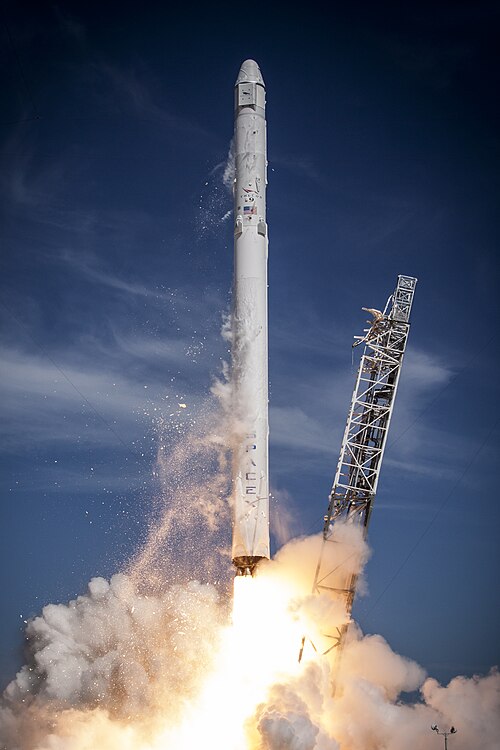
For the second time in under two months, the Federal Aviation Administration has halted SpaceX’s Falcon 9 launches, following a failed booster recovery that ended in a fiery destruction on the deck of the drone ship *A Shortfall of Gravitas*. The incident occurred after the rocket’s first stage, booster B1062, completed its 23rd mission—a record-setting flight count for SpaceX hardware—delivering a new batch of Starlink satellites into orbit.

The landing attempt, conducted about 250 miles east of Charleston, South Carolina, ended with a hard impact that consumed the booster in flames. It marked the first failed landing for a Falcon 9 since February 2021, underscoring the rarity of such events given the program’s extensive recovery track record. The FAA confirmed that no injuries or damage to public property occurred, but stated, “The FAA is requiring an investigation.”
This grounding follows a July 12 upper-stage failure during the Starlink 9-3 mission, which led to the loss of 20 satellites. SpaceX resumed launches only after completing corrective actions, returning to flight on July 27 with the Starlink 10-9 mission. The recurrence of a major anomaly within weeks has placed heightened scrutiny on the company’s recovery and launch operations.
Jon Edwards, SpaceX vice president of Falcon Launch Vehicles, addressed the mishap directly. “Losing a booster is always sad. Each one of them has a unique history and character. Thankfully this doesn’t happen often, due to the robust design and vigilance of the team,” he wrote in a social media post. He emphasized that the failure was “purely a recovery issue and posed no threat to primary mission or public safety,” and confirmed that SpaceX is working to identify the root cause and implement corrective measures as quickly as possible.
The timing of the booster loss added to an already challenging week for SpaceX. The company had twice delayed the Polaris Dawn astronaut mission—first due to a helium leak in the rocket’s systems, and then because of unfavorable recovery weather conditions. Kiko Dontchev, SpaceX vice president of Launch, acknowledged the strain: “Challenging week for sure, but launch takes #grit and the team will persevere. Lessons learned from recovery failures will not only improve recovery reliability, but also ascent reliability.”
Polaris Dawn, a privately funded crewed mission led by Jared Isaacman, remains in quarantine while awaiting a new launch date. The scheduling is complicated not only by the FAA investigation but also by launch pad logistics. The mission is slated to depart from Launch Complex 39A at Kennedy Space Center—a pad that must soon be prepared for NASA’s Europa Clipper mission. Europa Clipper has a narrow 21-day planetary launch window opening October 10, and converting the pad from Falcon 9 to Falcon Heavy configuration requires roughly three weeks.
If Polaris Dawn does not launch soon, it risks being pushed back significantly to accommodate Europa Clipper’s schedule. SpaceX’s other Florida pad, Space Launch Complex 40 at Cape Canaveral Space Force Station, is already committed to NASA’s Crew-9 mission to the International Space Station, targeted for no earlier than September 24.
The FAA’s clearance process will be a decisive factor in determining when Falcon 9 flights can resume. Investigations into recovery failures typically involve detailed analysis of telemetry, onboard video, and post-incident inspections of surviving hardware. For a booster like B1062, which had flown more missions than any other in the fleet, engineers will be keen to understand whether wear from repeated launches played a role, or if the failure was linked to environmental conditions or procedural anomalies during the landing sequence.
SpaceX’s reusability program hinges on the ability to recover and refurbish boosters efficiently, a capability that has driven down launch costs and increased cadence. While the loss of a veteran booster represents a setback, the company’s engineering teams have historically used such incidents to refine hardware and procedures, feeding improvements back into the fleet. The coming weeks will reveal how quickly SpaceX can translate lessons from this rare failure into restored operational readiness.