Precision Farming’s Technological Transformation
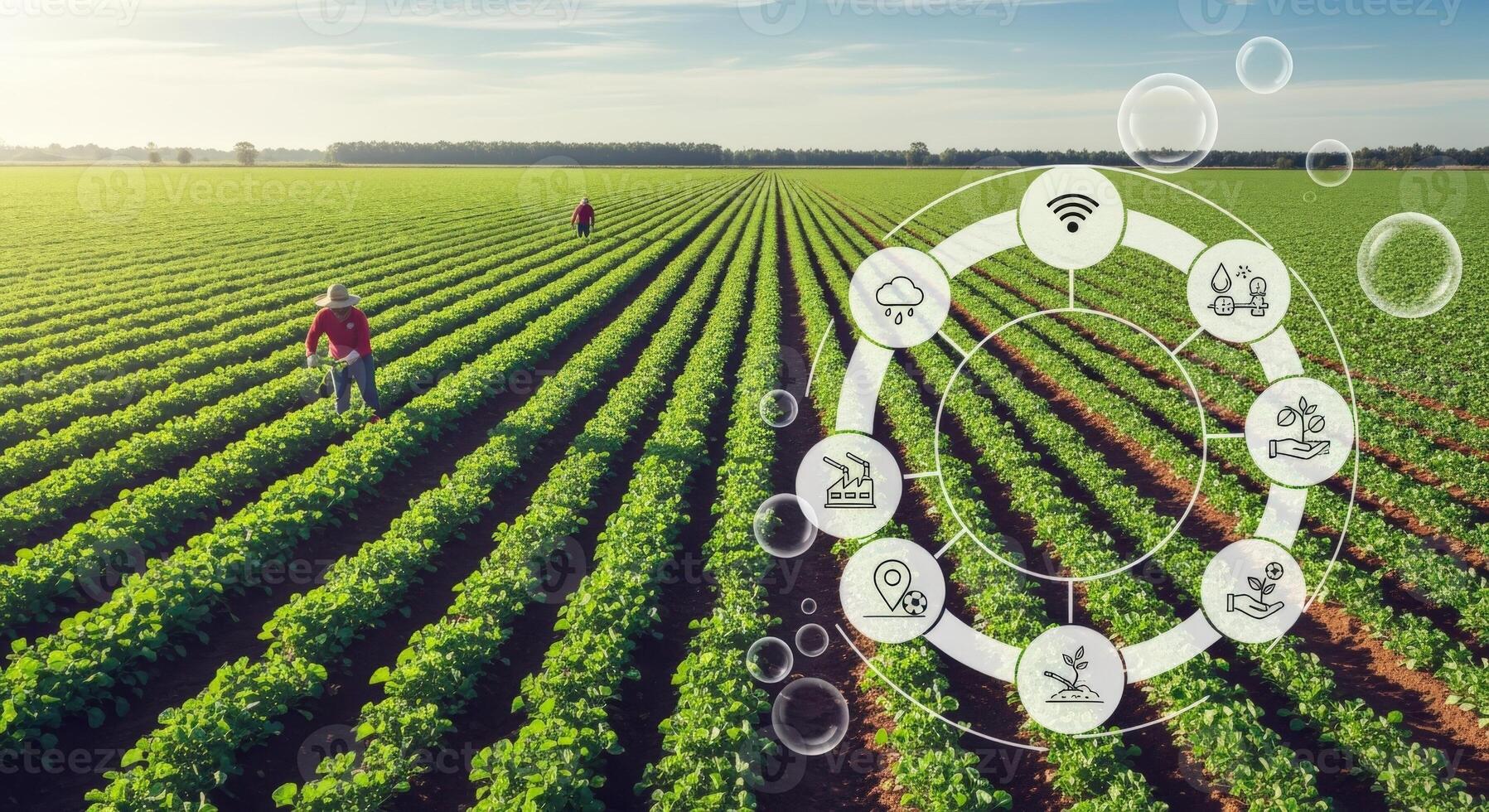
Precision farming, also known as precision agriculture, is reshaping the agricultural landscape through the integration of GPS, sensors, drones, and data analytics. This approach enables farmers to optimize crop yields while reducing waste and mitigating environmental impact. By leveraging these tools, resources such as water, fertilizers, and pesticides can be managed with remarkable accuracy, tailored to specific field conditions.

The global precision farming market has shown robust growth. In 2023, revenues reached USD 10.5 billion, rising to USD 11.8 billion in 2024. Projections indicate a continued upward trajectory, with USD 13.2 billion expected in 2025 and USD 14.8 billion in 2026. By 2033, the market is anticipated to surpass USD 33.2 billion, reflecting the accelerating adoption of advanced agricultural technologies.
Sensor technologies play a critical role in modern crop production. Approximately 40.46% of surveyed users employ sensors to monitor machine conditions, enabling proactive maintenance and reducing downtime. Position-tracking sensors are used by 50.38% of respondents to facilitate precise automated tasks, while 53.44% utilize plant protection and nutrition sensors to optimize inputs and enhance crop health. Weather stations, adopted by 58.02%, provide essential data for irrigation, pest control, and harvest timing. However, crop anomaly sensors remain less common, with only 21.37% adoption.
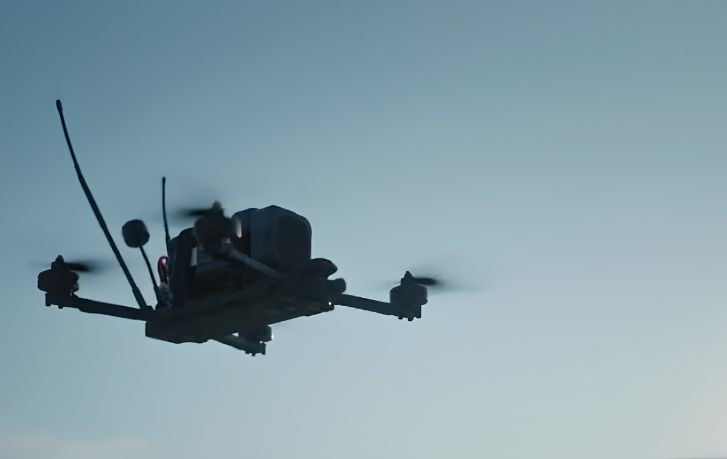
Machinery integration is equally significant. Unmanned vehicles, including autonomous tractors, are used by 89.31% of respondents for planting, cultivation, and harvesting. Navigation and optimization systems see 61.83% adoption, enhancing field operation efficiency. Agriculture drones, employed by 33.59%, collect soil health and moisture data, supporting informed decision-making.
In livestock production, sensors and IoT devices are increasingly prevalent. Microclimate sensors, used by 32.06%, monitor temperature, humidity, and air quality to maintain optimal conditions. Smart collars for health monitoring are adopted by 42.75%, while movement monitoring collars reach 46.56% usage. Nutrition monitoring collars match microclimate sensor adoption at 32.06%, enabling tailored feeding regimens.
Robotics in livestock operations are advancing. Milking robots, used by 12.98% of respondents, automate the milking process, boosting yield, reducing labor, and improving animal welfare. Feeding robots, with 19.85% adoption, dispense feed according to nutritional requirements and schedules.
IoT applications in agriculture are expanding across multiple segments. Precision crop farming grew from $7,285.3 million in 2020 to $8,280.6 million in 2021, with forecasts of $13,134 million by 2026. Livestock monitoring rose from $4,834.1 million to $5,503.3 million in the same period, projected to reach $8,797.6 million by 2026. Indoor farming and aquaculture also show strong growth trends.
Investment patterns in agricultural technology have fluctuated but remain substantial. Funding rose from $12.2 billion in 2017 to $21.1 billion in 2018, peaking at $53.2 billion in 2021 before settling at $29.6 billion in 2022. These figures underscore investor confidence in the sector’s potential to address global food security challenges.
Dealer offerings of precision agriculture services have expanded between 2019 and 2022. Cost/profit mapping rose from 38% to 55%, GIS field mapping from 85% to 90%, and satellite imagery use from 70% to 80%. Variable rate technology for pesticide application surged from 20% to 50%, while adoption of yield monitors and data analysis tools also increased.
Retailers have similarly embraced precision technologies. GPS autosteer systems for fertilizer and chemical application climbed from 78% to 90% between 2017 and 2019. Satellite imagery for internal use jumped from 52% to 68%, with modest gains in auto sprayer control and precision agronomic services.
Challenges persist, particularly rising input costs. Nearly 67% of farmers express concern over profitability impacts, with global input prices spiking between 80% and 250%. South American producers face the steepest increases at 247%, while Asian farmers see rises around 82%.
Major industry players have responded with new products and strategic partnerships. In 2023, John Deere introduced advanced GPS-guided tractors and automated planting systems. Trimble acquired a leading agricultural data analytics firm to strengthen its solutions portfolio. Startups have secured significant funding to scale innovations, and collaborations between hardware manufacturers, software developers, and producers are integrating diverse technologies into unified farming systems.
The ongoing expansion of precision farming reflects a commitment to efficiency, sustainability, and technological integration. With data-driven tools becoming central to agricultural operations, the sector is poised to meet the dual demands of productivity and environmental stewardship.