


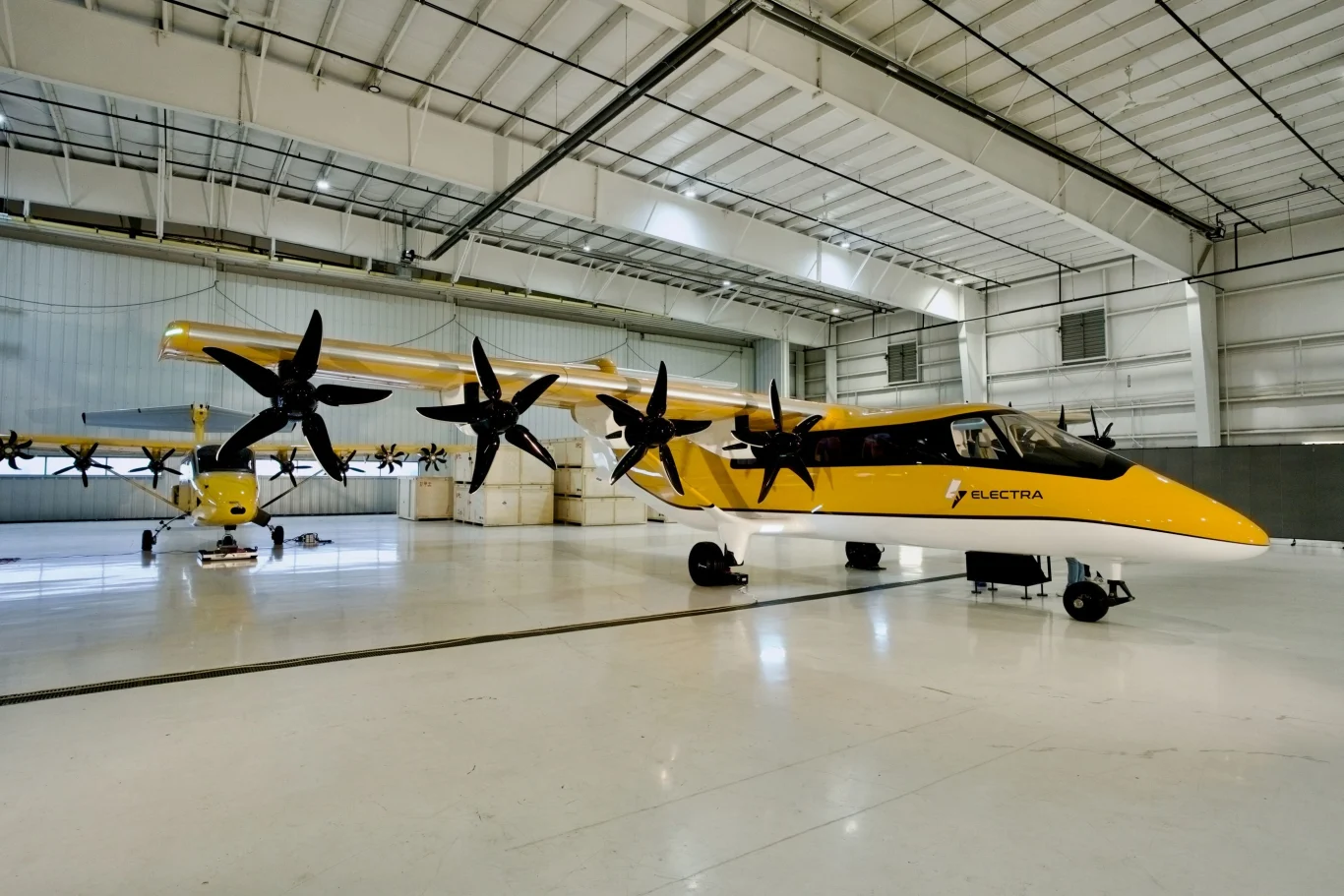
Electra EL9 Reaches Key FAA Certification Basis Milestone
Electra tells that the G-1 Issue Paper for its EL9, a nine-passenger hybrid-electric aircraft, has been closed by the FAA, thus officially establishing the certification basis of the airplane in accordance with Part 23. That does not mean that the airplane is certified. This is the first step in the US process of type certification the step when the FAA and the aircraft applicant agree on the rule set and the technical scope of the certification program.

For aerospace professionals, this news matters because the EL9 is an unusual design in many ways. Electra tells that the agreed certification basis is applicable to three key features of the aircraft: the distributed hybrid-electric propulsion system, the blown lift system that should provide ultra-short take-off and landing capabilities and advanced fly-by-wire controls. Thus, the framing of those elements in the FAA certification process is the real meaning of this achievement.
According to the company, Electra submitted its Part 23 certification application back in November 2025 and completed the G-1 Issue Paper after about 7 months of technical interaction with the FAA. In simple words, at G-1 stage, the novel technology of the aircraft is transformed from the design features into something that can be proven.
After G-1 comes the G-2 stage. According to Electra, the means of compliance for the EL9 will be defined at the G-2 stage. At that stage, the aircraft applicant will define the way to prove the compliance of the airplane with the approved certification basis through engineering analyses, ground and flight tests, inspections, conformity actions and certification data. As one may see, this is the typical moment in the certification process, when the applicant changes its efforts from defining the rule set to proving the compliance with that rule set.
This is particularly important in the case of Part 23 because the FAA sees some specific EL9 technologies as novel certification issues that need special attention. Namely, in the small-airplane issues database, fly-by-wire, electric or hybrid-electric propulsion, distributed propulsion and propulsion used as a flight-control effector are listed among the novel certification issues. One can not conclude that it is going to be difficult for Electra to get the certificate, but that helps to understand why the closing of the G-1 is an important milestone.
Each of the technologies above requires a lot of effort from the applicant. Hybrid-electric propulsion system needs to be evaluated not as a propulsion system, but as a part of the aircraft architecture. Distributed propulsion system raises the question about monitoring and controlling of multiple propulsion elements and safe functioning of these elements across the whole operation range. Blown lift takes the certification process further in the interaction of the propulsion system and aerodynamic performance. If the thrust provided by propulsion elements is used as a flight control element, then the certification process goes deeper into this area. And, finally, fly-by-wire puts handling qualities and pilot interface functions into the software domain, which is much harder for validation and failure analysis.
According to the company, the flight control system of the EL9 is designed to support low-speed handling and reduce pilot workload. Indeed, those things can be mentioned in the context of certification because handling qualities and pilot workload reduction can be proved only in the case of certificable aircraft. The same thing is true for the overall operating concept of the aircraft. Electra tells that the EL9 is developed under the concept of Direct Aviation that implies use of general aviation airports, new landing facilities and integration with larger airports.
The aircraft is supposed to take off and land in 150 feet or less, to carry up to 9 passengers and to fly routes up to 330 nautical miles long. These are very ambitious goals, but the real meaning of the certification process in this case is in the agreement on the basis of evaluation of the systems, which are supposed to achieve these results in commercial passenger and cargo service.
Electra CEO Marc Allen said that the company is focused on maintaining the momentum in the G-2 phase, while the company’s Senior Vice President for Product Development JP Stewart describes the phase as one that will guide the demonstration of compliance through analyses, tests, inspections, conformity actions and certification data. And it is the correct framing. In the US aircraft certification process, novel capability starts to play role only when it is translated into the inspectable and regulator-approved proof.
The closing of G-1 Issue Paper of the EL9 is important because it transforms the program from the concept verification to compliance planning of a Part 23 aircraft with the distributed hybrid-electric propulsion system, blown lift and fly-by-wire controls. For the wider market of advanced aircraft designs, this is an important signal: not the completion of the certification process, but getting the agreement with the FAA on what needs to be proved.
David Whitaker, Associate Editor of AMI’s Aerospace and Drone Systems desk


