Air Force Keeps Two Pilots on Automated B-21 for Long Missions
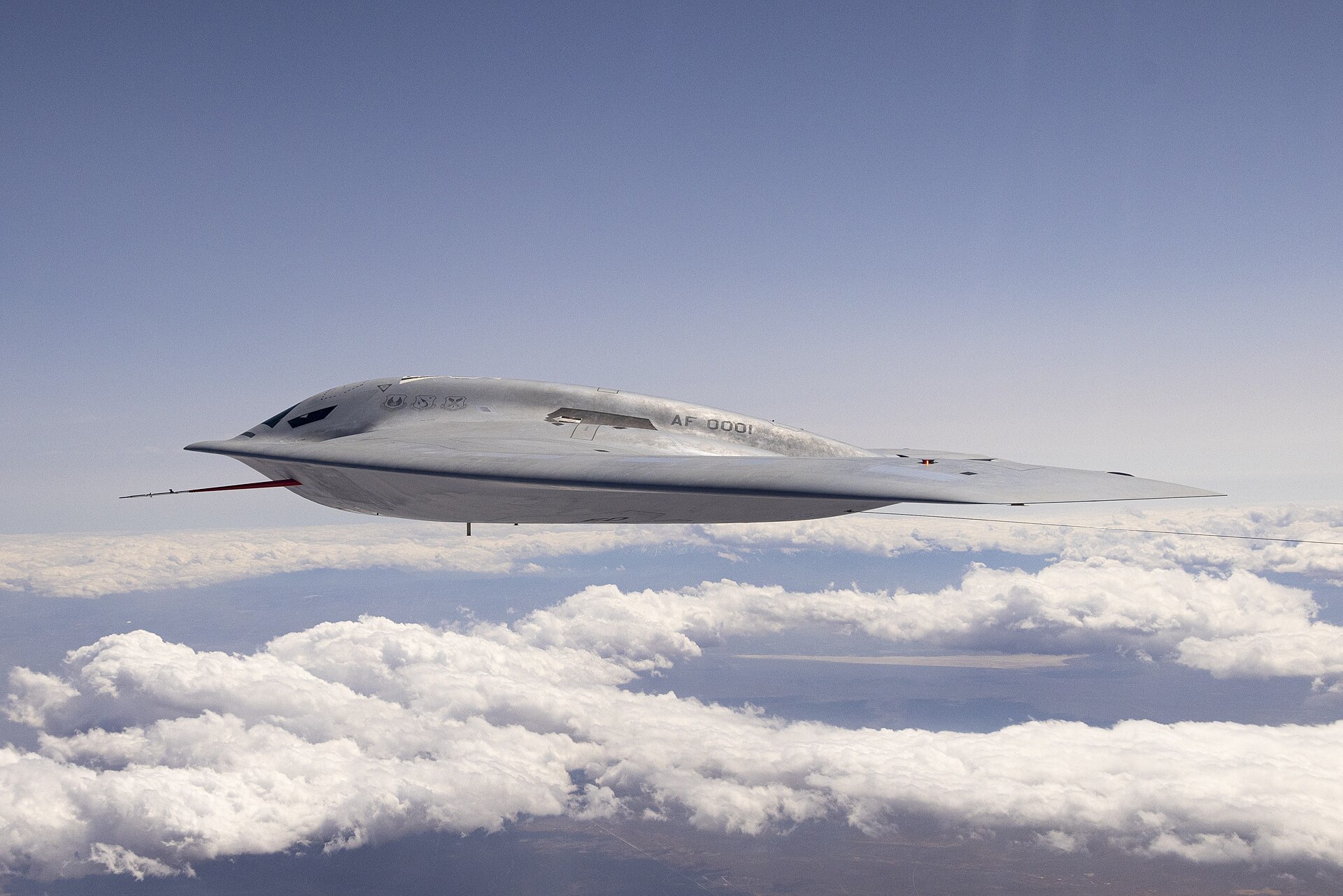
The U.S. Air Force confirmed on July 9, 2026, that the highly automated B-21 Raider will officially operate with two pilots, preserving human workload sharing and redundancy for extended-duration missions. In its crew announcement, the service said its analysis found that two pilots best support the stealth bomber’s mission profile. The Air Force also established a route for selected weapons system officers and combat systems officers to attend pilot training before receiving B-21 assignments.

The decision resolves speculation that the Raider might use a single pilot alongside a weapons specialist. More importantly, it establishes the staffing model around which the Air Force must now build training, assignments and operational procedures as the new bomber approaches service.
Automation reduces tasks, not mission duration
The two-pilot configuration does not mean the B-21’s automation fell short. Automation can manage or simplify individual functions, reduce routine workload and help crews monitor a complex aircraft. It cannot shorten the physical time spent airborne, however, or eliminate the value of having a second qualified pilot available during a mission lasting more than a day.
With two pilots, the crew can alternate flying duties and rest periods while maintaining supervision of the aircraft. One pilot can also monitor systems, handle communications or prepare for a later mission phase while the other remains focused on immediate flight responsibilities. If a pilot becomes ill or incapacitated, the other provides an essential layer of human redundancy.
Those benefits matter particularly in long-range bomber operations, where endurance is as much a crew-management problem as an aircraft-range problem. B-2 bombers flew an approximately 37-hour mission in June during Operation Midnight Hammer, illustrating the duration crews can encounter. The Air Force did not identify that mission as the cause of its B-21 decision, so it should be treated as context rather than a direct explanation.
The broader engineering point is that cockpit automation and crew count do not move in lockstep. Automated systems can make two pilots more effective without making the second seat unnecessary. For the Raider, the Air Force has concluded that the operational value of shared workload, fatigue management and backup outweighs the potential staffing advantage of assigning only one qualified pilot.
A conversion route expands the potential pilot pool
The associated transition program is the readiness side of the decision. Selected weapons system officers and combat systems officers will be offered a route through Undergraduate Pilot Training, followed by assignment to the B-21. Eligibility details and schedules will be distributed through Air Force command channels when available.
These officers already carry experience in areas such as mission management, aircraft systems and combat operations. Converting eligible personnel into pilots therefore gives the Air Force a way to retain relevant experience while expanding the pool available to crew the Raider. It is not a shortcut around pilot qualification: participants still must be selected for and complete pilot training.
The scale of that pipeline remains unresolved. Current plans call for at least 100 B-21 aircraft, but the Air Force has not determined or publicly announced the ultimate number of Raider pilots it will require. Proposals and predictions for fleets exceeding 145 or 200 aircraft are not approved procurement totals and should not be used to calculate a firm aircrew requirement.
The B-21 is planned to enter operational service in 2027. That makes crew conversion, training capacity and assignment planning immediate program concerns even while the final fleet size remains unsettled. Aircraft production alone cannot create an operational bomber force; the service also needs enough qualified crews to support missions, instruction, evaluation and other assignments.
The Air Force’s choice sets a clear boundary for B-21 automation: software may absorb tasks, but it does not replace the endurance and resilience purchased by a second qualified pilot. For a bomber built around long-duration operations, that human redundancy remains part of the platform’s operational design rather than a holdover from an earlier cockpit.
By David Whitaker — Associate editor for AMI’s aerospace and drone systems desk, translating flight systems, aircraft programs, spaceflight, and UAV developments into accessible technical stories.