Ukraine’s Moscow Refinery Drone Strike Suspends Flights Across Capital’s Airports
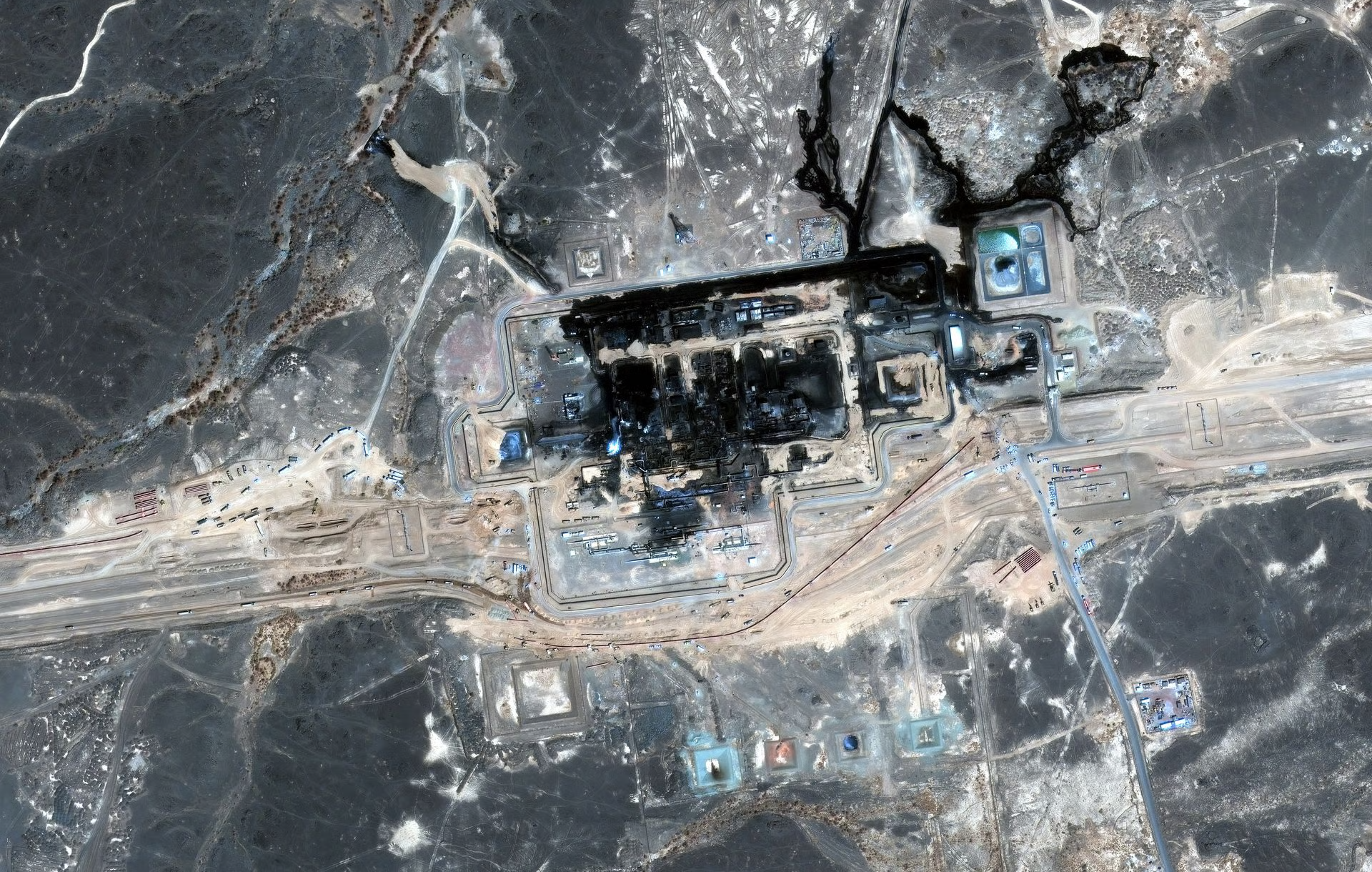
Ukrainian drones struck an oil refinery in southeast Moscow on Thursday, after which flights were suspended at every Moscow airport, Sheremetyevo Airport was evacuated and traffic stopped on a nearby highway, Reuters reported. The incident, described as the second strike on the refinery in three days, started a large fire, but no independently verified assessment has established the extent of the damage, lost fuel production, number of canceled flights or duration of the aviation restrictions.
Those gaps matter because the clearest confirmed result is not a refinery-output figure. It is the disruption that spread into several connected transportation and public-safety systems. Airport operators had to suspend flights across the capital while Sheremetyevo, identified as Moscow’s busiest airport, conducted an evacuation. Road authorities also halted traffic near the facility, adding a surface-transport constraint to the interruption of air travel.
Airport shutdowns can extend far beyond the incident area
Closing airports is a system-level safety response. Even without confirmed damage to airport infrastructure, a drone incident can force authorities to protect airspace, pause departures and arrivals, hold aircraft on the ground, and manage passengers already inside terminals. The available information does not specify which of those measures applied at each Moscow airport, so it would be premature to calculate the operational cost or claim a particular airport failure.
The broader engineering point is that aviation disruption does not require physical contact with an aircraft or runway. Airspace uncertainty alone can remove capacity from a metropolitan airport network. When every airport serving a major city suspends flights, airlines and controllers lose the flexibility to shift traffic among local alternatives. Delays can then propagate through aircraft rotations, crew schedules and passenger connections even after restrictions begin to lift.
Sheremetyevo’s evacuation added another recovery task. Reopening a terminal is not simply a matter of allowing people back inside; operators must restore controlled passenger flows and coordinate them with whatever flight schedule remains available. Reuters did not report how long the evacuation lasted or how many travelers were affected, preventing a reliable estimate of the recovery burden.
Repeated incidents increase readiness demands
The second reported strike in three days illustrates a different pressure: readiness must be sustained rather than activated once. Repeated drone alerts can require overlapping decisions across airspace management, airport security, emergency response and road control. That creates a coordination problem even when each individual precaution works as intended.
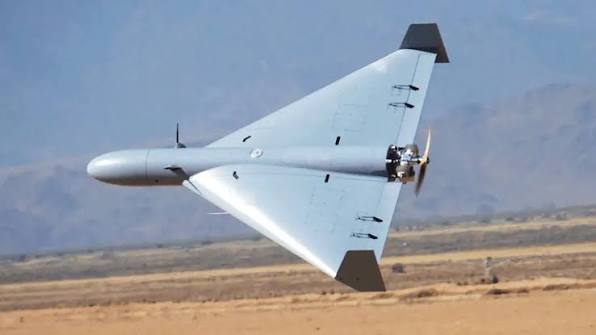
It also demonstrates the industrial significance of uncrewed aircraft without establishing their specifications or precise number. A continuing campaign depends on more than one successful air vehicle; it requires recurring production, integration and mission support. The public record here provides no drone models, performance figures or verified launch details, so it cannot support conclusions about how the aircraft reached Moscow or how defensive systems performed. What can be concluded is that repeated incidents impose recurring readiness costs on the systems responsible for protecting and operating the capital’s infrastructure.
Fuel effects must be separated from immediate damage
The refinery incident occurred against a wider backdrop of gasoline shortages in parts of Russia. Industry sources told Reuters that Russia was expected to import fuel by sea during the month. Separately, the Centre for Research on Energy and Clean Air reported that Russian seaborne oil-product loadings fell 21% in June, which it associated with sustained refinery attacks, domestic shortages and a temporary jet-fuel export ban.
That wider trend does not establish how much production Thursday’s strike removed. Moscow authorities said gasoline remained normally available in and around the capital. Russia’s federal anti-monopoly watchdog nevertheless asked a major retailer to explain a 19% increase in one week for the most popular gasoline grade. These facts point to supply-system pressure, but they do not prove that this single incident caused the price move, regional shortages or planned imports.
Refinery networks depend on processing units, storage, utilities and distribution links operating together. Damage to one element can affect throughput, but the consequence depends on redundancy, repair time, inventories and the ability to redirect supply. None of those variables has been quantified for this event. The disciplined conclusion is therefore narrower: the strike coincided with immediate, confirmed airport and road disruption while adding uncertainty to an energy system already facing reported supply constraints.
For autonomous-systems planners and infrastructure operators, that distinction is central. Physical damage remains unresolved, yet the precautionary response already produced measurable operational consequences across aviation and surface transportation. In densely connected cities, the first cost of a drone incident may be lost network capacity not the damage visible at the point of impact.
By Stephen Wallace — Editor for AMI’s aerospace integration and unmanned mobility coverage, focused on drone manufacturing, VTOL systems, autonomous networks, and air-ground mobility links.