EU Releases €3.47 Billion for Ukraine Drones, Air Defense and Gripen Fighters
The European Union released €3.47 billion ($4 billion) to Ukraine on Thursday, July 30, 2026, to finance additional drones, missiles, air-defense equipment and Swedish-made Gripen fighter jets. The European Commission announced the completed disbursement, which brings the bloc’s reported defense-purpose payments under the program to approximately €8.5 billion.

The transfer adds substantial purchasing capacity across four major defense and aerospace categories, but it is not confirmation that individual contracts have been awarded or equipment delivered. The Commission did not provide a spending breakdown, identify drone, missile or air-defense models, name suppliers, specify the number or variant of Gripen aircraft, or publish delivery schedules.
A payment spanning several procurement categories
The €3.47 billion payment comes through the defense window of the EU’s €90 billion Ukraine Support Loan. That broader package is divided into €60 billion intended to strengthen Ukraine’s defense capabilities and industrial capacity and €30 billion in budget support.
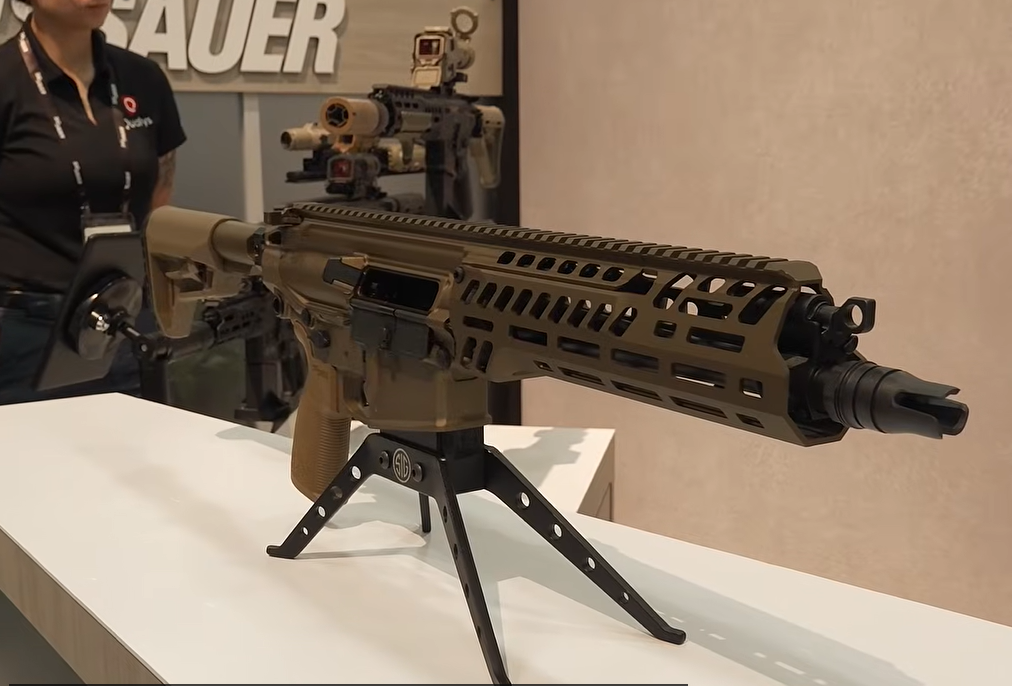
According to the Commission, the latest payment covers an additional tranche of an existing drone-procurement schedule. It also includes financing for more drones, missiles and Gripen fighters. Air-defense equipment is part of the stated procurement scope, although the announcement does not allocate specific amounts among the categories.
That distinction matters because these systems impose very different industrial and support requirements. Uncrewed aircraft can span a wide range of designs and production scales, while missiles and air-defense equipment depend on specialized manufacturing, integration and replenishment pipelines. Fighter procurement also extends beyond the aircraft themselves to training, maintenance, spares and other support arrangements. No such package details were confirmed with this payment.
In practical terms, the disbursement gives Ukrainian procurement organizations access to funds, while later contracting decisions will determine what industry must produce and when. Until awards, quantities and schedules are disclosed, the transfer should be read as funded demand rather than a defined production order.
Defense payments have reached €8.5 billion
The Commission made the first €3.2 billion installment under the loan on June 25 for government financing rather than defense procurement. It then transferred €3.9 billion through the defense window on June 30 and another €1.1 billion on July 15. With the new €3.47 billion payment, a Commission spokesperson put defense-related disbursements at €8.5 billion, reflecting the rounded total of those defense payments.
The larger 2026 plan is considerably broader. The EU expects to disburse €28.3 billion this year in support of Ukraine’s defense industrial capacity, within as much as €45 billion in total 2026 assistance. The Commission expects the year’s defense allocation to be finalized by September through the adoption of corresponding product schedules, with payments continuing through the end of 2026.
Those schedules will be important because they can convert a high-level funding plan into more specific procurement categories. Even then, a schedule is not necessarily the same thing as a signed supplier contract or a completed delivery. The industrial consequences become clearer only when buyers define quantities, configurations, acceptance requirements and timing.
Funding is ahead of the public procurement detail
The EU and Ukraine are also pursuing closer defense-industrial cooperation, including joint drone and counter-drone production. That framework may support future manufacturing activity, but the latest €3.47 billion announcement does not assign this particular payment to named companies or production sites.
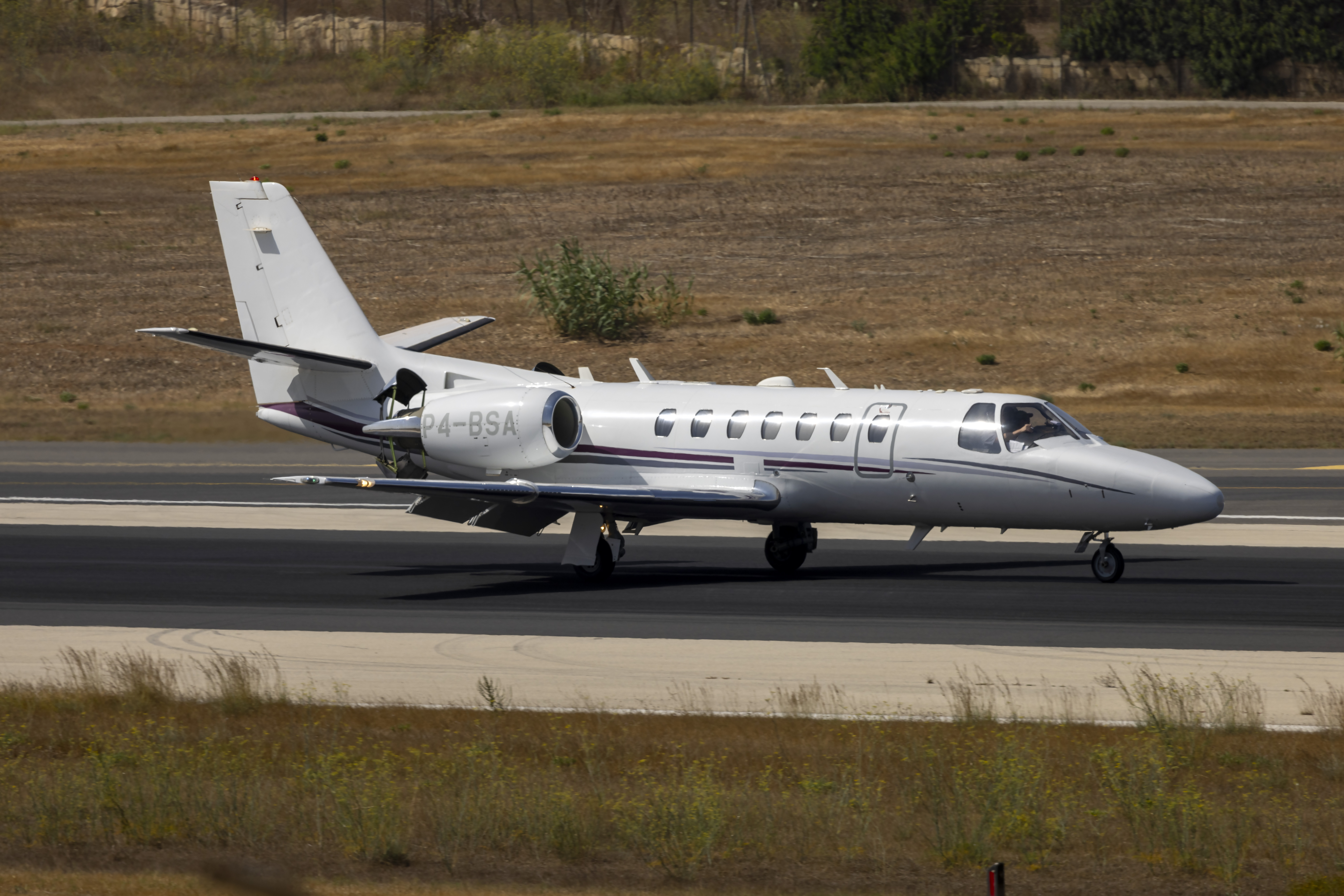
For the aerospace sector, Gripen is the most recognizable platform named in the package, yet it is also where the unanswered questions are most consequential. Without an aircraft count, variant, contract structure or delivery plan, the payment cannot establish the size of a possible fleet or the associated training and sustainment burden.
The confirmed development is therefore financial and programmatic: the EU has released another major tranche and expanded Ukraine’s capacity to procure drones, missiles, air-defense equipment and fighters. The next meaningful milestones will be the product schedules, contract awards and delivery plans that translate that financing into defined hardware and industrial workload.
By David Whitaker — Associate editor for AMI’s aerospace and drone systems desk, translating flight systems, aircraft programs, spaceflight, and UAV developments into accessible technical stories.