Qatar-Origin Air Force One Faces More Work After $400 Million Rapid Conversion
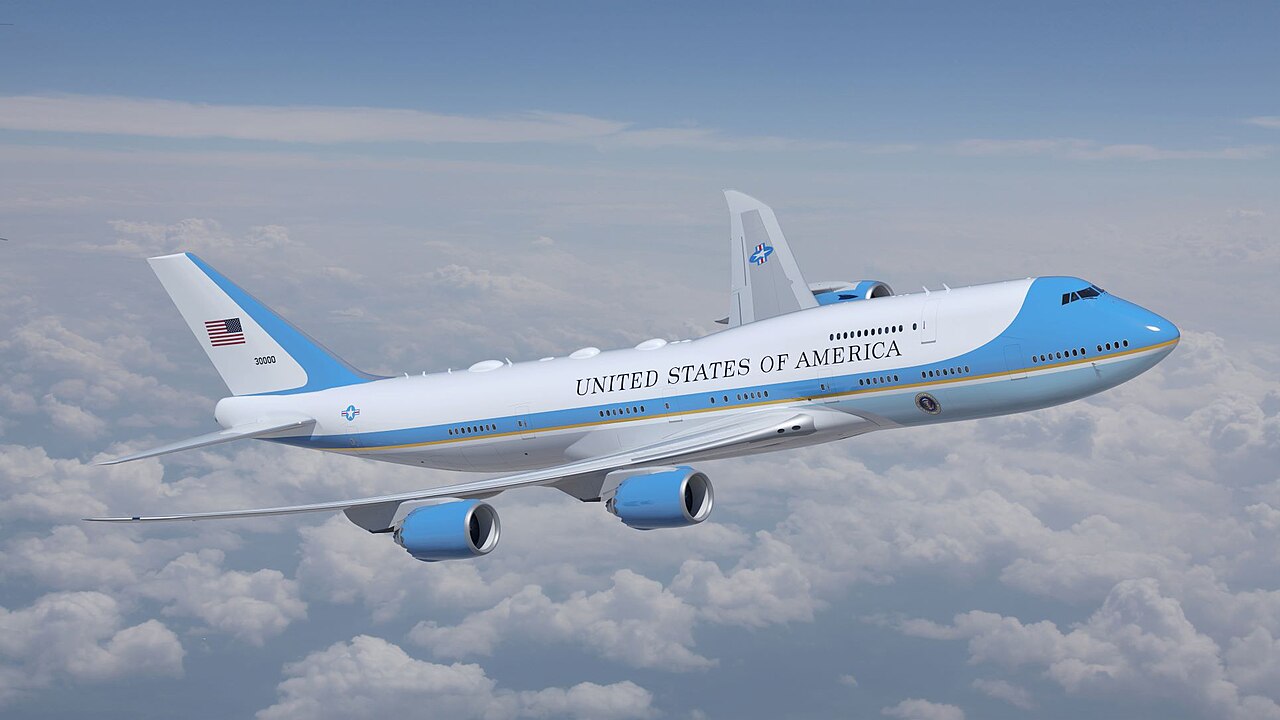
The Qatar-origin Boeing 747-8 serving as a temporary presidential aircraft is scheduled to undergo more modifications this fall after Air Force officials priced its rapid initial conversion at $400 million. In July, the White House said the coming work should take about a month, while the Pentagon classified its cost, according to a report on the modification plan. The combination leaves taxpayers with a confirmed first-stage bill but no public price for the next phase.

Known as the VC-25B Bridge, the aircraft has flown a handful of presidential trips since July 1, with one of the older VC-25A jets available as a backup. The bridge aircraft gives the Air Force another 747 for presidential travel while Boeing completes two purpose-built replacements, but it does not reproduce every capability or logistical feature of the existing fleet.
A rapid conversion buys time, not identical capability
Converting an existing luxury 747-8 is fundamentally different from developing and certifying a presidential aircraft around a dedicated mission specification. The bridge jet retains much of its original cabin, has no dedicated press compartment and carries one set of internal air stairs. It therefore needs additional mobile stairs on the ground. The older VC-25As have at least two sets of self-deploying stairs as well as their own baggage-handling systems.
Those differences can look minor beside the larger security questions, but they illustrate the operating cost of a compressed conversion. Self-contained equipment reduces dependence on compatible airport support, while a purpose-designed interior can organize passengers, communications, work areas, food storage and support functions around repeatable missions. Retaining a luxury cabin saves redesign time, but it also preserves a layout created for a different customer and operating concept.
The Air Force has not disclosed the bridge aircraft’s medical facilities. Officials have said its principal similarity to the older presidential jets is secure communications equipment that allows the president to perform official duties while airborne. Specific defensive systems remain appropriately undisclosed, and a one-month modification window does not by itself establish what equipment will be added.
Former Air Force Secretary Frank Kendall questioned broad descriptions that the aircraft could be “maxed out” during such a short period. I’m sure there’s some things that can be done in that kind of time frame, he said, while calling that characterization too broad. That is an engineering boundary rather than proof of a particular deficiency: substantial aircraft modifications can require structural work, wiring, power and cooling provisions, software integration, ground testing, flight testing and airworthiness approval.
Range flexibility is another visible compromise
The bridge aircraft cannot refuel in flight. The older VC-25As can, although the Air Force previously removed aerial refueling from the requirements for the two forthcoming VC-25Bs. That decision means the bridge jet’s limitation is not merely an artifact of its rapid conversion; it also reflects how the next presidential-airlift fleet is being scoped.
Without aerial refueling, mission planning must rely on the aircraft’s unrefueled range and suitable ground stops. The practical consequence is less routing flexibility on unusually long missions, balanced against avoiding the cost, weight, certification work and operational complexity of installing and maintaining a specialized refueling system.
The bridge aircraft is also not believed to have shielding equivalent to the VC-25As against the effects of a nuclear explosion. That broad distinction should not be expanded into assumptions about undisclosed systems or specific operating vulnerabilities. It does, however, reinforce the central procurement point: the $400 million conversion produced an interim transport, not a complete substitute for an aircraft designed from the outset around the full presidential mission.
The bridge exists because the permanent program is late
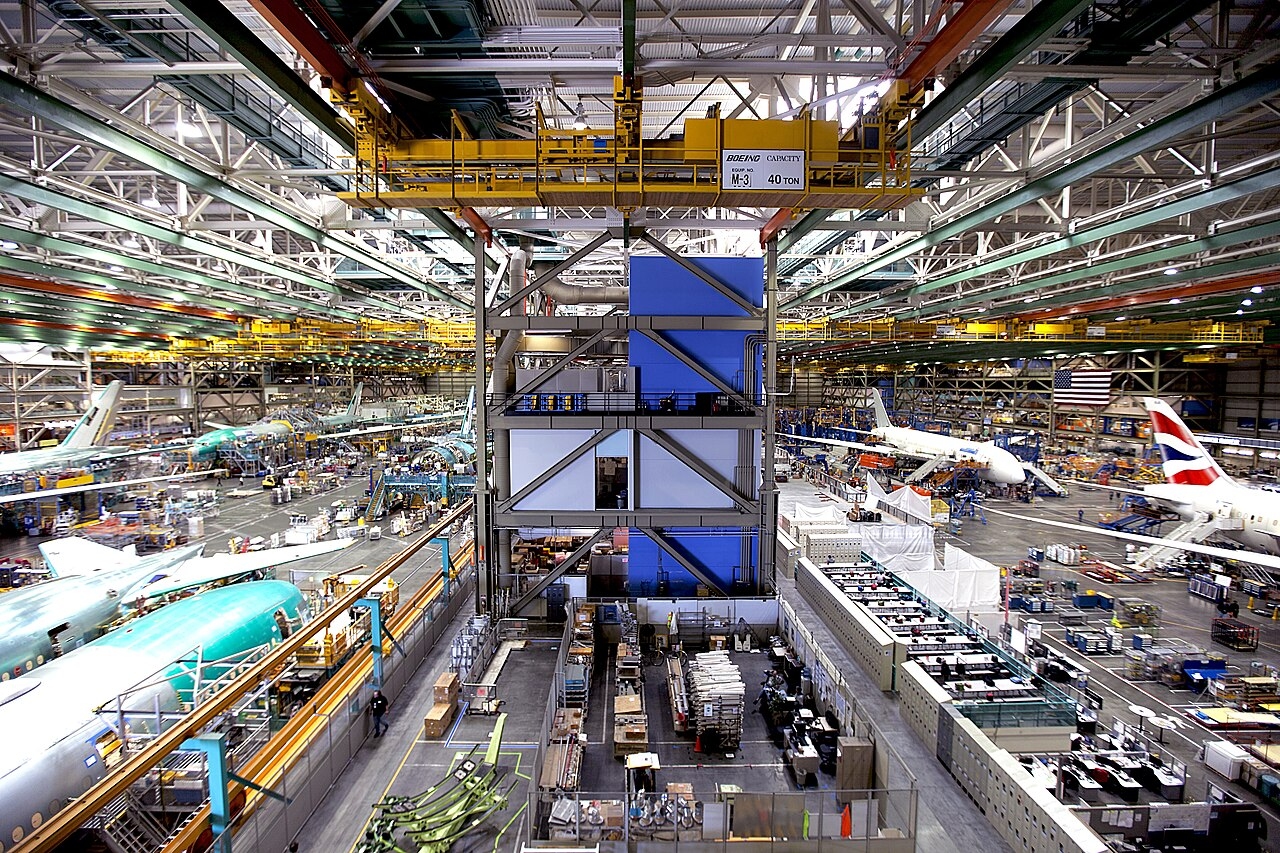
Boeing received a nearly $4 billion fixed-price Air Force contract in 2018 to develop two purpose-built VC-25Bs from 747-8 airframes. Deliveries were then expected in 2024. Boeing now says the first aircraft will arrive in 2028, and the company is adding resources to protect that schedule.
The certification burden helps explain the difference between the programs. Boeing disclosed a further $280 million charge in July tied to higher estimated costs for structural work, wiring installation and airworthiness certification. Its reported losses on the fixed-price program now exceed $3 billion, although those corporate losses are distinct from the government’s separate spending on the bridge aircraft.
Even the infrastructure overlaps. The temporary jet is housed at Joint Base Andrews in a custom hangar that cost $300 million and was built for the next-generation fleet. That makes the bridge part of a larger transition involving three aircraft standards: the aging VC-25As, the rapidly converted Qatar-origin 747 and Boeing’s delayed purpose-built replacements.
The $400 million retrofit bought the Air Force schedule relief and another usable presidential transport. What it did not buy was full equivalence with the older fleet or an end to modification spending. The bridge aircraft’s real value and its limitation is in the name: it covers a widening delivery gap while the slower work of integration, testing and certification continues on the permanent aircraft.
By David Whitaker — Associate editor for AMI’s aerospace and drone systems desk, translating flight systems, aircraft programs, spaceflight, and UAV developments into accessible technical stories.