Older Air Force One Replaces $1 Billion Converted 747 for Turkey Departure
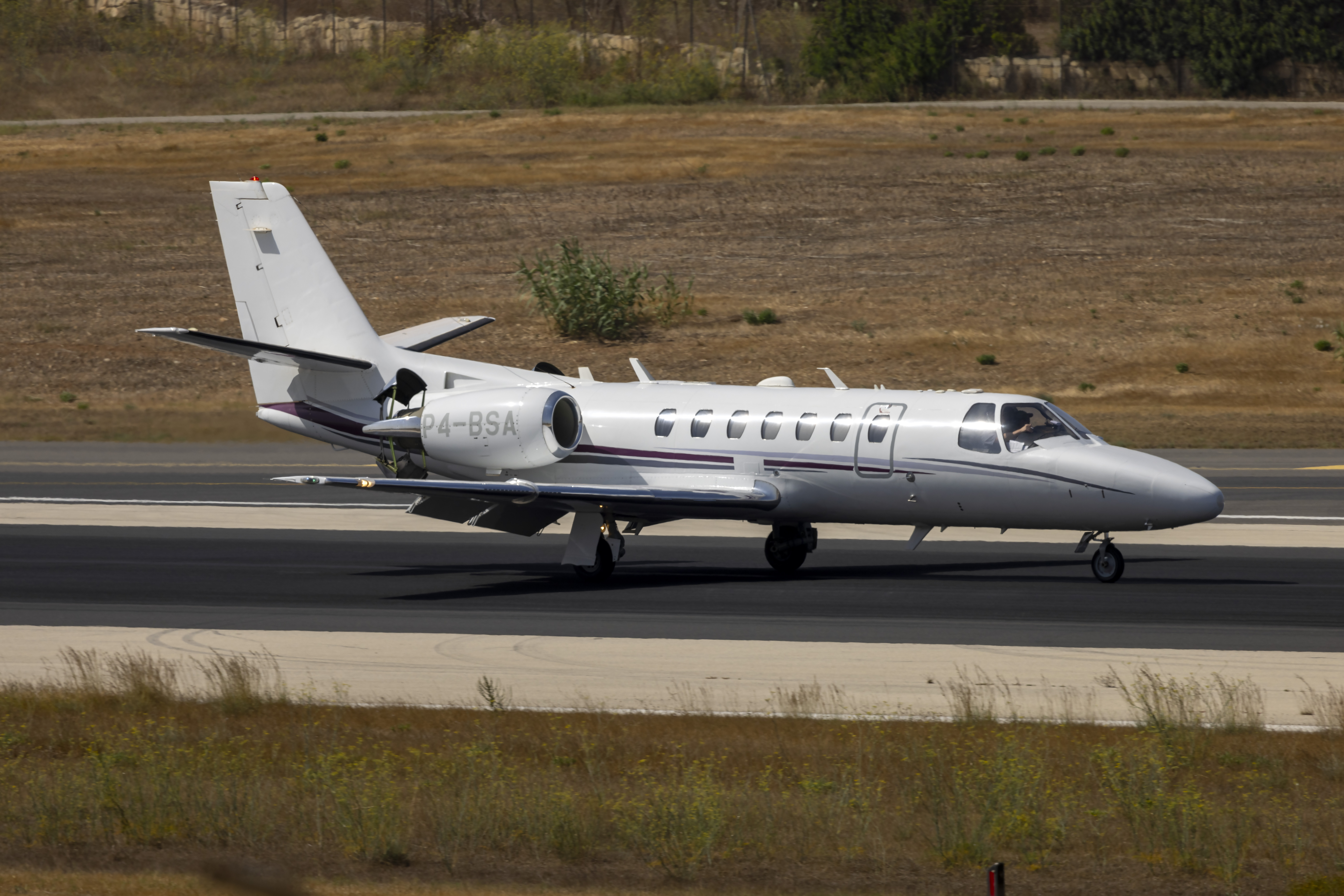
President Donald Trump left Turkey aboard an older Air Force One on July 8 instead of the recently converted Boeing 747 donated by Qatar, while the newer aircraft traveled separately to RAF Mildenhall in Britain for U.S. service members to tour. Trump publicly described the switch as being “for old time’s sake,” according to a Reuters account of the trip. The move put renewed attention on an accelerated conversion that some lawmakers estimate cost more than $1 billion, although that figure is not a confirmed or audited program total.

Trump later boarded the converted aircraft in Britain for the return flight to Washington. Asked whether a threat from Iran influenced the initial aircraft change, he did not directly confirm that it had. There is therefore no established basis for attributing the switch to a specific security threat.
A bridge aircraft built around a schedule problem
The converted 747 exists because the permanent Air Force One replacement program has developed a four-year schedule gap. Boeing is modifying two 747-8 aircraft under a $3.9 billion fixed-price contract signed in 2018, but deliveries once expected in 2024 are now not anticipated until mid-2028.
Those purpose-built aircraft must combine the structure and flight systems of a commercial widebody with specialized communications, electrical, mission and presidential-support equipment. Boeing’s latest charges illustrate how deeply that work reaches into the airframe. The company recorded another $280 million loss tied partly to higher estimated costs for structural work, wiring installation and airworthiness certification, FlightGlobal reported. Boeing’s accumulated losses on the fixed-price program have reached roughly $3.2 billion, while reported overall program costs have moved beyond $5 billion.
That distinction matters for taxpayers. A fixed-price contract generally places much of the overrun exposure on the contractor, and Boeing has recorded billions in charges. It does not mean the government faces no additional spending around the broader presidential-aircraft effort, however. The interim conversion, communications equipment, support and other separately authorized work can carry their own costs.
Speed changes the engineering scope
L3Harris Technologies completed the bridge-aircraft conversion on an accelerated schedule. Publicly described work included security upgrades, protected communications and missile-defense capabilities. The Air Force also skipped some modifications envisioned for Boeing’s permanent replacement aircraft so the interim jet could enter service sooner.
That is the central engineering tradeoff: an interim conversion can restore capacity faster only by controlling its scope. It does not need to duplicate every feature, installation method or long-duration requirement of an aircraft being developed as the next permanent presidential platform. Air Force Secretary Troy Meink said the service “meticulously evaluated every requirement” and that the converted aircraft meets presidential standards. Lawmakers have separately raised security and cost concerns, but those concerns do not by themselves establish that the aircraft is unsafe or unqualified for its assigned mission.
The reported conversion estimate above $1 billion should likewise remain attributed to lawmakers. Without a confirmed program total and a public accounting of which modifications, support activities and government-furnished systems are included, it cannot be treated as a final conversion bill. Even so, the estimate shows why an accelerated bridge aircraft is receiving scrutiny: speed may reduce pressure on the existing fleet, but specialized integration on a one-off presidential transport is neither simple nor inexpensive.
The older fleet remains part of the plan
The Turkey departure also demonstrated why the legacy aircraft cannot disappear as soon as a bridge jet enters service. A second aircraft capable of operating as Air Force One remains on standby during presidential travel. That redundancy supports continuity when an aircraft needs maintenance, repositioning or other planned attention; the available information does not establish which of those considerations, if any, drove this particular switch.
For the presidential-airlift mission, “older” does not mean immediately obsolete. The existing aircraft remain operationally necessary because Boeing’s replacements are years late and the interim 747 adds capacity without yet eliminating the need for backup coverage. Maintaining multiple aircraft also brings continuing demands for crews, parts, inspections and mission-system support across different configurations.
The converted 747 is best understood as schedule insurance, not a clean fleet replacement. It buys the Air Force time while Boeing completes structural modification, wiring, testing and certification on the permanent aircraft. The July 8 switch made the practical limit of that bridge visible: even after a costly, fast-tracked conversion enters service, reliable presidential airlift still depends on keeping the older Air Force One fleet ready.
By David Whitaker — Associate editor for AMI’s aerospace and drone systems desk, translating flight systems, aircraft programs, spaceflight, and UAV developments into accessible technical stories.