Army’s $58.6 Billion Patriot Deal Targets 2,000 Interceptors a Year
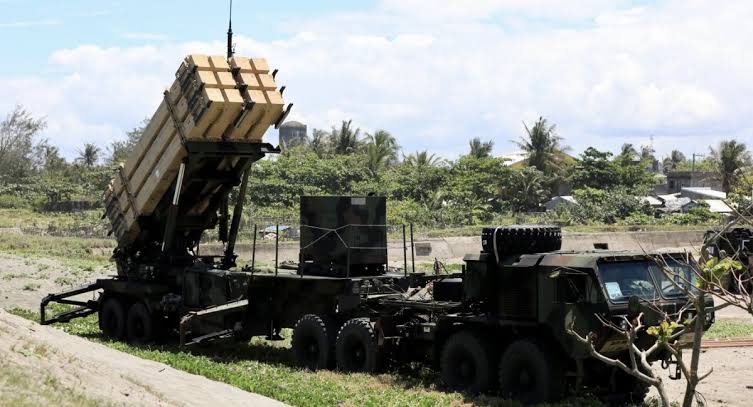
The U.S. Army awarded Lockheed Martin a seven-year Patriot interceptor arrangement worth up to $58.62 billion on July 29, expanding an April agreement from one fiscal year to a procurement plan covering fiscal 2026 through 2032. The official contract notice, published July 30, says the modification covers the hardware, equipment and manufacturing work needed to produce PAC-3 Missile Segment Enhancement interceptors. Lockheed says the longer commitment supports its goal of reaching roughly 2,000 interceptors annually by the end of 2030.

The headline number requires an important qualification: $58.62 billion is the contract’s cumulative ceiling, not money paid immediately. The July modification adds up to $53.86 billion to the initial $4.7 billion action awarded in April, and the Army reported that no funds were obligated when the modification was issued. Congressional appropriations, negotiated quantities and delivery orders will determine how much work proceeds and when.
A long demand signal, not instant production
For a missile production line, seven years of expected demand can be more useful than a succession of annual awards. Suppliers are more likely to add tooling, qualify additional processes, hire workers and place long-lead material orders when they can see a sustained order book. That is the industrial logic behind converting the one-year action into a multiyear arrangement.
It does not eliminate the physical constraints. PAC-3 MSE is a hit-to-kill interceptor designed to counter ballistic missiles, cruise missiles and aircraft within the Patriot system. Expanding output involves far more than increasing final assembly speed: the production network must deliver qualified components, propulsion hardware, electronics and other equipment at matching rates. Industry executives have said larger investments in components and manufacturing capacity still depend on Congress providing funds.
Lockheed plans to triple PAC-3 MSE production capacity by the end of 2030 and has previously set a goal of producing about 2,000 interceptors per year. The company also plans to increase employment at its Camden, Arkansas, operation from approximately 1,200 to 1,850, a gain of about 50%. Camden performs final all-up-round production, making its expansion a visible part of the plan, but final assembly cannot outrun the slowest qualified supplier upstream.
The broader capital program is substantial. Lockheed says it will invest $8 billion to $9 billion through 2030 to modernize more than 20 U.S. facilities, including new munitions centers in Alabama and Arkansas. The Army’s notice lists work across 15 states and gives an estimated contract completion date of March 31, 2035. That date extends beyond the fiscal 2026-2032 procurement window, illustrating the difference between placing multiyear demand and completing the resulting manufacturing effort.
The public cost still lacks a complete delivery picture
The ceiling is large enough to demand clarity on quantities, delivery timing and appropriated funding. Exact delivery terms for multiple Pentagon munitions agreements remain under negotiation, and the available notice does not provide a total interceptor quantity. Without that figure and the final mix of hardware and manufacturing work, dividing $58.62 billion by a presumed missile count would produce a misleading unit price.
The readiness argument is straightforward but should also be properly attributed. The Center for Strategic and International Studies estimates that the U.S. military has fewer than 1,000 Patriot interceptors and fewer than 250 interceptors for the Terminal High Altitude Area Defense system. Those are think-tank estimates, not confirmed Pentagon inventory figures. Recent U.S. operations and transfers to allies nevertheless provide the policy rationale for seeking a larger and more durable production base.
The affected groups extend beyond the Army. U.S. forces and allied Patriot operators stand to benefit if output and replenishment improve. Manufacturers and communities hosting expanded facilities could gain sustained work. The tradeoff falls on Congress and taxpayers, who must weigh interceptor procurement against other readiness, modernization and personnel requirements while ensuring that a large ceiling translates into measurable deliveries rather than capacity plans alone.
The agreement therefore establishes something important but narrower than a guaranteed inventory surge. It gives Lockheed and its suppliers a seven-year demand signal and room to build toward 2,000 interceptors annually. Whether that target becomes dependable output will be decided by appropriations, component investment, qualified capacity and finalized delivery schedules the less visible engineering and procurement work behind the $58.6 billion ceiling.
By David Whitaker — Associate editor for AMI’s aerospace and drone systems desk, translating flight systems, aircraft programs, spaceflight, and UAV developments into accessible technical stories.