Pentagon Seeks 3,203 Patriot and 857 High-Altitude Defense Interceptors, Timetable Unclear
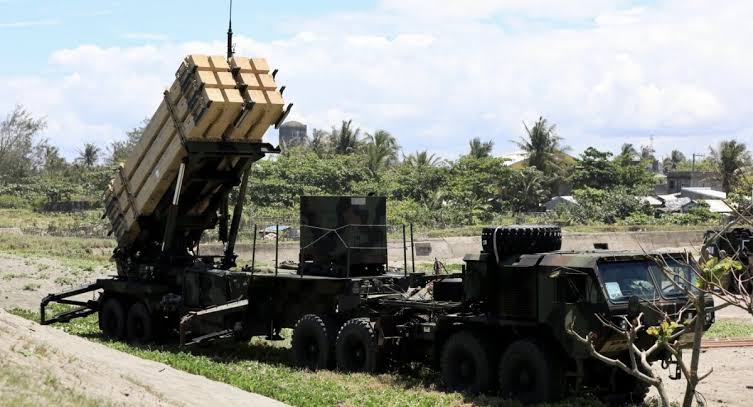
The Pentagon’s fiscal 2027 budget requests 3,203 Patriot PAC-3 Missile Segment Enhancement interceptors, up from 341 in fiscal 2026, and 857 Terminal High Altitude Area Defense interceptors, up from 37. Those totals an 839% increase for PAC-3 MSE and a 2,216% increase for THAAD combine mandatory and discretionary funding requests documented in the Congressional Research Service’s fiscal 2027 weapons-funding review.
These are requested procurement quantities, not commitments that industry has accepted or interceptors that factories have delivered. Manufacturing lead times for the class of systems have been reported at 25 to 51 months, meaning the proposed purchase cannot translate directly into near-term inventory. Congress must provide the money, manufacturers must invest in facilities and labor, and framework agreements must be converted into funded follow-on contracts before the higher demand can become sustained output.
The central unanswered question is therefore not whether the Pentagon wants more interceptors. The budget establishes that clearly. It is whether the industrial system can turn an extraordinary one-year request into completed hardware and on what schedule.
The budget separates demand from delivery
The fiscal 2027 request illustrates how much of the planned increase depends on funding outside the conventional discretionary procurement request. For PAC-3 MSE, the Pentagon requested 267 interceptors through discretionary funding and another 2,936 through mandatory funding. For THAAD, the split is 27 discretionary interceptors and 830 mandatory interceptors.
That distinction matters because different portions of the request move through different congressional processes. Authorization can permit spending, but appropriations or other enacted funding must make the money available. Congress can approve, reduce, restructure or reject requested amounts. Until those decisions are complete, the headline quantities remain a statement of intended demand rather than a production order.
The Pentagon has already tried to give manufacturers a longer planning horizon. Seven-year agreements announced in August are designed to increase production capacity for PAC-3 MSE and THAAD components. The official announcement says their funding remains subject to annual appropriations, even as the agreements establish minimum annual procurement quantities intended to support investment in facilities, materials and workforce.
That structure reduces some risk for suppliers, but it does not erase manufacturing time. Missile-defense interceptors require multiple specialized assemblies, qualified suppliers, controlled production processes and extensive acceptance testing. Increasing nominal capacity can involve new equipment, construction, hiring, training and supplier qualification before finished-system output rises. A contract award can start that process; it is not proof that the process is complete.
Capacity goals are not measured output
The Pentagon’s earlier industrial plans called for roughly tripling annual PAC-3 production and quadrupling THAAD output. Previous measures sought to raise Lockheed Martin’s annual PAC-3 MSE capacity from about 600 interceptors to nearly 2,000. Long-term agreements with Lockheed Martin, Northrop Grumman and other suppliers are intended to broaden production of propulsion hardware and structural components across the two programs.
Those moves address the supply side, but the public announcements have not provided a completion timetable for achieving the planned production rates. Nor have they established how the requested fiscal 2027 quantities would be distributed across delivery years. Even a factory operating at a higher annual rate would need time to work through an order measured in the thousands, particularly while serving both U.S. requirements and foreign military sales.
The fiscal 2027 quantities also exceed the annual capacity levels previously discussed for PAC-3. A goal of nearly 2,000 PAC-3 MSE interceptors per year would be a substantial increase over the earlier figure of about 600, but it would still be below the 3,203 interceptors requested in this budget if all were expected within one year. The available information does not establish that they are.
Progress will be measurable when the Pentagon or its contractors disclose funded capacity milestones, annual delivery profiles and demonstrated production gains. Supplier additions and multiyear agreements can create the conditions for higher output, but the 25-to-51-month lead-time range keeps the practical constraint in view: the fiscal 2027 request defines the scale of the requirement without saying when 4,060 additional Patriot and THAAD interceptors would reach military inventories.
| More aerospace and engineering stories, right in your MSN feed. Follow AMI on MSN |
By David Whitaker — Associate editor for AMI’s aerospace and drone systems desk, translating flight systems, aircraft programs, spaceflight, and UAV developments into accessible technical stories.