Russia Buys Back Gasoline Refined in India From Its Crude as August Fuel Imports Hit 172,000 Tonnes
Russia imported a record 172,000 tonnes of refined fuel in August 2026, more than seven times its previous monthly high, according to an analysis by the Centre for Research on Energy and Clean Air. The reversal followed sustained Ukrainian drone strikes against Russian refineries and shows how disruption inside a large refining network can force an oil exporter to seek finished products abroad.
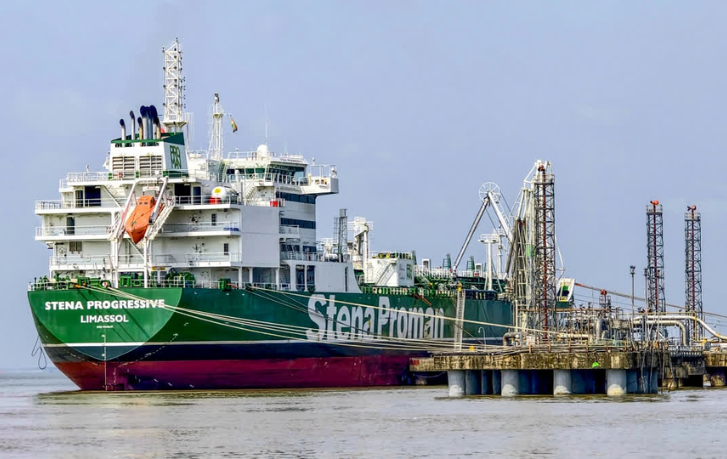
Russia sourced fuel from South Korea and bought back gasoline refined in India from Russian crude as refinery disruption, domestic demand and export restrictions tightened supplies. The Indian shipments are especially notable: crude that Russia could export still had to be processed overseas and returned as road fuel, adding transportation and processing steps to a supply chain previously centered on domestic refineries.
The 172,000-tonne total was three times Russia’s entire fuel-import volume for 2025. Gasoline represented 74% of August imports, compared with only 6% between 2023 and 2025. India supplied 70% of the imported oil products and 94% of the imported gasoline, including 120,000 tonnes from the Vadinar refinery. That facility obtained all its crude from Russia during the first eight months of 2026, according to the analysis.
South Korea supplied another 18,000 tonnes, mostly gasoil. That was eight times the three-year monthly average and 41% above the previous post-invasion monthly record set in July. These shipments served Russia’s Pacific side, where long internal distances can make imported supply more practical than moving replacement fuel across the country.
A refining problem becomes a logistics problem
Crude production and usable motor fuel are not interchangeable. Refineries separate crude and run it through additional processing units to produce gasoline, diesel and other products at the required quality. A country may therefore continue exporting crude while facing a shortage of specific refined fuels if enough processing capacity is unavailable or unreliable.
Imports can cover part of that gap, but they purchase resilience at a cost. Overseas refining, longer voyages, cargo handling and delivery from ports to regional distribution networks all add complexity. Imported cargoes also arrive in batches rather than through the continuous output of a domestic refinery, making them less flexible when shortages are spread across a country of Russia’s scale.
The industrial pressure is cumulative rather than attributable to one attack. At least 21 attacks on Russian refineries were reported from the beginning of August, including attacks on four of the country’s 10 largest refineries. The International Energy Agency has said Russia historically operated about 6.5 million barrels per day of installed refining capacity across 32 major facilities. Repeated interruptions across that network can affect production planning, maintenance and distribution even when individual plants later return to service.
This is also a readiness problem for the drone-defense and repair system surrounding the refining sector. Protecting a geographically dispersed network requires defenses, monitoring and restoration resources at many facilities rather than one concentrated site. At the same time, refiners must decide whether to conduct scheduled maintenance, defer work to preserve output or restart equipment following disruption. Those choices can support immediate supply while increasing the burden on maintenance organizations and replacement-part inventories.
The import record does not by itself establish the condition of any particular refinery. Independently verified plant-by-plant damage, inventories, production losses and recovery schedules remain limited. Fuel imports can also respond to seasonal demand, regional transportation constraints and precautionary purchasing. The strongest supported conclusion is narrower: imports rose far beyond their previous range while repeated refinery disruption, domestic shortages and export controls were being reported.
Drivers see the downstream effects
The reported consequences have reached Moscow and Moscow Oblast, where queues of 30 to 50 vehicles were described at some filling stations. Partial sales restrictions were introduced in 16 regions, while restrictions of some kind were reported across dozens of regions. Independent stations reportedly charged around 100 roubles per litre or more, compared with less than 80 roubles at major oil companies operating their own refineries.
Those conditions affect more than 50 million Russian drivers and their families, according to the reporting. The disparity between independent stations and vertically integrated oil companies also illustrates the value of controlling both refining and retail distribution: operators with their own production have more options for allocating scarce supply than retailers dependent on wholesale purchases.
Imports remain small relative to Russia’s overall fuel system, so they are better understood as a pressure indicator than a complete replacement for domestic output. The next constraint is timing. Autumn demand could overlap with scheduled maintenance at major Russian refineries and at one refinery in Belarus that has supplied Russia. If domestic processing does not recover sufficiently, August’s unusual overseas purchases may prove to be the start of a longer logistical requirement rather than a one-month exception.
| More aerospace and engineering stories, right in your MSN feed. Follow AMI on MSN |
By Stephen Wallace — Editor for AMI’s aerospace integration and unmanned mobility coverage, focused on drone manufacturing, VTOL systems, autonomous networks, and air-ground mobility links.