Ukraine Has 60 Interceptor Developers, but Few Show Jet-Drone Results
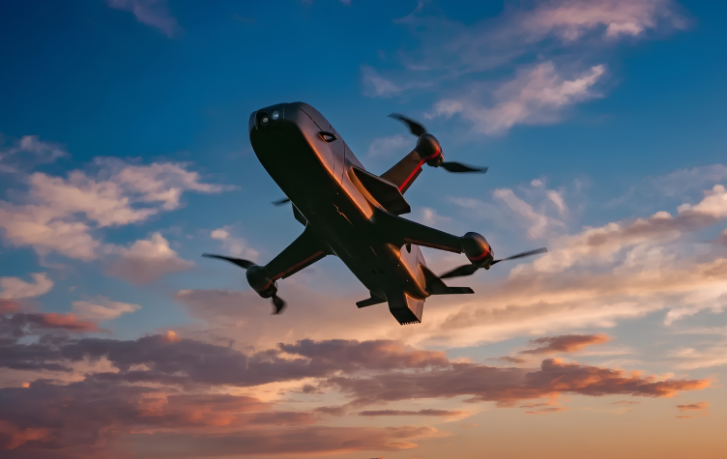
More than 60 Ukrainian defense producers are racing to develop drone interceptors, but President Volodymyr Zelenskyy says only three to five companies have shown results. Mass production is still the next step, leaving a wide gap between the number of projects under development and the number approaching useful scale.
That gap matters because the latest Geran-5 is reported to reach up to 600 kilometers per hour, while many Ukrainian interceptor drones fly at roughly 300 kilometers per hour. Unable to catch the newest jet-powered models with much of its current interceptor inventory, Ukraine is still using fighter aircraft in the defensive effort.
The central challenge is no longer simply whether an interceptor can be made to fly. It is whether a complete counter-drone system can detect, identify, pursue and stop a faster target reliably and then be manufactured in sufficient quantities to answer large barrages without consuming more scarce air-defense resources.
The scale cited by Ukrainian officials makes that industrial requirement unusually demanding. Zelenskyy said Russia launched nearly 1,500 drones between Thursday and Sunday, including about 800 jet-powered models. Those figures are Ukrainian government claims and have not been independently verified here, but they establish the volume Kyiv says its defenses are being asked to manage.
At that scale, a successful demonstration is only an early gate. A producer must convert a prototype into a repeatable design, stabilize component supply, establish quality control and give operators equipment that performs consistently outside a controlled trial. Zelenskyy’s statement that three to five companies have shown results does not include performance data, production totals or deployment schedules, so it cannot establish how close any design is to sustained operational output.
There is also a distinction between four domestic interceptor designs described as being under development and the broader field of more than 60 producers pursuing solutions. The smaller number reflects the candidates most visibly associated with this particular effort; the larger figure describes the wider development race. One design has been described as the most promising, but no comparative test data have been released.
Speed is the clearest publicly reported constraint, though not the only one. An interceptor that is slower than its target begins with a severe disadvantage. Yet headline speed alone does not establish readiness: detection range, warning time, guidance, control reliability and integration with the broader air-defense picture determine whether the vehicle can be placed in a useful position. A Belfer Center analysis of European drone defense similarly argues that building the interceptor is only one part of the identification-to-interception chain.
For manufacturers, the reported 600-kilometer-per-hour target speed also raises difficult propulsion and structural demands. More speed generally requires more power and can reduce endurance or increase cost, while the airframe and control system must remain stable under higher loads. Those tradeoffs help explain why a crowded development field can narrow quickly when prototypes move from basic flight to repeatable interception performance.
The continued use of fighters shows the readiness consequence. Fighters can address targets that slower interceptors cannot catch, but relying on crewed aircraft does not solve the requirement for a scalable, lower-cost defensive layer. It also means the interceptor program must mature while the existing air-defense network continues carrying the immediate burden.
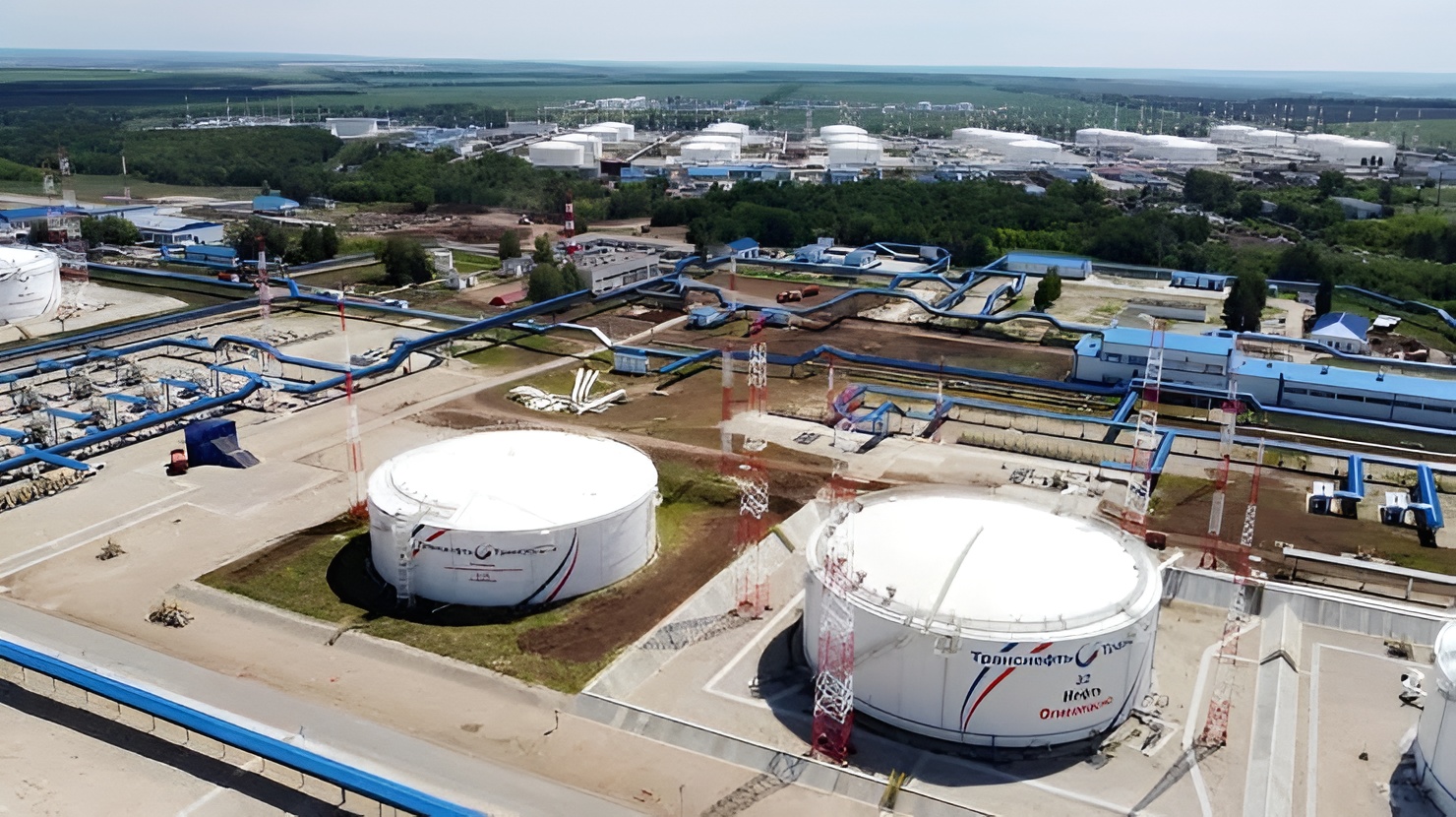
The pressure is visible beyond the air-defense system. Repeated strikes on warehouses and food distribution centers in the Brovary and Boryspil areas near Kyiv wounded four people and left some supermarket shelves empty, according to Ukrainian officials. Producers and retailers have begun restructuring supply chains, including more direct deliveries and smaller decentralized warehouses. Those approaches reduce dependence on large distribution nodes, but require more vehicles, drivers and transport time.
An overnight drone attack also damaged an energy facility in the Chernihiv region, according to Ukrainian reporting, while Moscow said it was preparing “massive strikes” against Ukraine’s power grid. These claims arise from an active conflict and require attribution, but together they illustrate why interceptor production is a civil-resilience issue as well as an air-defense procurement problem.
Ukraine’s next meaningful milestone is therefore not another developer entering the race. It is evidence that one or more of the three to five designs Zelenskyy says have produced results can move into repeatable mass production, integrate with detection and command systems, and operate against jet-powered drones at the scale Kyiv reports facing.
| More aerospace and engineering stories, right in your MSN feed. Follow AMI on MSN |
By Stephen Wallace — Editor for AMI’s aerospace integration and unmanned mobility coverage, focused on drone manufacturing, VTOL systems, autonomous networks, and air-ground mobility links.