B-52’s $21 Billion Overhaul: Key Upgrades Three Years Late, 30% Costlier
The U.S. Air Force plans to spend $21 billion preparing the B-52 Stratofortress to serve into the 2050s, but the bomber’s two largest upgrades are already more than three years late and each has risen over 30% in cost. A Government Accountability Office review found that the engine and radar projects also face performance problems, concentrating much of the modernization program’s risk in its most expensive work.

The engine and radar efforts represent more than 88% of planned modernization spending, or over $18 billion. They are part of 13 projects covering propulsion, radar, communications, software and weapon systems. Ten of the 13 are experiencing cost growth, schedule delays, performance challenges or some combination of those problems, according to details from the government audit.
New engines change more than propulsion
Replacing an aircraft’s engines is not equivalent to exchanging one self-contained component for another. The propulsion system must work with the airframe’s aerodynamics, mounts, controls, electrical architecture and other subsystems across the aircraft’s operating envelope. On the B-52, that integration work is being performed on a design that first flew in 1952.
A 2023 wind-tunnel test illustrates the resulting development risk. Testing identified an airflow issue that could cause a replacement engine to stall in flight. The finding delayed the engine effort by approximately one year and added costs. Discovering the problem during development is precisely what ground testing is intended to accomplish, but correcting it still affects design work, validation and the sequence of later testing.
Schedule pressure creates another concern: beginning production around the same time as developmental testing. That overlap can accelerate delivery if the design performs as expected. If testing instead reveals changes, components already produced or installed may require rework. GAO therefore proposed that the Air Force reassess development and production risks before proceeding. That recommendation is an oversight proposal, not an indication that the service has adopted a new production plan.
Radar work adds a second integration burden
The radar upgrade carries its own design and installation challenges while competing for access to the same limited fleet. Like the engine project, it has increased more than 30% in cost and slipped by more than three years from the original estimate. The two upgrades together are not isolated purchases; they must fit within a broader aircraft configuration that is simultaneously receiving changes to software, communications and other systems.
That concurrency matters because one modification can affect space, wiring, cooling, electrical power, testing or maintenance access needed by another. Managing 13 separate efforts on a common aircraft requires strict configuration control so that a change approved by one project does not create unexpected work elsewhere. GAO’s proposal to consider greater use of available digital-engineering tools addresses that coordination problem. Shared digital models can help teams evaluate interfaces and supportability earlier, although they cannot replace physical tests or erase uncertainties associated with an aging airframe.
Depot capacity connects modernization to readiness
The limiting resource is not only engineering time. B-52s undergoing modification must share crowded depot facilities and maintenance labor with aircraft arriving for routine work. A longstanding spare-parts shortage and labor-intensive repairs to the bomber and its existing engines have already kept aircraft in hangars longer and reduced mission readiness.
This creates a direct tradeoff for operators and taxpayers. Accelerating modifications can occupy depot space needed to return other aircraft to service, while postponing upgrades leaves maintainers supporting older equipment for longer. A delay in the engine program is especially consequential because the Air Force must sustain the existing engines until replacements are available. The service therefore has to align engineering schedules with parts inventories, trained labor, hangar capacity and recurring maintenance not simply with contract milestones.
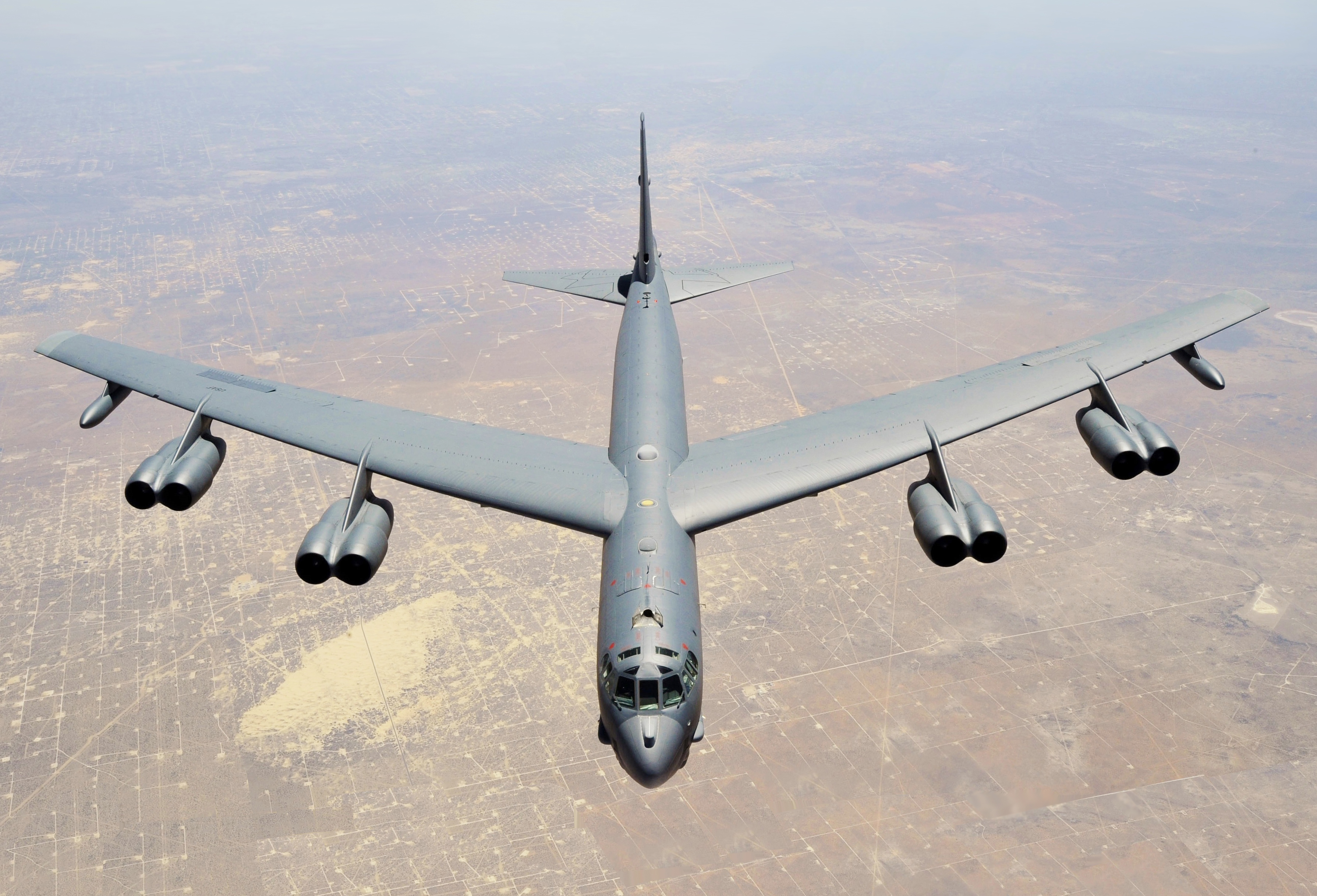
The scale of that challenge explains why the Air Force is still investing in a roughly 70-year-old design. About 75 B-52s remain flying from nearly 750 produced, and the service says the aircraft complements newer bombers while remaining part of the U.S. nuclear triad. According to the Air Force, it can fly 8,800 miles without refueling and carry as much as 70,000 pounds.
GAO has proposed examining depot capacity and maintenance constraints alongside development and production risk. Whether the $21 billion life extension stays near its revised path will depend not only on making the new engines and radar work, but on moving more than 70 old aircraft through testing, modification and routine maintenance without allowing one queue to overwhelm the others.
By David Whitaker — Associate editor for AMI’s aerospace and drone systems desk, translating flight systems, aircraft programs, spaceflight, and UAV developments into accessible technical stories.