Canada’s C$2.3 Billion Telesat Deal Adds 69 Satellites Before 2028 Service
C$2.3 billion is buying Canada more than communications service: it will fund 69 additional Telesat Lightspeed satellites for military connectivity in the Arctic. The contract awarded by Canada’s Defence Investment Agency expands the planned low-Earth-orbit constellation from 156 to 225 spacecraft, but operational service is not expected to begin until 2028.

The initial agreement includes two optional five-year periods worth approximately C$200 million each, potentially lifting its total value to C$2.7 billion and extending service to as long as 15 years. Telesat says the larger constellation will provide about 44 percent more network capacity. Initial military coverage is intended to span 65 to 90 degrees north latitude.
The satellite count changes the production program
Adding 69 spacecraft is a substantial industrial commitment, not a software-only capacity upgrade. MDA Space will build the additional satellites at its Montreal production facility, extending a manufacturing campaign that already covers Lightspeed spacecraft in production.
There is an important distinction between the constellation’s service baseline and MDA Space’s existing manufacturing order. Telesat describes the funded network as growing from 156 to 225 satellites. MDA, however, says its production contract had already covered 198 spacecraft, so the latest manufacturing increase is 27 satellites. Its contract value rises by C$474 million, a figure that also includes military communications capacity added to satellites already being built and other long-lead items.
That arrangement shows how the Canadian procurement is reshaping spacecraft already in the factory pipeline as well as adding new units. It also raises the execution burden: more hardware must be built, tested, launched and incorporated into the same network schedule.
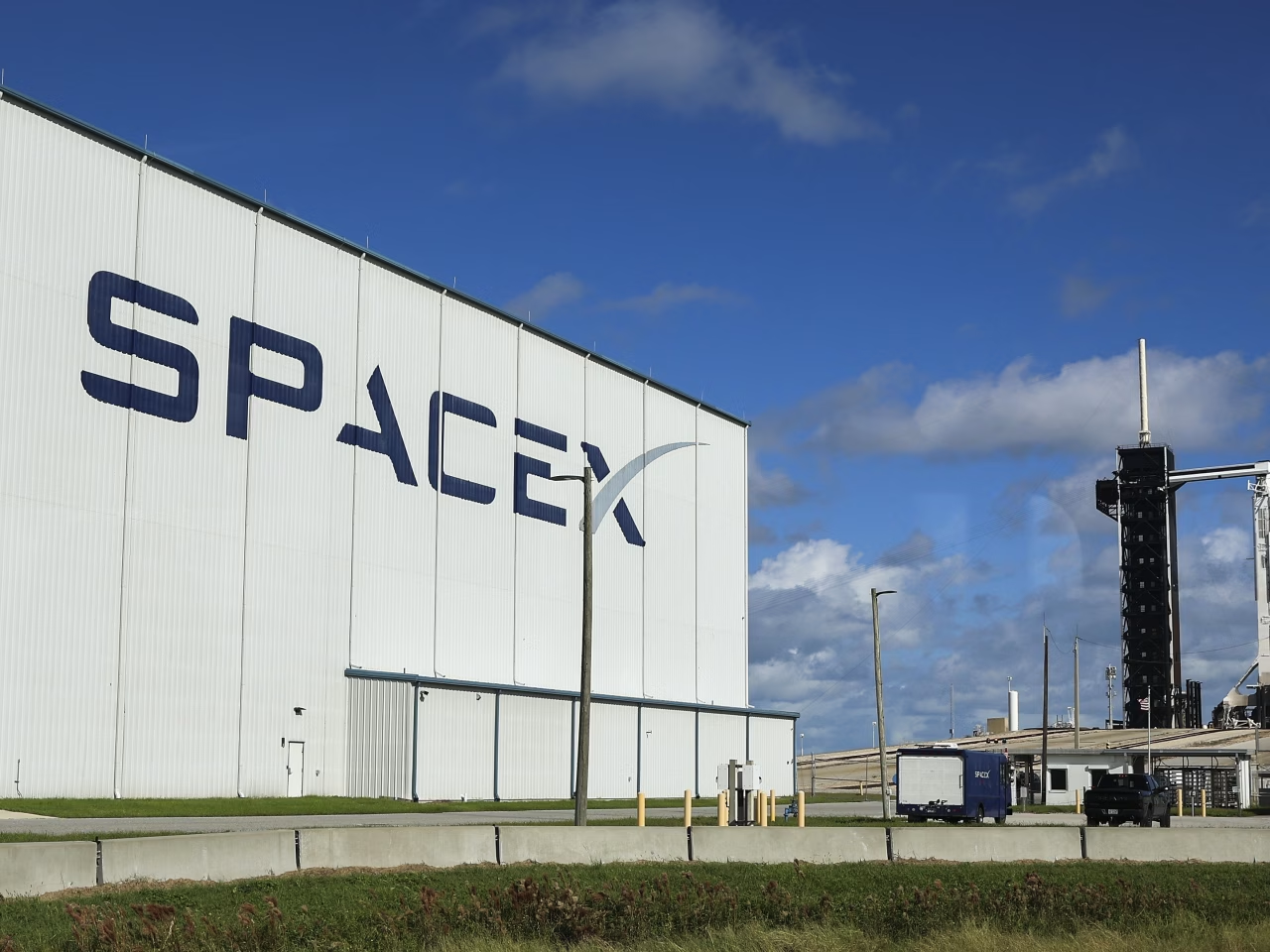
SpaceX Falcon 9 rockets are assigned to launch the additional spacecraft. Most of those launch services have been secured, although Telesat says one more Falcon 9 agreement still must be completed. That gives the program a direct U.S. industrial connection and makes launch contracting one of the visible dependencies between funded expansion and an operating constellation.
C$2.3 billion does not complete every part of the system
The signed contract covers military Ka-band connectivity and related satellite infrastructure and services. A separate expected agreement would address end-to-end integration work, including user terminals, ground and control infrastructure, training and operational support.
That boundary matters for public-cost scrutiny. The C$2.3 billion commitment secures the space-based service and enables the 69-satellite expansion, but it is not presented as the final price for every element required to put that connectivity into military use. Until the separate integration agreement is completed, Canada has not disclosed the full contractual picture for terminals, ground systems and support.
The broader 225-satellite Lightspeed network is expected to require approximately C$7 billion in total investment, of which Telesat reports about C$2.7 billion has already been invested. Government milestone payments for the expansion are scheduled to start in the third quarter of 2026. Milestone-based funding links payments to program progress, but the provided terms do not specify the individual technical acceptance gates.
The procurement also divides responsibilities across a wider Arctic communications architecture. Lightspeed supplies the low-orbit military Ka-band component. The overall Canadian project is also expected to include separate ultra-high-frequency and X-band services in medium Earth orbit, with MDA Space acting as prime contractor and Telesat supporting that portion. Those negotiations remain underway, so the signed Lightspeed contract should not be mistaken for completion of the entire polar communications project.
The 2028 date is the real program test
Low-Earth-orbit satellites can support lower-latency communications than systems operating much farther from Earth, but the practical capability depends on the complete chain: satellites, launches, ground infrastructure, terminals, control systems, training and support. A larger spacecraft count improves stated capacity; it does not by itself establish that the military service is operational.
Telesat says its global Lightspeed rollout remains scheduled for the first quarter of 2028, with service under the Canadian contract beginning that year. The next two years therefore carry the central tension in the deal: Canada has committed C$2.3 billion and expanded the constellation by 69 satellites, while the manufacturing, remaining launch contracting and separate network-integration work must still converge on the 2028 service milestone.
By David Whitaker — Associate editor for AMI’s aerospace and drone systems desk, translating flight systems, aircraft programs, spaceflight, and UAV developments into accessible technical stories.