SpaceX Pushes Starlink Past 11,000 Satellites, but Not All Are Operational
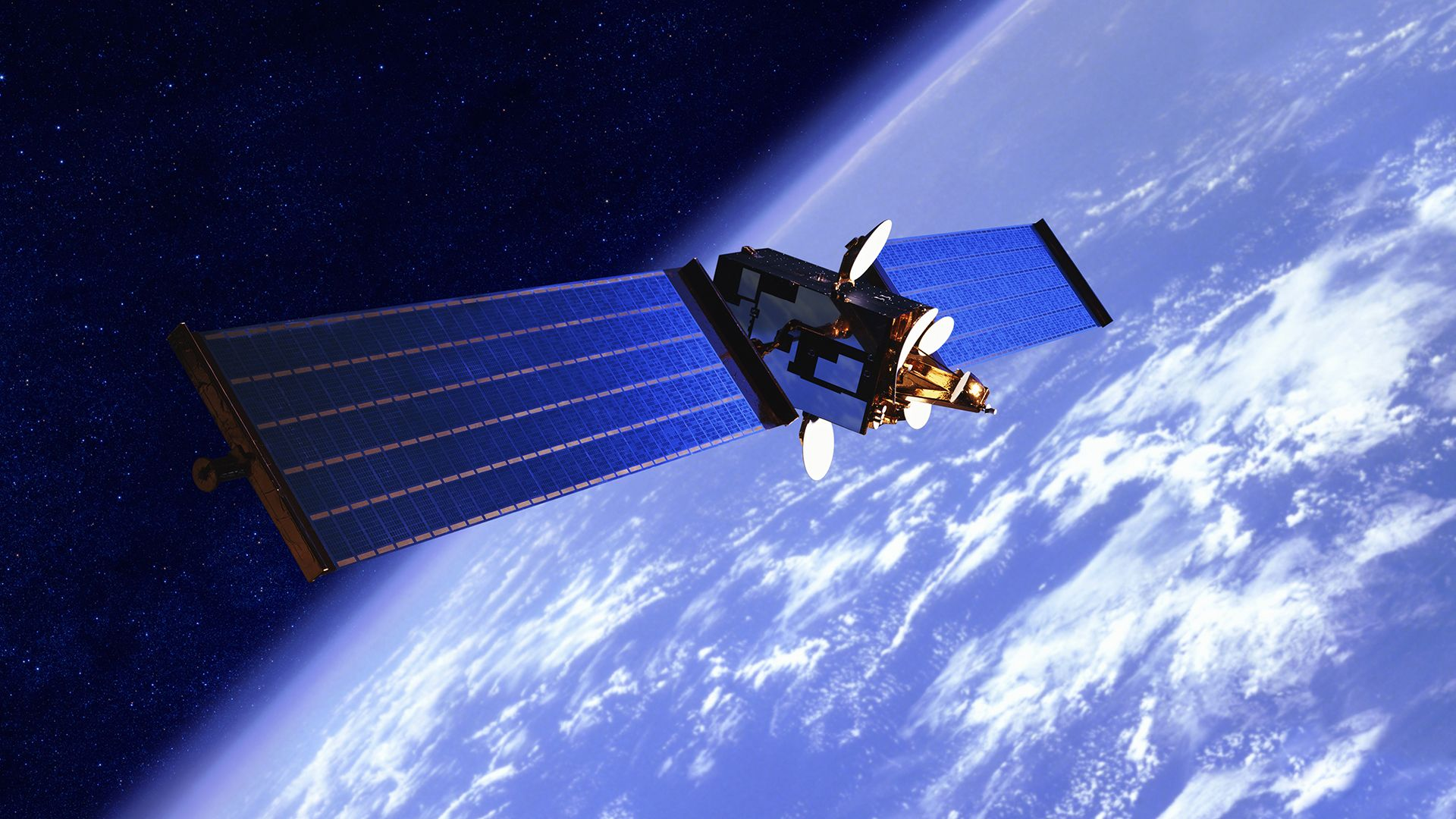
More than 11,000 Starlink satellites are now physically orbiting Earth. SpaceX crossed that threshold after a Falcon 9 deployed 24 more spacecraft on August 19, 2026, giving one U.S. commercial broadband network an orbital footprint comparable to roughly two-thirds of the world’s active satellites.

The milestone needs an important qualifier: “in orbit” does not mean “operational.” Some newly launched Starlinks are still undergoing checks or raising their orbits, while failed and retired spacecraft can remain aloft as they descend toward reentry. The service-ready constellation is therefore smaller than the physical fleet.
How the count passed 11,000
The Starlink Group 17-50 mission lifted off from Vandenberg Space Force Base in California at 04:01 UTC on August 19. Its 24 satellites separated from the Falcon 9 upper stage about an hour later. It was SpaceX’s 100th mission of 2026 and the company’s 97th Falcon 9 flight of the year.
The threshold is reconstructed from launches, reentries and orbital records rather than represented by a permanent live number. A count citing orbital tracker Jonathan McDowell placed 10,939 Starlinks in orbit before an August 11 mission added 29. Groups 17-49 and 17-50 then added 24 each. Straight addition produces 11,016, although reentries and catalog revisions can move the current figure by several spacecraft. McDowell’s Starlink orbital-history tracker separates satellites in operational shells from those ascending, relocating, retiring or otherwise outside their assigned configuration.
That distinction matters because deployment is only the beginning of a satellite’s trip. New spacecraft must complete initial checks and use onboard propulsion to reach assigned orbital planes. During this period, they are physically in space but may not yet occupy their intended operational orbit. At the opposite end of the life cycle, a retired satellite does not disappear from the count until it reenters.
Falcon 9 turned batches into an industrial cadence
Starlink’s scale is fundamentally a manufacturing and transportation result. Standardized spacecraft can be produced and launched in batches, while Falcon 9 first-stage reuse reduces the need to build a new booster for every mission. Booster B1097 flew for the 12th time on Group 17-50 and landed on the drone ship Of Course I Still Love You about eight and a half minutes after liftoff.
The more revealing number may be 74: that is how many of SpaceX’s first 100 missions of 2026 supported Starlink. Reuse alone does not produce a constellation this large. It has to operate alongside satellite production, payload processing, launch-site availability, recovery operations and enough mission frequency to place new batches in orbit while older spacecraft are replaced.
The growth has been exceptionally fast. Starlink’s first full batch of 60 satellites launched in May 2019, when the entire worldwide active-satellite population was below 2,000. Seven years later, the physical Starlink fleet exceeds five times that earlier global total.
Scale increases the traffic-management workload
A June 2026 index from Look Up counted 15,711 active satellites worldwide, including 10,365 Starlinks, or 65.97%. Those figures came before the August launch sequence, and different catalogs apply different definitions. “Roughly two-thirds” is consequently a sound comparison; treating that June percentage as an exact August share is not.
More spacecraft can expand network coverage and capacity, but they also generate more conjunction screenings, maneuver coordination and disposal work. Continuously maneuvering satellites especially those raising or lowering their orbits can also be harder for outside observers to predict than spacecraft holding relatively stable positions. That raises the importance of current trajectory data and coordination among operators without implying that every conjunction warning will lead to a close approach.
U.S. licensing rules make disposal part of the system design rather than an afterthought. The Federal Communications Commission requires applicants to submit orbital-debris mitigation plans, and satellites covered by the newer rule must generally be disposed of within five years after mission completion. Large fleets turn propulsion reliability, tracking, collision avoidance and end-of-life control into recurring operational requirements across thousands of spacecraft.
Astronomers face a parallel scale problem through optical brightness and radio interference concerns. Each individual satellite may be one standardized unit, but the environmental and coordination effects accumulate with fleet size. Crossing 11,000 therefore marks more than broadband expansion: it shows how reusable launch hardware and production discipline can build orbital infrastructure faster than traffic-management, disposal and astronomy concerns fade from view.
| More aerospace and engineering stories, right in your MSN feed. Follow AMI on MSN |
By David Whitaker — Associate editor for AMI’s aerospace and drone systems desk, translating flight systems, aircraft programs, spaceflight, and UAV developments into accessible technical stories.