EU Releases €6.1 Billion for Ukraine Air Defense, but Deliveries Remain Unclear
The European Union has released another €6.1 billion ($7.1 billion) for Ukraine’s air and missile defenses, but the figure does not yet reveal how much equipment will reach operational units or when. That distinction matters after the European Commission reported 376 missile strikes in July alone.

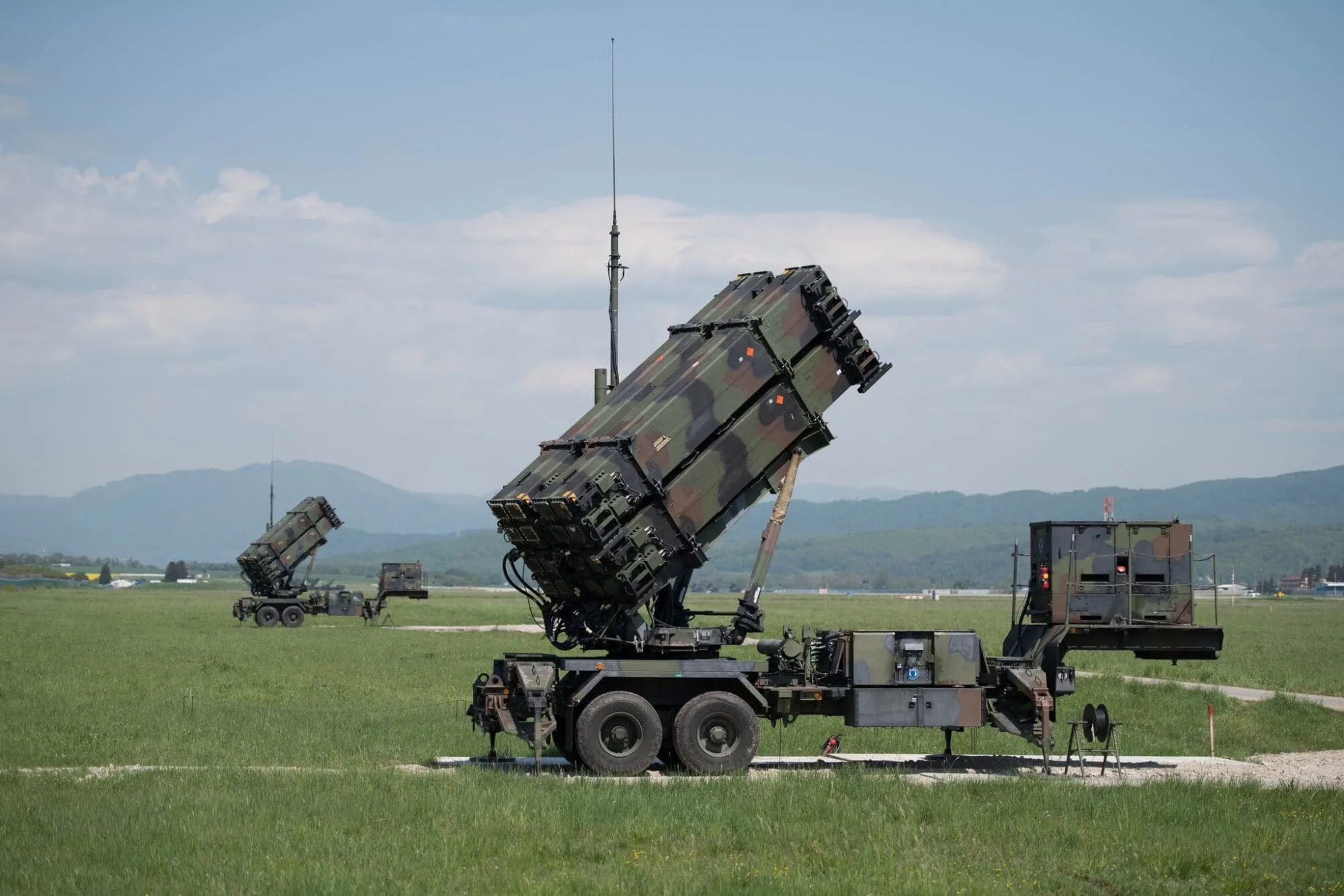
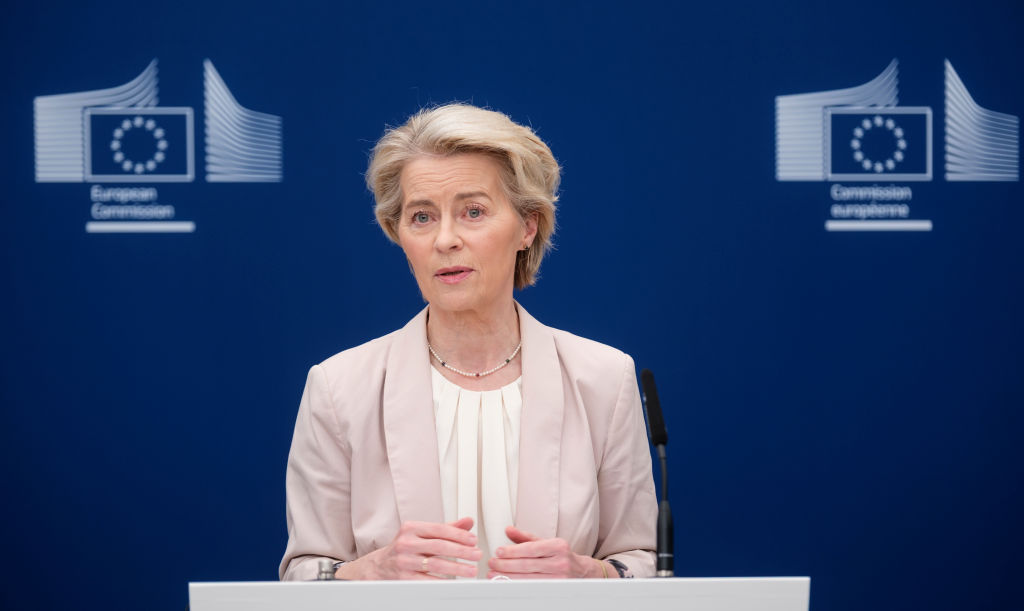
European Commission President Ursula von der Leyen announced the funding on August 24, saying it covers air- and missile-defense systems, missiles, ammunition and radars. Ukraine is particularly seeking additional interceptors used by Patriot air-defense systems. However, no procurement quantities, suppliers or delivery schedules were identified, and the announcement does not establish that equipment has already been delivered.
A large allocation is not yet a hardware count
The €6.1 billion sits inside a €90 billion ($105 billion) EU loan for Ukraine. Of that total, €60 billion ($70 billion) is designated for military assistance. Approximately €16 billion has been allocated and €8.5 billion ($10 billion) sent to Kyiv, according to the available program figures.
The broader Ukraine Support Loan structure combines €60 billion for defense capabilities and industrial capacity with €30 billion in budget support. The commission has separately said that €28.3 billion is planned for Ukraine’s defense industrial capacity during 2026, with product schedules expected to be finalized by September and disbursements continuing through the end of the year.
Those categories establish policy scope, not an equipment manifest. Radars, launch systems and interceptor missiles perform different functions and carry different procurement, production, training and support requirements. A funding package spread across all four categories could strengthen several layers of an air-defense network, but its practical effect depends on the eventual mix.
For readiness, the critical measures are not simply euros approved or transferred. They include the number and type of systems ordered, the availability of compatible interceptors, factory output, acceptance procedures, delivery timing and the support needed to keep equipment serviceable. None of those details has been disclosed for this €6.1 billion release, so it would be premature to calculate how much additional defensive coverage the package will provide.
Interceptor production is a U.S. industrial issue, too
Patriot demand also connects the EU decision to the U.S. defense-industrial base. The U.S. Army awarded Lockheed Martin a contract worth up to $58.6 billion in July for Patriot interceptor production from fiscal 2026 through 2032. Lockheed has said it intends to triple production capacity for the PAC-3 MSE interceptor by the end of 2030 and eventually reach 2,000 units annually.
That American contract illustrates why multiyear procurement can matter more than a headline authorization alone. Manufacturers generally need durable orders and appropriated funding before committing heavily to facilities, tooling, components and workforce expansion. Even then, higher factory capacity is a future output target rather than proof of immediate deliveries. Exact delivery terms for several U.S. munitions agreements also remained under negotiation.
The comparison does not establish that the EU money will purchase Lockheed Martin interceptors, nor does it identify any other supplier. It shows the industrial constraint facing any large air-defense package: funding can create demand quickly, while additional production capacity takes time to finance, build and qualify.
Taxpayers can see the cost, but not yet the output
For Ukraine’s population and defense forces, earlier deliveries would mean faster access to systems intended to detect and intercept continuing missile attacks. For EU taxpayers, the unresolved issue is how a €6.1 billion public commitment converts into measurable equipment, inventory and support.
That is not evidence that the money will be delayed or used ineffectively. It is a limitation on what can currently be concluded. Without quantities, contracts and schedules, the public cannot compare the allocation with delivered capability or assess tradeoffs among radars, complete defense systems, interceptors and other ammunition.
The next meaningful milestone will therefore be the release of product schedules, contract awards or delivery information. Until then, the EU has established the financial priority and the equipment categories but not the pace or scale of the resulting air-defense increase.
| More aerospace and engineering stories, right in your MSN feed. Follow AMI on MSN |
By David Whitaker — Associate editor for AMI’s aerospace and drone systems desk, translating flight systems, aircraft programs, spaceflight, and UAV developments into accessible technical stories.