Georgia EV Factories Shift to Hybrids and Grid Batteries as Federal Support Ends
Georgia’s electric-vehicle manufacturing buildout is not shutting down, but it is changing direction. Kia and Hyundai are putting more hybrids into factories developed around electric vehicles, while battery producers are adding stationary energy-storage products. The shift follows the end of federal clean-vehicle purchase incentives, higher component costs from tariffs and slower-than-expected consumer adoption.

The policy change removed a direct mechanism for making eligible electric vehicles more affordable. The Internal Revenue Service says new, used and commercial clean-vehicle credits are unavailable for vehicles acquired after Sept. 30, 2025. Before that deadline, a qualifying new vehicle could receive a credit of up to $7,500. The administration also imposed tariffs on battery packs, charging hardware and other components, loosened emissions rules for gasoline vehicles and ended the previous federal push to electrify government fleets.
For manufacturers, these measures affect both sides of the production equation. Removing purchase support can weaken demand for the product coming off the line, while tariffs can raise the cost of the battery and charging ecosystem required to sell and operate it. Neither effect means every delayed investment or production decision has a single cause, but together they reduce the certainty on which large, specialized factory plans depend.
Flexible assembly is becoming the critical asset
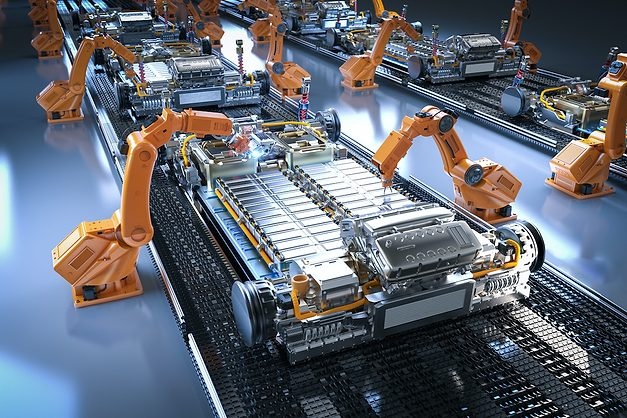
Kia’s West Point plant illustrates why manufacturing flexibility matters. Its assembly line can vary models, colors, trims and drivetrains rather than producing only one standardized configuration. Factory CEO Stuart Countess said Kia is currently emphasizing hybrids, describing them as a “middle-of-the-road opportunity” between gasoline-only vehicles and full electric models.
That flexibility allows the factory to respond to demand without abandoning its electric-vehicle capability. The plant can redirect its model mix while continuing to use much of the workforce, tooling, quality-control system and supplier network already in place. The tradeoff is added integration complexity: multiple propulsion systems require different parts flows, assembly operations, testing requirements and worker training. A flexible line therefore buys resilience, but it must manage more production variants.
Hyundai has made a similar adjustment near Savannah. Its plant began producing the electric IONIQ 5 in October 2024 and later added the IONIQ 9. In June 2026, it launched production of the Kia Sportage Hybrid, the facility’s first hybrid and first Kia model. Hyundai describes the plant as capable of building multiple brands and powertrain technologies on one line with limited modifications.
This is more than a temporary product substitution. A hybrid uses an internal-combustion engine, electric motor, battery and control system, giving buyers some electrification benefits without requiring routine access to public charging. For a factory facing uncertain electric-vehicle demand, hybrids can keep electrified-component expertise in production while serving customers who are not ready to depend on charging infrastructure.
Batteries can move beyond vehicles
Georgia battery manufacturers are also diversifying into stationary electricity-storage batteries. Vehicle and grid-storage products are not interchangeable without engineering and manufacturing changes, but both rely on cell production, module assembly, thermal management, power electronics and safety controls. Adding stationary storage gives a battery factory another market when vehicle orders soften.
That diversification has limits. Grid batteries face different duty cycles, packaging constraints, certification requirements and customer expectations than vehicle packs. Manufacturers still need suitable products and buyers; excess automotive capacity cannot automatically be converted into profitable stationary-storage output. Even so, the move reduces dependence on one adoption curve.
Public support and consumer policy remain misaligned
Georgia used tax breaks and its worker-training program to attract vehicle, battery and related clean-energy factories. Yet the state offers no general incentive for residents to buy an electric vehicle and charges EV owners an additional registration fee intended to replace lost gasoline-tax revenue. Businesses can receive a state tax credit for part of the cost of eligible charging equipment, and some utilities offer charging-related programs, but the consumer signal is comparatively weak.
That creates a fairness and industrial-policy tension. Workers and taxpayers helped support factories intended to serve a growing electric-vehicle market, while local buyers receive little direct help entering that market and face an added annual fee. The fee addresses a real road-funding issue because EV drivers do not pay gasoline taxes, but it can also increase the ownership cost of the same products Georgia worked to manufacture.
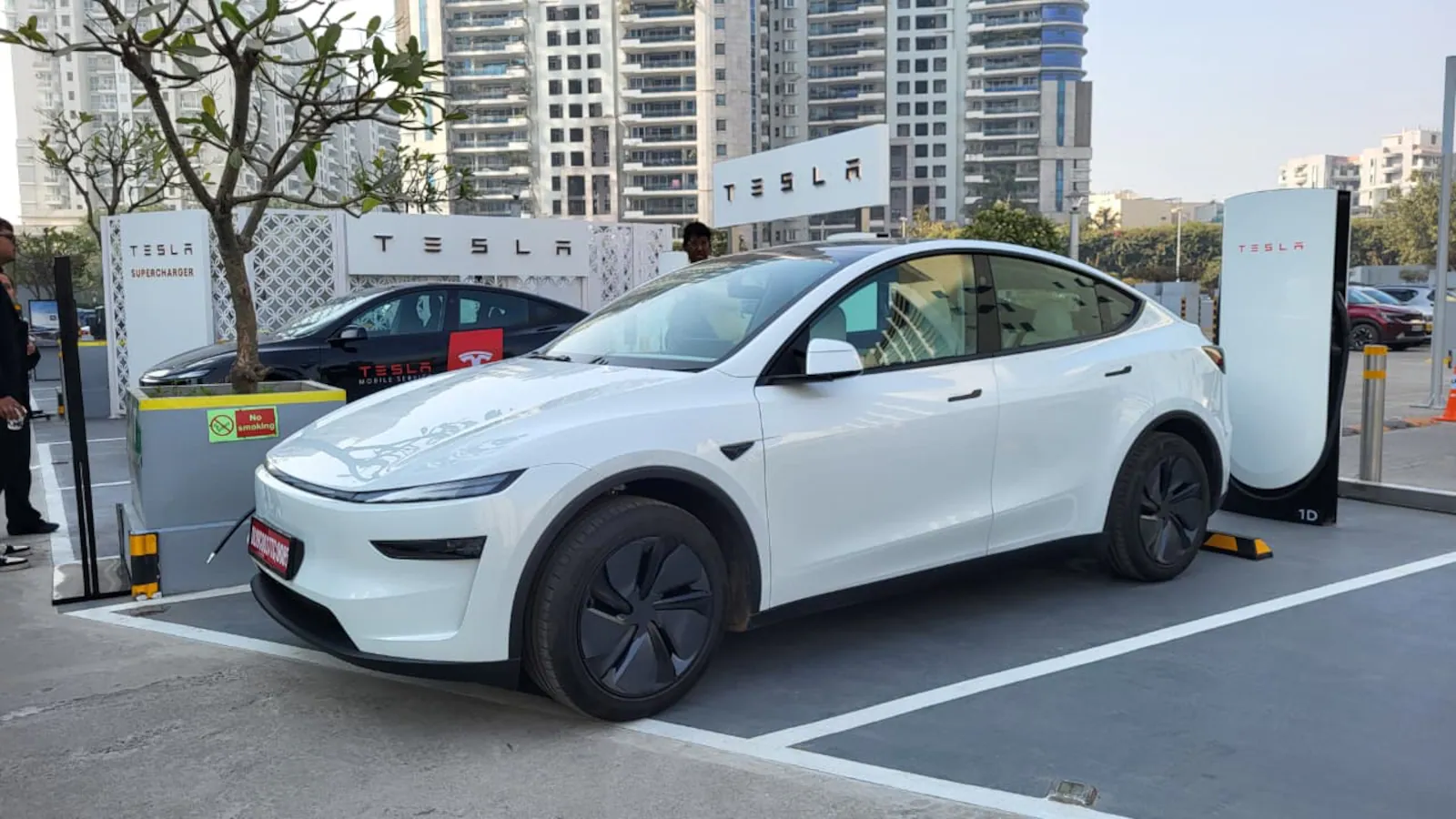
Charging investment has not stopped. Kia and Hyundai participate in the IONNA charging consortium, which has installed several Georgia stations, and the Southern Alliance for Clean Energy says regional utility investment related to EVs rose 14 percent during the year it tracked. Charging expansion cannot replace a federal vehicle credit dollar for dollar, but it addresses another adoption constraint: confidence that drivers can recharge away from home.
The regional investment balance remains substantial despite the setbacks. The Southern Alliance says more than $4 billion in Southeastern manufacturing investment was canceled or reduced over the past year, and SK Battery has had layoffs. At the same time, nearly $74 billion in regional manufacturing investment is still proceeding. Georgia’s immediate test is therefore not whether electrified manufacturing disappears, but whether flexible vehicle lines and diversified battery plants can preserve jobs and public value while the market settles into a different mix of electric vehicles, hybrids and grid storage.
| More aerospace and engineering stories, right in your MSN feed. Follow AMI on MSN |
By Thomas Caldwell — AMI’s senior editor for mechanical and mobility engineering, covering vehicle electronics, systems integration, electrification, chassis systems, propulsion, and safety policy.