NHTSA Orders Sworn Proof Tesla’s Control-Free Cybercab Meets Safety Rules by September 30
Tesla has until September 30 to provide sworn evidence that its Cybercab complies with federal vehicle-safety rules, even though the purpose-built robotaxi has no steering wheel or pedals. The National Highway Traffic Safety Administration issued the Special Order after opening an Audit Query into Tesla’s self-certification following the vehicle’s commercial deployment in Austin, Texas.
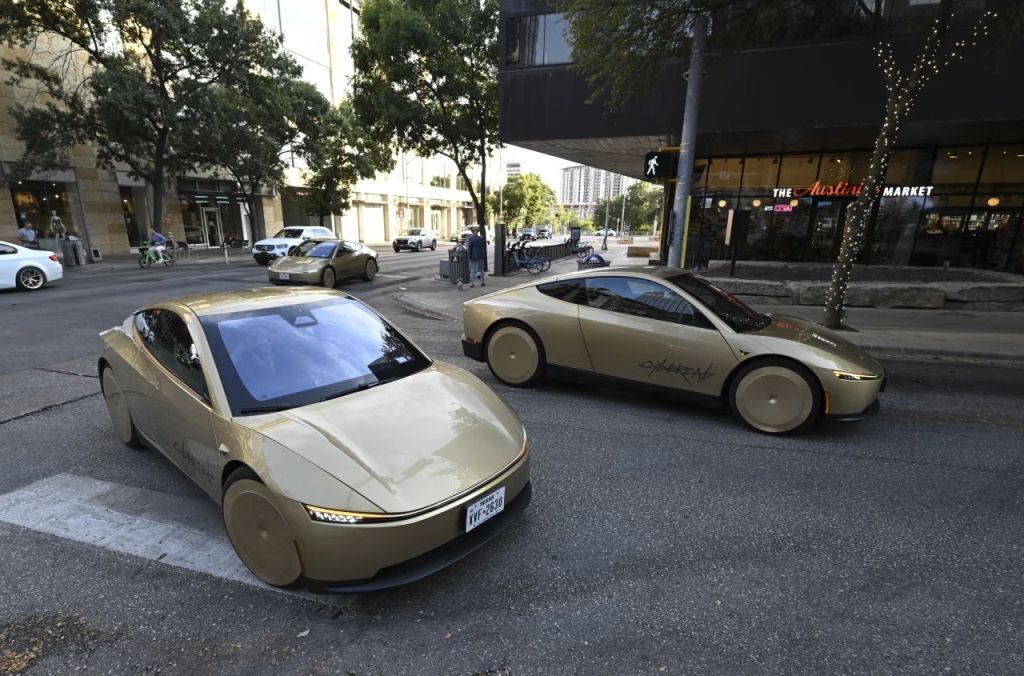
The order does not establish that Cybercab is unlawful or prohibit its sale. It requires Tesla to explain the technical data, processes and regulatory interpretations behind its certification. Failure to respond fully by the deadline could bring civil penalties of up to approximately $139 million. Knowingly submitting false information could expose a responsible company officer to criminal consequences, including up to 15 years in prison.
A vehicle without pedals meets rules written around pedals
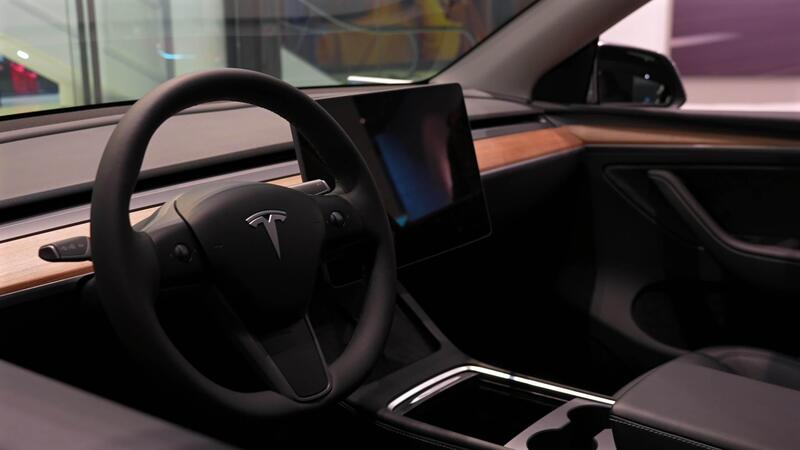
The central conflict is unusually concrete. One applicable federal braking standard says service brakes must be activated by means of a foot control. Cybercab is described as having no brake pedal because its automated driving system, rather than a person in the cabin, controls braking.
That design may be internally coherent as a robotic system: software generates a motion command, sensors supply information about the vehicle and its surroundings, and electronic actuators execute steering and braking. Removing manual controls can therefore follow logically from designing the vehicle around automated operation from the outset.
Certification, however, is not based only on whether that control architecture works as intended. It also depends on whether the finished vehicle satisfies the wording and performance requirements currently in force. NHTSA says existing standards remain effective while it works on rule changes covering equipment including brake pedals, windshield wipers, lighting and rearview mirrors.
This distinction matters because a proposed modernization does not itself alter a binding requirement. Tesla must establish either how Cybercab complies with each applicable rule as written or why a particular provision does not apply to this class of automated vehicle. The sworn response turns that interpretation from a product-development assumption into a formal regulatory position that NHTSA can examine.
Self-certification puts the supporting case under scrutiny
US vehicle regulation generally relies on manufacturers certifying that their products meet applicable Federal Motor Vehicle Safety Standards. NHTSA does not pre-approve every new model before it reaches the market; it oversees those certifications and can audit or investigate their basis.
That structure gives manufacturers room to introduce new technology without waiting for individual design approval, but it also places responsibility for the compliance judgment on the manufacturer. Cybercab tests the limits of that arrangement because several traditional requirements were framed for vehicles with a human driver, while Tesla’s design removes the corresponding human interface.
The issue is broader than the presence of a physical pedal. Driver controls, displays, mirrors and telltales form an established safety interface between a person and a vehicle. A control-free robotaxi redistributes those functions among sensing hardware, automated decision-making, electronic actuation and fleet operations. Federal rules must still determine which legacy requirements remain necessary, which can be met differently and which require a formal exemption or amendment.
Zoox took an exemption route
Amazon-owned Zoox provides a useful regulatory comparison. Its autonomous vehicles also lack conventional steering wheels and pedals, but Zoox received an NHTSA exemption in July. That exemption permits a defined departure from specified requirements after regulatory review; it is not the same as declaring through self-certification that the existing requirements are already satisfied or inapplicable.
The two approaches create different tradeoffs. An exemption can impose limits on vehicle numbers, duration or operating conditions, constraining deployment while regulators assess an unconventional design. Self-certification can offer a more direct route to market, but the manufacturer must be able to defend its interpretation of every applicable standard when challenged.
For prospective passengers and other road users, the immediate question is not whether a person could seize a steering wheel or press a brake pedal Cybercab is intentionally designed without either. It is whether the automated sensing, control and actuation system has been introduced through a certification path that federal law recognizes. For Tesla and prospective fleet operators, the outcome could determine whether the current design can continue toward broader commercialization without an exemption or regulatory change.
NHTSA has not yet resolved that question. Tesla’s September 30 response must show, under oath, how a robotaxi built to eliminate human-driver controls fits standards that still explicitly refer to them.
| More aerospace and engineering stories, right in your MSN feed. Follow AMI on MSN |
By Jonathan Barrett — Editor for AMI’s future mobility and autonomous systems section, with two decades covering robotics, e-mobility, drone-vehicle convergence, and transport mechanical systems.