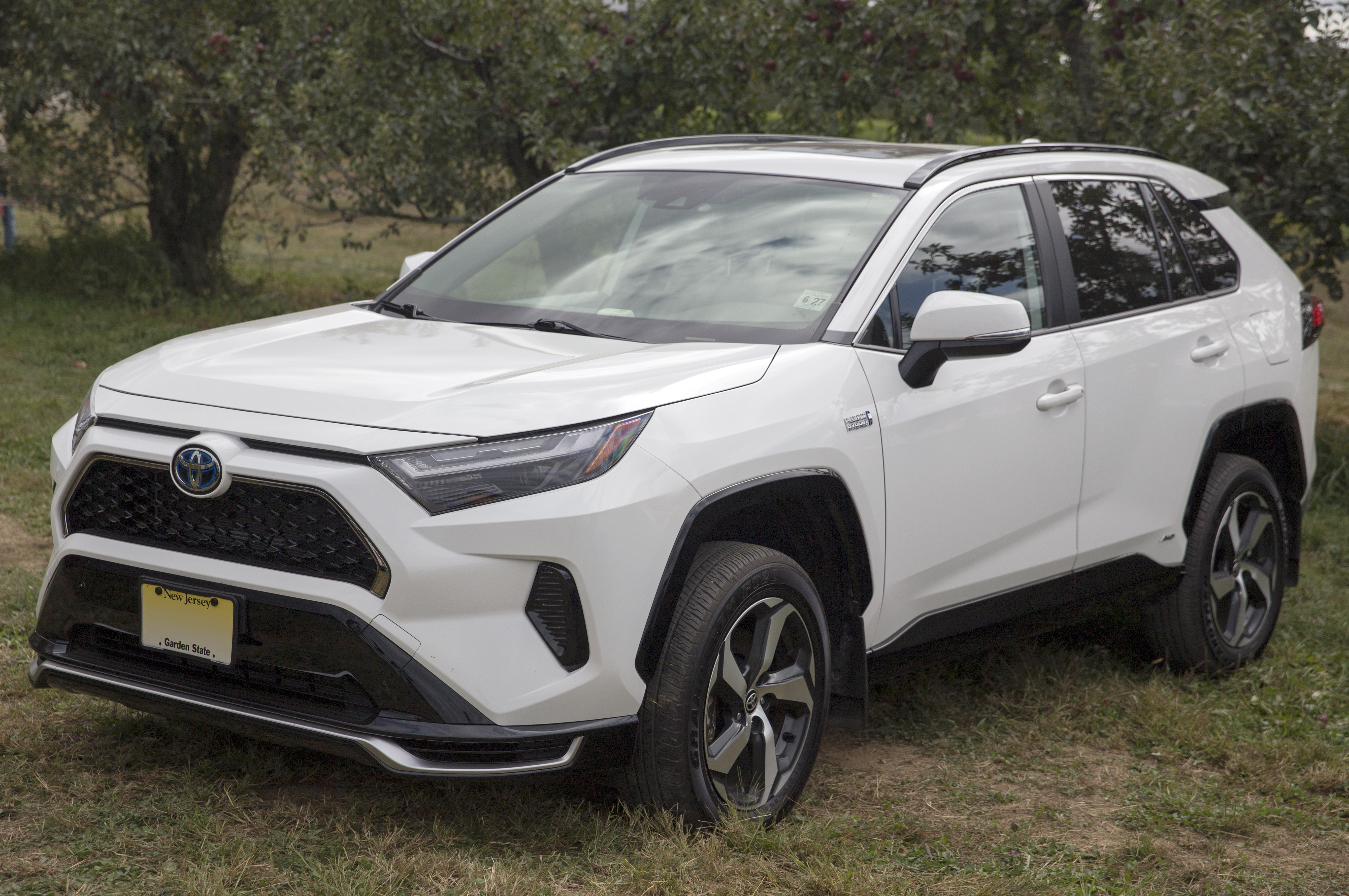
Toyota Study Finds 6,000 Plug-In Hybrids Charged on Most Driving Days
More than 6,000 Toyota and Lexus plug in hybrids sampled in the United States and Canada were charged on 70% to 90% of driving days, according to a new peer reviewed analysis. The result presents a notably different North American pattern from European findings in which plug in hybrids have spent much less time operating on electricity than regulatory assumptions anticipated.

Karim Hamza and Ken Laberteaux of Toyota Research Institute North America analyzed anonymized vehicle data from the Toyota RAV4 Prime, now called the RAV4 PHEV, and the Lexus NX 450h+. Sampled Toyota owners plugged in on an average of seven out of every 10 driving days. Lexus owners did so on eight to nine out of every 10 driving days.
The minority that seldom used the plug was comparatively small: 9% of Toyota drivers and 4% of Lexus drivers were classified as rarely plugging in. Those figures challenge the broad assumption that plug-in-hybrid buyers routinely ignore the charging equipment and operate their vehicles primarily as gasoline hybrids.
Charging frequency is not the same as electric driving
The results establish how often a charging event occurred relative to driving days, but they do not show how many miles were driven electrically. A vehicle could be plugged in regularly but receive only a partial charge, travel beyond its battery range or use its combustion engine under some operating conditions. Conversely, one full charge could support electric operation across more than one day of limited driving.
That distinction matters because the principal engineering and policy measure is usually the electric driving share, sometimes called the utility factor. It represents the fraction of travel completed in charge depleting operation, using mostly grid electricity. That share, combined with vehicle efficiency, driving distance and the carbon intensity of electricity, influences fuel use and emissions. Charging frequency alone cannot establish fuel savings or carbon reductions.
The new analysis does not provide a trip level electric driving share, fuel consumption or emissions outcome. It also does not identify the study period, give a geographic breakdown or define the threshold used to classify an owner as rarely plugging in. Without those details, the findings are best read as evidence of regular charging behavior within this particular fleet not a complete environmental assessment.
A sharp contrast with Europe
The North American pattern stands against recent European findings based on a much broader vehicle population. An International Council on Clean Transportation analysis of data from approximately 920,000 European plug-in hybrids registered between 2021 and 2023 found that real world carbon dioxide emissions substantially exceeded official values. The organization concluded that Europe’s regulatory formula assumed a much higher electric driving share than vehicles achieved in practice.
That is not a direct like-for-like comparison. The European work covered many vehicles and manufacturers, measured fuel and energy use, and focused on the gap between real world and official emissions. The Toyota affiliated study covered two related brands and reported charging day frequency. Differences in fleet composition, vehicle design, ownership patterns, charging access, energy prices and regulatory systems could all affect the results.
Company car structures have been suggested as one possible reason for lower electric use in Europe. A driver may receive a plug in hybrid without personally selecting that powertrain, while workplace or home charging may be inconvenient. However, that explanation is not established by the Toyota and Lexus data and should not be treated as a confirmed cause of the regional difference.
The unanswered question behind infrequent charging
Hamza and Laberteaux proposed two possible explanations for the small North American group that rarely plugged in: inadequate access to convenient home charging and local electricity costs that can make charging less economical than buying gasoline. Both remain hypotheses. The available results do not separate drivers by housing type, charger access, electricity tariff, fuel price or daily travel requirement.
The brand boundary is equally important. Toyota and Lexus customers may differ from the wider plug-in-hybrid population in income, housing, trip patterns or reasons for choosing the vehicle. The RAV4 and NX also cannot represent every battery size, electric range or control strategy on the market. Expanding the analysis across manufacturers would show whether frequent charging is broadly characteristic of North American private owners or concentrated in these models.
For buyers, the study provides evidence that the charging hardware in these sampled vehicles was generally being used rather than neglected. For policymakers, it reinforces the need to base plug-in-hybrid rules on measured regional behavior instead of transferring assumptions between markets. The next decisive dataset would connect charging events to electric miles, gasoline consumption and ownership conditions showing not merely whether drivers plugged in, but how much petroleum use the plug actually displaced.
| More aerospace and engineering stories, right in your MSN feed. Follow AMI on MSN |
By Thomas Caldwell — AMI’s senior editor for mechanical and mobility engineering, covering vehicle electronics, systems integration, electrification, chassis systems, propulsion, and safety policy.