SpaceX Captured 91% of Disclosed Golden Dome Awards Despite Broader Supplier Push
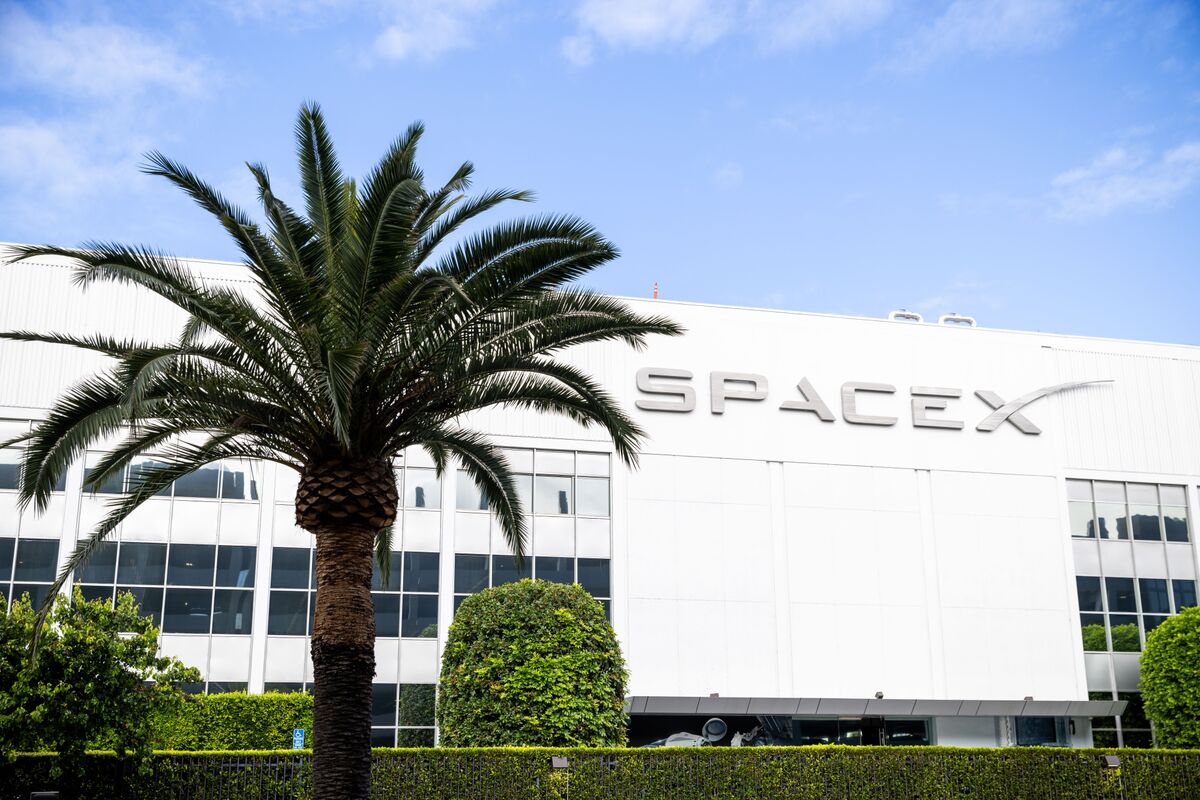
SpaceX received about $6.45 billion roughly 91% of the $7.13 billion disclosed across two U.S. Space Force programs associated with Golden Dome in 2026. The concentration is notable because the service also awarded smaller contracts intended to bring more satellite suppliers into the architecture.
The comparison is stark. SpaceX secured $2.29 billion to build the Space Data Network Backbone and $4.16 billion for a space-based missile-tracking layer. Three other firms split a $615 million tracking-related task order on August 4, with Rocket Lab receiving $397 million. On August 13, Amazon LEO for Government, Lockheed Martin, Northrop Grumman, Rocket Lab and York Space Systems each received approximately $12 million to demonstrate satellites capable of communicating with the network SpaceX is building.
Each of those five demonstration awards combined a $10 million fixed-price contract with a $2 million other-transaction agreement. That structure gives the government a way to test alternative hardware and interfaces without immediately committing to another large production program. It does not, however, place the competitors on equal commercial footing with SpaceX. Their demonstrations do not guarantee follow-on production orders.
Production work and demonstrations are not equivalent
The dollar split reflects different levels of responsibility. SpaceX is expected to deliver fielded or operational systems, including an operational backbone prototype by the end of 2027 and a fielded constellation by 2028. The smaller awards largely purchase demonstrations that can reduce technical uncertainty and show whether additional spacecraft can join the network.
That distinction matters for taxpayers and defense planners. A demonstration can establish interoperability, but it does not by itself create a second source with factories, launch access, ground support and a production schedule comparable to the primary contractor. Genuine supplier diversification requires competitors to progress from interface tests into repeatable manufacturing and sustained operations.
The network requirement also creates a consequential boundary: competing satellites are being asked to communicate with an architecture SpaceX is already building. Common interfaces could prevent the government from being locked into one spacecraft design, but the value of that openness will depend on later production decisions. If rival systems remain limited to prototypes, the government may gain technical options without gaining substantial pricing or schedule leverage.
Concentration is not automatically evidence of an unfair procurement. A contractor assigned the larger operational requirement would normally receive more money than firms conducting short demonstrations. The public-accountability question is whether those smaller projects produce credible alternative suppliers before major follow-on decisions make the existing production gap harder to close.
Spectrum and launch rules shape costs beyond the contracts
Separate regulatory decisions could widen that gap, although they are not Golden Dome awards. On May 12, the Federal Communications Commission approved SpaceX’s acquisition of roughly 65 megahertz of EchoStar spectrum for about $17 billion. The commission replaced conventional terrestrial construction requirements with space-based deployment milestones extending approximately nine years.
In October, the FCC also authorized SpaceX to deploy 15,000 satellites for direct to device services using spectrum that includes frequencies acquired from EchoStar. That authorization carries conditions, and some SpaceX requests were deferred. It is a commercial communications decision rather than a Golden Dome procurement action, but access to spectrum and permission to deploy at large scale can support manufacturing, network and operational experience that smaller suppliers may find expensive to reproduce.
The Federal Aviation Administration presents a similar but less settled case. On July 30, it proposed allowing exemptions from requirements under 13 federal environmental and natural-resource laws for commercial launch and reentry licensing. The proposal’s comment period closed August 31, but it was not a final rule. The FAA has since advanced a separate effort to streamline commercial launch and reentry regulations, including electronic applications and consolidated safety analyses.
Faster or more flexible licensing could benefit the broader launch industry. In practice, however, an operator already flying at high cadence may be positioned to spread compliance, range and infrastructure costs across more missions. That is a scale effect, not proof that the rules were written for one company, and its durability cannot be assumed while proposals remain subject to revision.
Other uncertainties remain. The FCC had not decided SpaceX’s separate application for as many as one million orbital data-center satellites, and proposed launch exemptions can change before adoption. Reports also place SpaceX in line for more than $8 billion in Golden Dome-related work overall, but the clearest disclosed comparison is the two-program ledger: $6.45 billion for SpaceX versus $675 million for other suppliers.
The next meaningful test will not be how many companies receive demonstration contracts. It will be whether those demonstrations convert into production orders soon enough to create suppliers capable of meeting the same schedule, integration and operating demands as the network’s dominant contractor.
| More aerospace and engineering stories, right in your MSN feed. Follow AMI on MSN |
By David Whitaker — Associate editor for AMI’s aerospace and drone systems desk, translating flight systems, aircraft programs, spaceflight, and UAV developments into accessible technical stories.