


Airbus and Boeing Face 43,000-Jet Demand With Backlog Exceeding 12 Years
Airbus and Boeing face an unusual industrial problem: Airlines may need roughly 43,000 new aircraft worth $3.2 trillion through 2045, yet the existing commercial-aircraft backlog already represents more than 12 years of production at recent delivery rates. The demand is substantial, but engines, suppliers, certification work and final-assembly capacity will determine how quickly it becomes usable airline capacity.

The 2026 Cirium Fleet Forecast, released Oct. 13, projects deliveries of about 43,000 passenger jets, freighters and turboprops between 2026 and 2045. It estimates their value at $3.2 trillion in 2026 dollars and expects aircraft shortages to persist through the remainder of the decade.
Those figures describe modeled long-term demand, not booked revenue or guaranteed sales. Cirium reduced its projected aircraft total by 3,500, or 7.5%, from the previous forecast of 46,500. Its estimated market value also moved from $3.4 trillion to $3.2 trillion, but those dollar totals are not directly comparable because the forecasts cover successive 20-year periods and use dollars from different price years.
Orders are still arriving faster than aircraft
The near-term production data explains the tension. The global commercial-aircraft backlog reached a record 17,037 aircraft in July 2026 and remained at 17,010 at the end of August, according to ADS. Airbus and Boeing delivered 903 aircraft during the first eight months of the year, 9% more than during the same period in 2025. Airlines placed 1,655 new orders over those eight months, an increase of 25%.
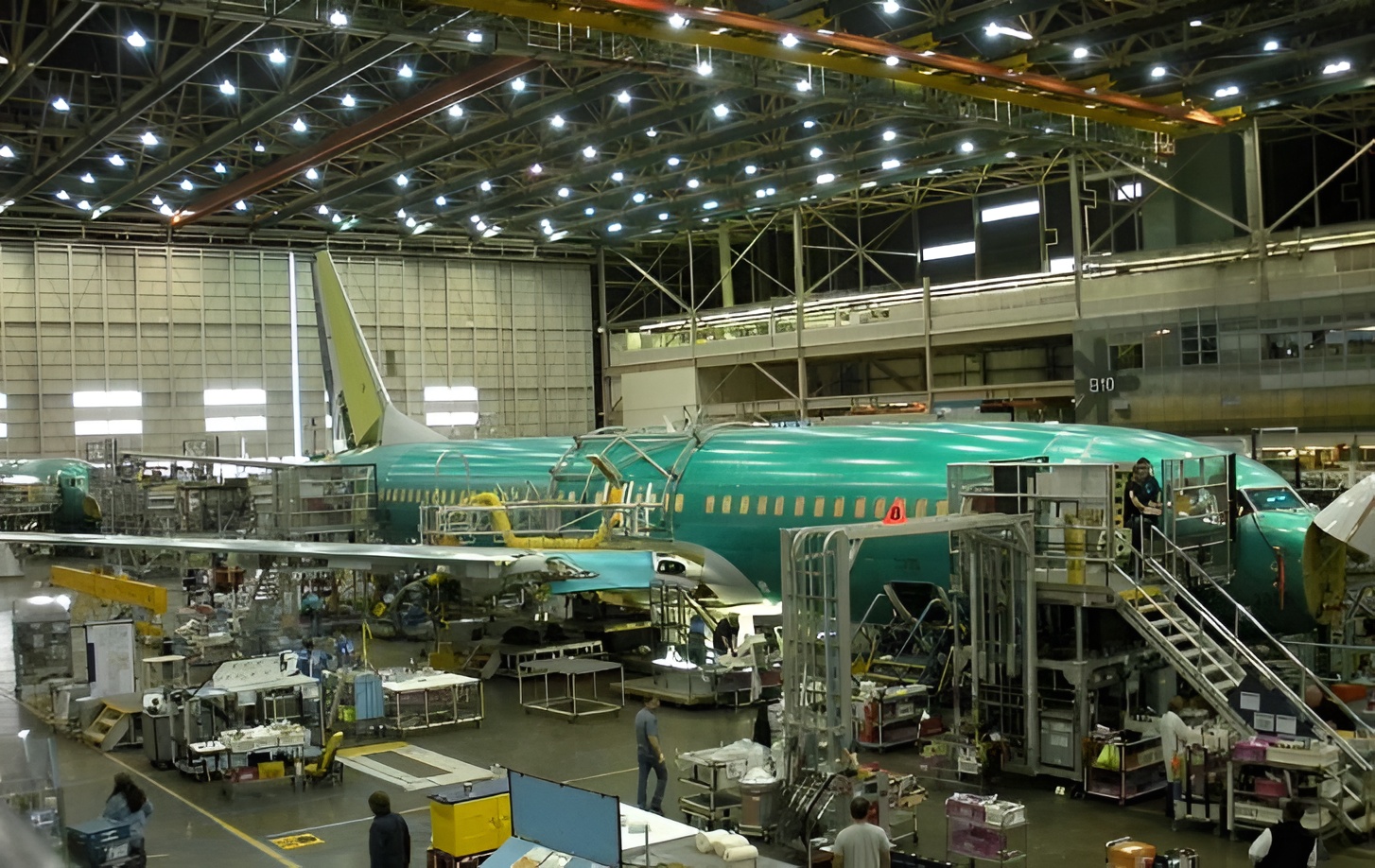
In other words, production improved, but order intake continued to outrun deliveries. A backlog provides manufacturers and suppliers with long-term workload visibility, yet it also measures how far demand is waiting behind the industrial system. Raising output is not simply a matter of moving an assembly line faster. Aircraft production depends on synchronized deliveries of engines, structures, avionics, interiors and other certified components. A shortage or quality problem in one area can prevent an otherwise nearly complete aircraft from being delivered.
Airbus faces engine-availability and supplier constraints affecting its A320neo family. Boeing, meanwhile, has been working to stabilize higher 737 MAX output. Its chief executive said in September that reaching a consistent target rate of 47 aircraft per month was taking longer than expected, with wing production among the limiting factors.
Certification adds a different constraint because output cannot substitute for regulatory approval. Boeing is pursuing approval and delivery plans for additional 737 MAX variants, but the Federal Aviation Administration said in September that it would hold off certifying the 737 MAX 10 while assessing a software issue. That review does not explain the industry-wide backlog, but it illustrates how a certification schedule can affect when a planned aircraft type begins reaching customers.
Delivery delays reach airline schedules
For airlines, a late aircraft is not merely a deferred asset. Carriers may have to retain older jets, extend leases or postpone new routes. Older aircraft can carry higher fuel and maintenance costs, while delayed fleet growth restricts how quickly an airline can add seats. If passenger demand remains strong, constrained capacity and higher operating costs can contribute to pressure on fares, although pricing also depends on competition, fuel costs and regional demand.
Longer use of older aircraft also transfers pressure into maintenance. More shop visits, component demand and engine work must be absorbed while manufacturers and suppliers are simultaneously trying to increase new-aircraft output. That makes fleet renewal a systems-capacity problem spanning factories, certification organizations and maintenance providers rather than a simple contest between order totals.
The long-range projections nevertheless point to continued expansion. Cirium expects the global passenger fleet to exceed 50,000 aircraft by 2045, growing at an average annual rate of 3.2%. Single-aisle aircraft account for 76% of its modeled fleet, while China, India and the wider Asia-Pacific region account for about 48% of modeled passenger-fleet allocation.
Airbus separately forecasts demand for approximately 42,060 new aircraft through 2045, while Boeing projects 43,625. Those totals should not be treated as identical measures because the companies and Cirium use different methodologies and covered categories. Likewise, Cirium’s modeled allocation of 47% for Airbus and 39% for Boeing describes an assumed future fleet composition not guaranteed delivery shares.
Cirium expects conventional gas-turbine aircraft to remain the commercial fleet’s foundation throughout the forecast period. That places even more weight on the present production system: Airlines’ ability to expand and replace aging fleets will depend less on whether demand exists than on whether manufacturers can turn a 17,010-aircraft queue into certified, engine-equipped jets at a sustainable rate.
| More aerospace and engineering stories, right in your MSN feed. Follow AMI on MSN |
By Thomas Caldwell — AMI’s senior editor for mechanical and mobility engineering, covering vehicle electronics, systems integration, electrification, chassis systems, propulsion, and safety policy.



