


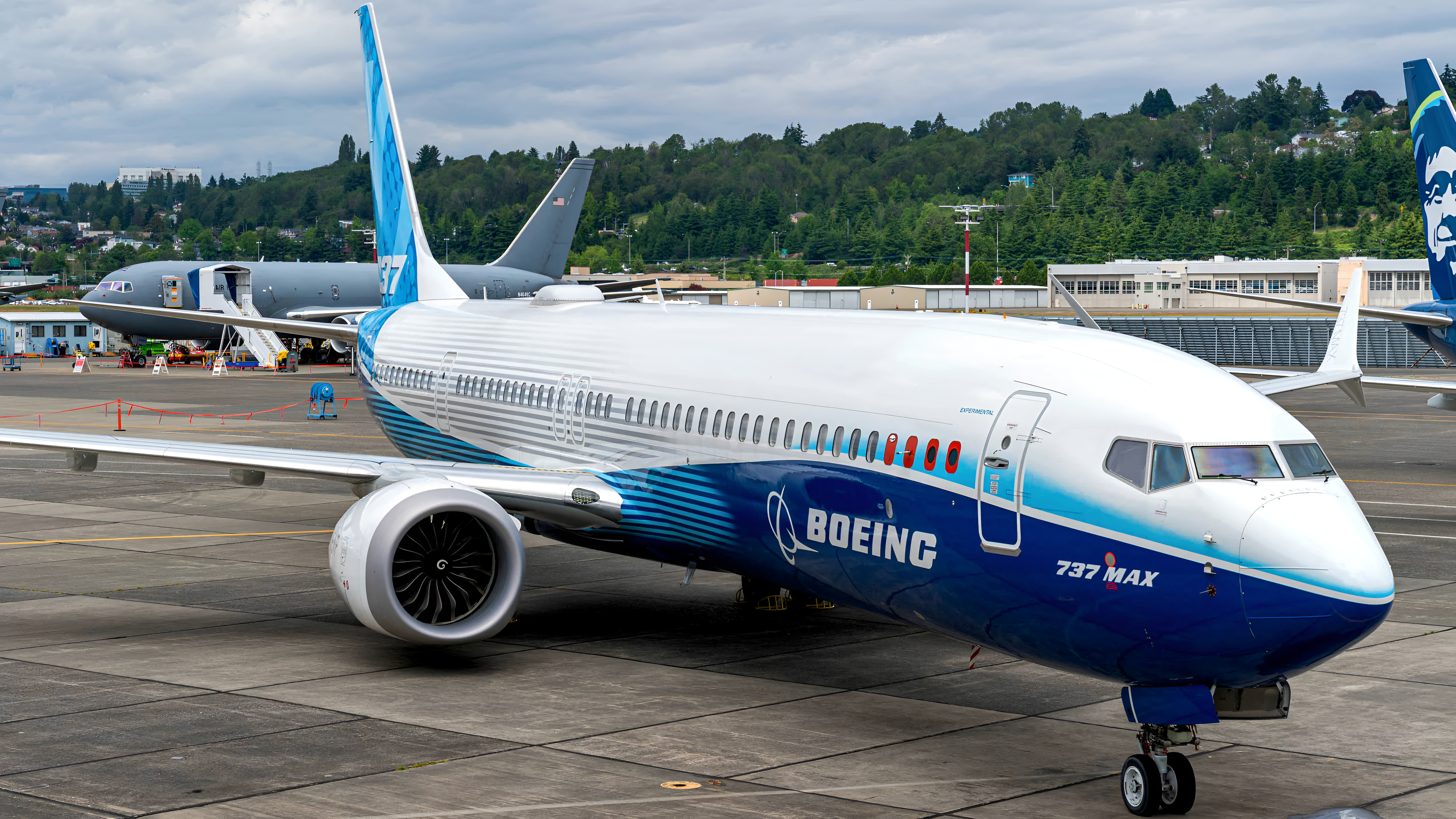
Boeing 737 MAX 10 Nears Approval, but Airlines Resist Its Software
The Boeing 737 MAX 10 could finally receive Federal Aviation Administration certification within days, six years after it was originally due to enter service. Yet approval may not produce an immediate stream of deliveries: Multiple airlines have reportedly told Boeing they will not accept aircraft carrying flight-management software that can stop automated vertical flight-path tracking under certain go-around conditions.
The conflict puts two different standards side by side. The FAA has determined that the software behavior is not an unsafe condition requiring mandatory action, while airlines can still decide that the resulting pilot workload, procedures or fleet complications are unacceptable. Certification establishes that an aircraft meets regulatory requirements; it does not compel a customer to accept a particular configuration.
According to Reuters, the MAX 10 completed a successful final type certification board review on October 16. Boeing must still submit a project statement of completion before the FAA can formally sign the type certificate. The largest 737 MAX variant completed its final certification flight in July, closing a test campaign of 976 flights and more than 2,060 flight hours.
The remaining dispute centers on versions U14 and U14.1 of the 737 flight management computer software. Under a specific sequence following a missed approach, vertical navigation can disconnect and the aircraft transitions to a simpler level of automated pitch control. Pilots retain control, but they must manage the relevant altitude and speed restrictions and complete additional procedural steps if they intend to use vertical navigation on a subsequent approach.
The FAA’s Special Airworthiness Information Bulletin, dated October 3, says the anomaly can occur after a missed approach when the crew navigates directly to a waypoint that is not part of an approach or approach transition for that airport. Both Boeing’s safety review board and the FAA’s corrective-action review board concluded that it was not an unsafe condition. The bulletin is informational, its recommendations are non-mandatory, and the FAA did not require a software correction before MAX 10 certification.
That finding does not eliminate the operational issue. A go-around already requires pilots to manage aircraft configuration, navigation, communications and the next flight path. Vertical navigation normally reduces workload by directing climbs, descents and level-offs according to programmed constraints. When that mode drops out, tasks previously handled by automation return to the crew at a demanding point in the flight.
This is why airline acceptance can be more restrictive than the certification baseline. Carriers must consider cockpit commonality, training, operating procedures, maintenance configurations and how one software version fits across a mixed fleet. Alaska Airlines, American Airlines, Southwest Airlines and United Airlines said none of their in-service MAX aircraft use U14 or U14.1. United also said it was “not taking deliveries of new aircraft” equipped with those versions.
The configuration options differ by MAX model. The already-certified MAX 8 and MAX 9 can use the older U13 software, allowing operators to avoid U14 and U14.1. The MAX 7 and MAX 10 rely on newer versions, and the MAX 10 used U14.1 throughout its certification flight testing. That leaves Boeing with less room to satisfy customers through a straightforward rollback on its newest variants.
The timeline has also sharpened airline and public scrutiny. WestJet identified the vertical-navigation flaw after a November 2024 test flight, but Boeing did not notify 737 operators for almost two years. Boeing has since revised pilot guidance and is working with airlines on a procedure that would allow crews to re-engage vertical navigation if the anomaly occurs.
A permanent software update was initially placed in 2028, although Boeing now says it is trying to bring that work forward. Until a corrected version or an airline-acceptable interim configuration is available, the MAX 10 can clear the FAA’s certification gate while remaining caught at a second one controlled by its customers.
WestJet plans to become the launch operator, subject to progress with Transport Canada’s certification. Alaska Airlines and Ryanair expect their first MAX 10s in spring 2027. Those delivery targets now depend on more than the FAA’s signature: Boeing must also produce a software and operating package that airlines are willing to put into service.
| More aerospace and engineering stories, right in your MSN feed. Follow AMI on MSN |
By David Whitaker — Associate editor for AMI’s aerospace and drone systems desk, translating flight systems, aircraft programs, spaceflight, and UAV developments into accessible technical stories.



