


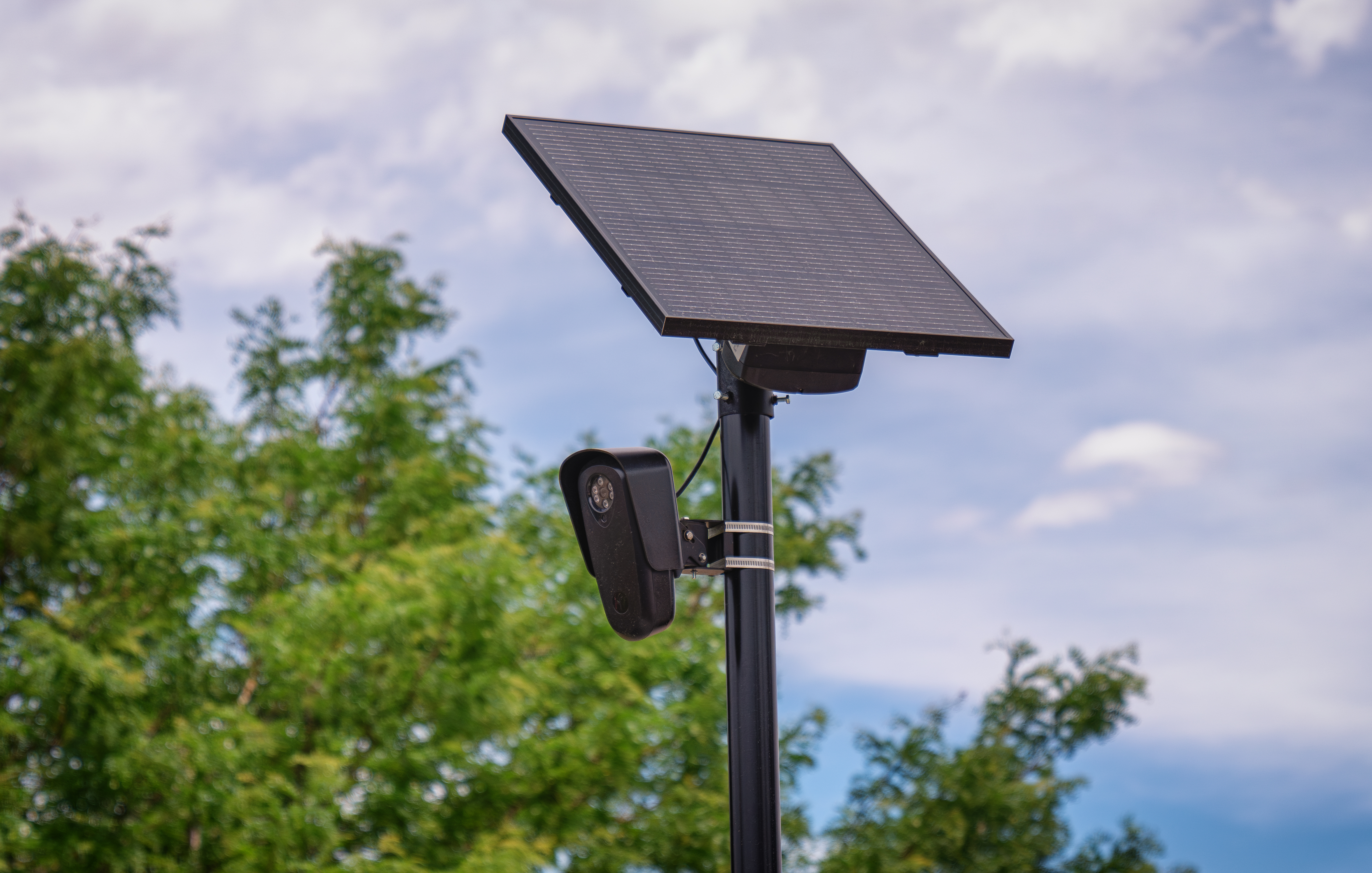
Tempe Bans City Plate Readers, but Police Can Still Access Outside Data
Tempe has banned its municipal agencies from operating automated license-plate readers, but the city has not created a vehicle-data blackout. Police can still obtain records collected by outside systems through warrants, subpoenas, court orders and narrowly defined task-force arrangements.

The City Council adopted Ordinance O2026.46 by a 6-1 vote on October 15, making Tempe the first Arizona city to prohibit police-operated plate readers. The measure, expected to take effect in mid-November, converts the August shutdown of 33 Flock Safety cameras into a continuing restriction: city agencies may not purchase, operate or contract for the technology.
The ban removes collection, not every path to data
That distinction defines the ordinance’s practical reach. Tempe is eliminating its own routine collection layer the cameras that had supplied information to the Police Department’s Real-Time Operations Center. It is not preventing every camera in the city from photographing a plate, nor is it categorically blocking investigators from requesting records held by another organization.
Automated plate readers photograph passing vehicles and associate plate numbers and vehicle descriptions with locations and timestamps. A network can compare those observations with lists of vehicles connected to stolen-vehicle reports, missing-person cases or investigations. Stored observations can also be searched later to reconstruct where a vehicle was recorded.
By removing 33 municipal cameras, Tempe is reducing the volume of location records generated under its direct authority. Existing municipal plate data generally must be destroyed, although records covered by legal preservation requirements including evidence associated with criminal investigations may be retained.
The remaining access channels are based on who collected the information and how Tempe officers seek it. Investigators may obtain externally collected records through specified legal processes such as warrants, subpoenas and court orders. Tempe officers assigned to multijurisdictional task forces may also use information independently gathered by participating agencies, provided Tempe police did not request the underlying database search.
This structure separates ownership from availability. The city cannot rebuild the same capability merely by contracting for another plate-reader service, but relevant records may still enter an investigation when an outside organization collected them independently and an authorized route applies. The practical privacy gain is therefore a smaller city-controlled tracking network, not immunity from being recorded elsewhere.
Twenty university cameras and private systems remain
Arizona State University operates a separate network of 20 Flock cameras on its Tempe campus. Those units are not part of the municipal network covered by the general prohibition. Cameras run by private businesses, apartment complexes or homeowners associations also remain outside the ban, while certain non-law-enforcement applications including parking management are still permitted.
For residents and visitors, camera ownership may consequently be difficult to infer from location alone. A vehicle traveling through Tempe will no longer encounter the city’s former 33-camera police network, but it may still pass university or privately operated equipment. Whether police can receive a resulting record depends on the collector, the purpose of the request and the legal procedure used.
The design also creates an uneven operational tradeoff. Privacy protection is strongest where municipal collection was the primary source of observations. Investigative capability is least affected when another agency or private system already captured the relevant vehicle. Cases without an outside observation lose the availability that a city camera might have provided.
Police Chief Kenneth McCoy opposed an outright ban and argued that the camera shutdown had made some investigations more difficult. Supporters focused on the ability of networked systems to compile travel histories and share data beyond the agency that installed the camera. Those are competing policy assessments; the enacted engineering boundary is clearer: Tempe controls its own equipment and contracts more directly than it controls independently collected records.
Research does not reduce that tradeoff to a simple choice between effective policing and privacy. A randomized evaluation summarized by the National Institute of Justice found no general or offense-specific deterrent effect from the limited plate-reader patrol strategy tested, while noting important limitations. A broader National Policing Institute evaluation says results can depend on camera type, deployment density, database connections and agency response practices.
Arizona’s wider review is still underway
Arizona Attorney General Kris Mayes opened a statewide investigation on August 27 into the collection, retention and sharing of vehicle-location data, including potential misuse and constitutional privacy concerns. The inquiry remains in progress, with findings planned for presentation to state lawmakers and the governor.
That review could address the larger network that a municipal ordinance cannot fully govern. Tempe has stopped being a routine producer of police plate-reader data, but its officers remain potential recipients of records generated beyond the city system. The next consequential boundary may therefore come from statewide rules governing retention, sharing, audits and access not from the number of cameras Tempe itself owns.
| More aerospace and engineering stories, right in your MSN feed. Follow AMI on MSN |
By Thomas Caldwell — AMI’s senior editor for mechanical and mobility engineering, covering vehicle electronics, systems integration, electrification, chassis systems, propulsion, and safety policy.




