


Ford Supplier JG Kern Plans Michigan Factory Closure, Cutting 156 Jobs
A supplier can own the machines, retain an experienced workforce and produce acceptable parts, yet still lose the economic foundation beneath the factory when one dominant vehicle customer withdraws its work. That is the position facing JG Kern Enterprises, a longtime Ford Motor Co. supplier that plans to close its nearly 200,000-square-foot powertrain-component plant in Sterling Heights, Michigan, and permanently lay off about 156 employees.

The family-owned manufacturer cited “unforeseeable business circumstances” in a state Worker Adjustment and Retraining Notification. Michigan’s WARN program generally requires advance notice for covered plant closings and mass layoffs, giving workers, state officials and local governments time to prepare. A person familiar with JG Kern’s operations said the plant is completing limited Ford work and is expected to idle by the end of 2026.
Founded in 1967 with seven employees, JG Kern has worked with Ford for more than five decades, according to a person familiar with the supplier. The plant has employed as many as 250 people at full production, while JG Kern’s website describes automotive manufacturing as 100% of its focus and lists BorgWarner, Dana and Magna among its other customers.
Lightning investment magnified the customer risk
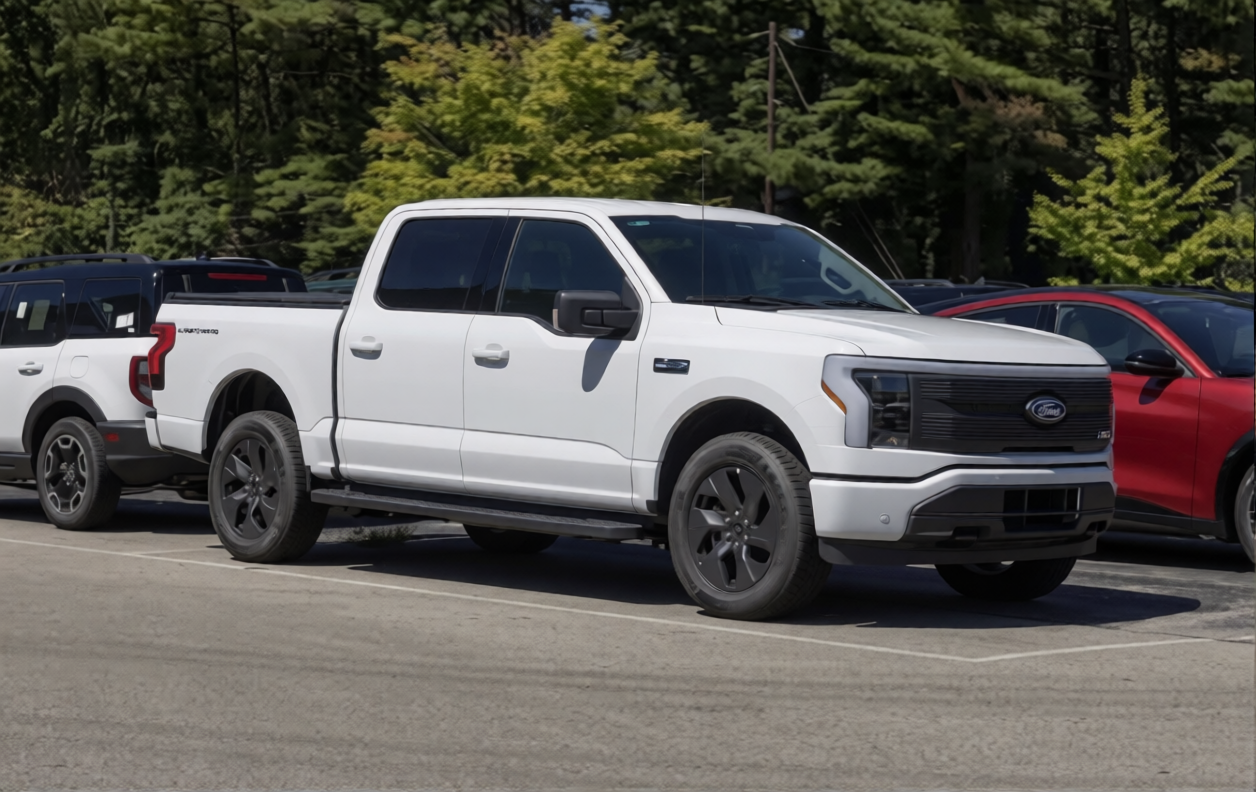
Ford was JG Kern’s largest customer, and many of the supplier’s components went into the original F-150 Lightning electric pickup, according to the person familiar with its operations. That person said JG Kern invested millions of dollars in equipment for anticipated Lightning production and expected demand measured in thousands of components per month.
Ford ended production of that version of the Lightning in 2025 after selling 27,307 trucks during the year, an 18.5% decline from 2024. Ford plans to bring the nameplate back as an extended-range electric vehicle, but it has not announced a launch date. The planned successor does not preserve the existing supplier arrangement or guarantee that previously installed equipment can be reassigned to it.
This is where customer concentration becomes a physical systems problem rather than only a sales problem. Machinery, fixtures, inspection processes and production flow committed to a particular component program represent capital that must be supported by sufficient volume. When that volume disappears, winning unrelated business does not automatically restore the plant. New work may require different equipment, customer qualification and production preparation before revenue begins.
JG Kern is seeking business from other automakers, according to the person familiar with the company. The difficulty is replacing the scale of Ford’s work quickly enough to support the factory and its workforce. Even a profitable supplier can face closure when a major contract ends faster than substitute production can be secured and launched.
Ford work is being redistributed
One unidentified person familiar with JG Kern said Ford work is moving to suppliers in India. A second person familiar with Ford’s plans said some production will instead go to suppliers in the United States. Those accounts establish a mixed redistribution rather than a confirmed wholesale transfer overseas.
Ford spokesman Dave Tovar declined to discuss confidential contracts or the automaker’s relationship with an individual supplier. He said Ford evaluates sourcing through quality, delivery, financial stability and operational risk so its assembly plants can continue operating. Tovar also said Ford remains committed to American manufacturing and jobs and described reliable suppliers as essential to protecting domestic production.
The closure nevertheless creates a direct contrast between that broad manufacturing commitment and the outcome at one Michigan supplier. The result is not merely 156 eliminated positions. Sterling Heights is also set to lose a factory with nearly 200,000 square feet of automotive production space, installed component-making equipment and a workforce built around high-volume vehicle programs.
Vehicle sourcing decisions routinely balance cost, quality, delivery reliability and continuity risk across a network of suppliers. JG Kern’s planned shutdown shows the other side of that optimization: shifting work may strengthen one part of an automaker’s supply plan while removing established capacity elsewhere. Once the Sterling Heights plant idles, restoring the same combination of equipment, process knowledge and trained labor would require more than placing another purchase order.
| More aerospace and engineering stories, right in your MSN feed. Follow AMI on MSN |
By Thomas Caldwell — AMI’s senior editor for mechanical and mobility engineering, covering vehicle electronics, systems integration, electrification, chassis systems, propulsion, and safety policy.



