


Homeland Security Withholds Aircraft Cost Records, Citing Criminal Investigation
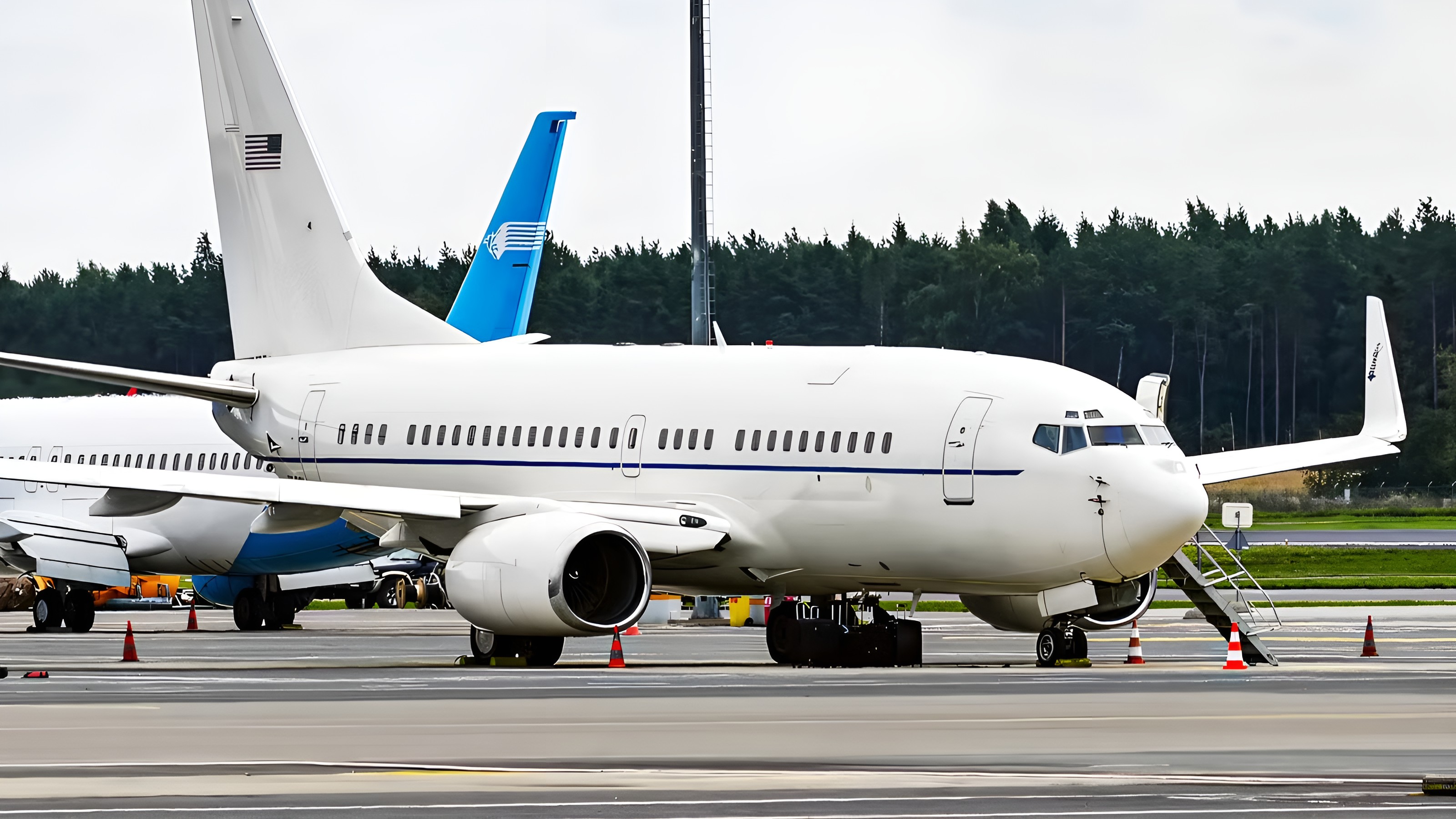
The Department of Homeland Security has withheld requested records identifying aircraft sellers, purchase prices and funding sources after invoking an “ongoing criminal law enforcement investigation.” In its October 20 response, the department did not identify a target, leaving both the procurement details and the scope of the enforcement matter unresolved.
Reporter Mark Alfred requested documents covering who sold the aircraft to DHS, how much the department paid and where the money came from. The DHS Privacy Office said the department “can neither confirm nor deny the existence of records responsive to this portion of the request” because disclosure “could reasonably be expected to interfere with ongoing or prospective enforcement proceedings.” The Washington Sun is appealing the denial.
The wording creates a narrow but consequential public-accountability problem. DHS has formally connected the requested information to an enforcement concern, but its response does not say that former Homeland Security Secretary Kristi Noem, Daedalus Aviation Corporation or any other named person or company is under investigation. It also supplies no finding that procurement rules were violated.
What the restriction means
The federal Freedom of Information Act allows agencies to protect certain law-enforcement information. The government’s FOIA guidance describes Exemption 7(A) as covering information compiled for law-enforcement purposes when release could reasonably be expected to interfere with enforcement proceedings.
Such a restriction can protect the integrity of an investigation, including its direction and information already gathered. For the public, however, the practical result is that basic acquisition facts remain unavailable through this request: the identities of the sellers, the transaction prices and the funding sources. Those are also the records needed to evaluate whether the government obtained reasonable value.
The dispute follows New York Times reporting that DHS bought five airplanes from Daedalus Aviation at a “substantial markup” near the end of Noem’s tenure. That description remains a reported characterization rather than an adjudicated procurement violation. Noem disputed the newspaper’s characterization of Daedalus as a political donor and demanded a retraction and correction.
The Washington Sun separately reported that Daedalus chairman William Walters donated $10,000 to a super PAC supporting Noem. A disclosed political donation and a government aircraft sale can generate legitimate scrutiny, but the institutional questions are specific: how the seller was selected, what pricing comparisons were used, what the aircraft and associated work included, and which appropriated funds supported the acquisition. The withheld records prevent an outside assessment of those points.
Aircraft price comparisons require more than a headline number
Aircraft procurement prices cannot be judged reliably from an airframe’s apparent market value alone. Contract scope can include inspection, refurbishment, modifications, documentation, delivery and other requirements. Differences in aircraft condition, quantities, contract terms and market timing can materially change a valid comparison.
Federal acquisition rules nevertheless establish a clear objective. Under Federal Acquisition Regulation 15.404-1, proposal analysis is intended to ensure that the final agreed price is fair and reasonable. Contracting officers can compare competing offers, historical prices, published market information, independent government estimates and prices paid for similar products.
The regulation also requires care when using previous or similar purchases as benchmarks. Earlier prices may need adjustment for different quantities, terms, market conditions and technical content. Expert technical advice may be needed to determine the magnitude and cost of modifications. Consequently, the reported markup cannot be evaluated fully without knowing both the aircraft’s baseline value and the work bundled into the government’s price.
Nor does the absence of publicly released records show that DHS failed to conduct an internal price analysis. It means outsiders currently cannot inspect the requested transaction information or determine what comparisons supported the agreed prices. That gap affects taxpayers, procurement overseers and competing suppliers seeking to understand whether access and pricing were handled fairly.
The FBI and White House referred questions from The Washington Sun to DHS. DHS did not immediately respond, and the Justice Department also did not respond. The records appeal is therefore the next defined step that could clarify whether any portion of the seller, price or funding information can be released while the enforcement proceeding remains protected.
Until that appeal produces a decision or DHS provides further information, two separate matters remain open: an unidentified criminal law-enforcement investigation and unanswered questions about the price and funding of five government aircraft.
| More aerospace and engineering stories, right in your MSN feed. Follow AMI on MSN |
By Thomas Caldwell — AMI’s senior editor for mechanical and mobility engineering, covering vehicle electronics, systems integration, electrification, chassis systems, propulsion, and safety policy.



