


Global Oil System Prevented Shortages by Draining One Billion-Barrel Buffer
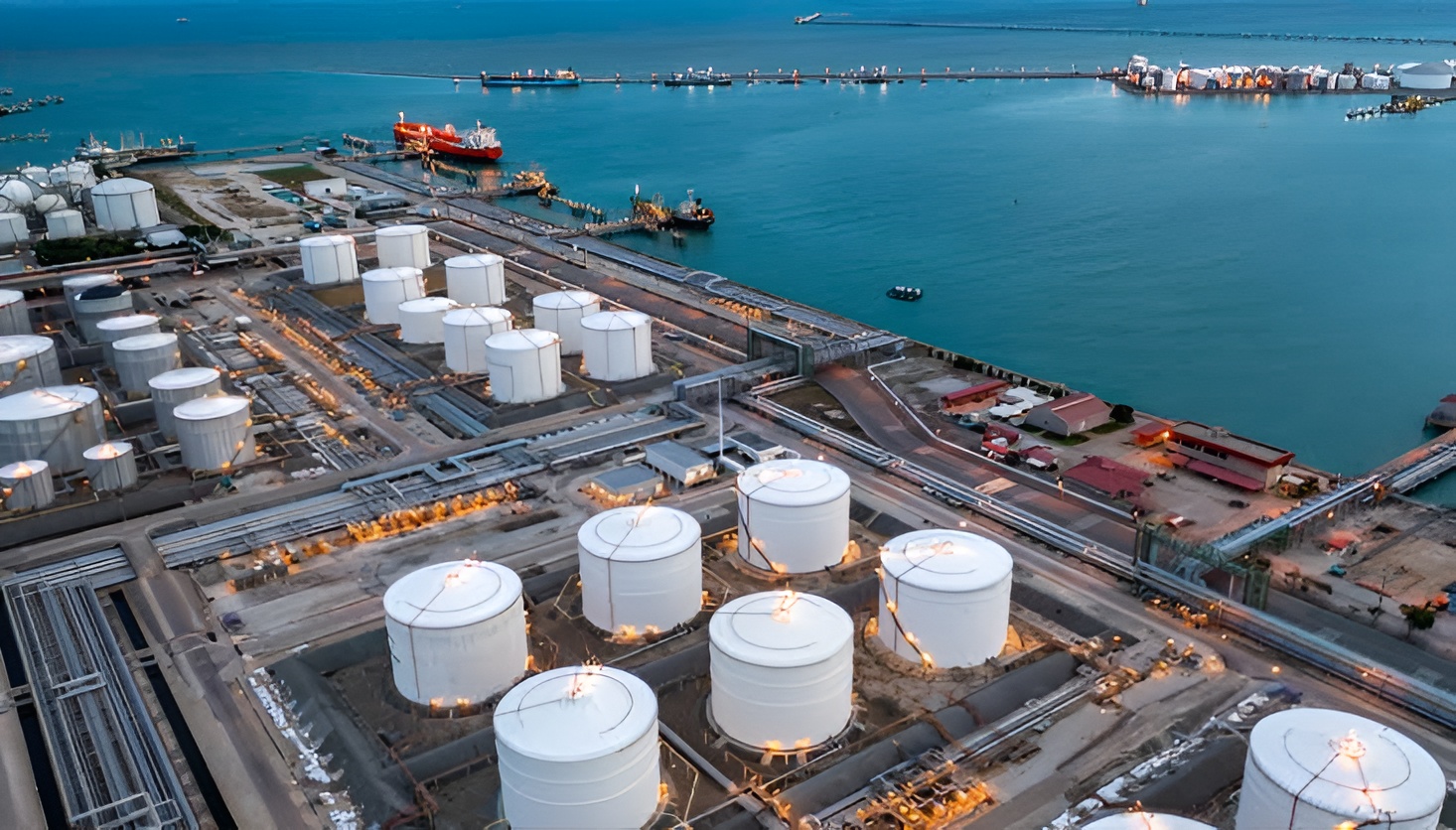
The global oil system prevented widespread gasoline, diesel and jet-fuel shortages after losing more than 1 billion barrels of supply, but it did so largely by consuming the protection set aside for emergencies. Countries likely withdrew roughly 1 billion barrels from storage, leaving motorists, airlines and freight operators more exposed if another disruption arrives before inventories can be rebuilt.
The International Energy Agency called the four-month conflict the largest energy disruption in history. The headline supply loss reached 14 million barrels per day at its worst, yet the feared physical shortages in Asia and Europe did not materialize. Instead, alternative export routes, reduced Asian purchasing and a record inventory drawdown kept refineries and distribution networks supplied.
Storage converted a supply break into a manageable delay
Oil inventories are time buffers. They allow consumption to continue when current production and imports fall short, giving producers, refiners, shipping companies and governments time to adjust. In this case, stored crude and refined products bridged a gap that rerouting alone could not close.
The largest coordinated intervention came from the IEA’s 32 members, which agreed to make 400 million barrels of emergency reserves available. It was the sixth collective stock action since the agency was created in 1974 and the largest in its history. By early October, 325 million barrels more than 80% of the pledged amount had been released.
China supplied another large cushion. It entered the conflict with nearly 1.4 billion barrels in storage, according to the U.S. Energy Information Administration. That exceeded the 1.2 billion barrels held as emergency stocks by all 32 IEA members at the start of the disruption, including 413 million barrels in the United States.
Not every stored barrel is interchangeable. Crude oil still must reach a compatible refinery and be converted into the products required in the right markets. Refined diesel or jet fuel can be more immediately useful during a product shortage, but it generally costs more to hold. Location, pipeline access, port capacity and refinery configuration therefore determine how much practical protection a nominal inventory provides.
Routes and demand carried part of the load
Saudi Arabia and the United Arab Emirates increased use of export routes outside the Strait of Hormuz. These alternatives preserved some Gulf supply, although bypass capacity was limited relative to the normal flow through the strait. Before the disruption, approximately 20 million barrels per day of crude and petroleum products around one-quarter of global seaborne oil trade used the passage.
Demand also adjusted. Asian buyers led by China curtailed purchases, while China’s electric-vehicle adoption and its flexibility in oil and petrochemical production helped reduce immediate requirements. More broadly, World Bank data shows that oil intensity the amount of oil required for a unit of economic output has fallen by more than half in most advanced economies since the oil shocks of the 1970s. It has declined by roughly 20% in emerging and developing economies.
That structural improvement helps explain why a larger physical disruption did not reproduce the same economic response as earlier crises. Benchmark Brent crude still reached about $126 a barrel in April, but that was approximately $20 below its 2008 record. It later fell below its level at the conflict’s outset as traders anticipated that the interruption would be temporary and supply would recover.
The recovery in prices is ahead of the physical system
Saudi Arabia, Kuwait, Qatar, Iraq and Bahrain have been resuming production and exports, but the logistics network has not returned fully to normal. Repairs to some damaged Gulf energy infrastructure could take years, while tanker traffic through Hormuz has shown a slower recovery than market prices suggest. The 60-day ceasefire also leaves the durability of the supply recovery unresolved.
The central constraint is now replenishment. IEA members are normally required to maintain stocks equal to at least 90 days of net oil imports, using combinations of government, agency and obligated industry inventories. Rebuilding those holdings requires supply to exceed current demand for an extended period; barrels placed back into storage are barrels unavailable for immediate consumption.
The system’s success therefore came at a measurable cost. Alternative routes and lower demand softened the disruption, but stored oil completed the bridge. Until roughly 1 billion withdrawn barrels are replaced and Gulf shipping and production recover more fully, the next supply shock will meet a thinner reserve cushion and potentially produce faster, sharper fuel-price increases.
| More aerospace and engineering stories, right in your MSN feed. Follow AMI on MSN |
By Thomas Caldwell — AMI’s senior editor for mechanical and mobility engineering, covering vehicle electronics, systems integration, electrification, chassis systems, propulsion, and safety policy.



