


Hybrid Loyalty Hits 58.3% as Electric-Car Leases Cost $100 More
Conventional hybrids are gaining consideration among U.S. car buyers while retaining 58.3% of tracked hybrid owners, according to current market data. The shift comes as the average electric-vehicle lease payment reaches $707 per month about $100 more than the average lease for a non-electric vehicle.

The comparison helps explain why hybrids are becoming the lower-friction fuel-saving option for many households. They reduce gasoline consumption without requiring a home charger, changing a driver’s refueling routine or adding as much to the monthly payment as a battery-electric vehicle often does.
Hybrid consideration rises as electric interest slips
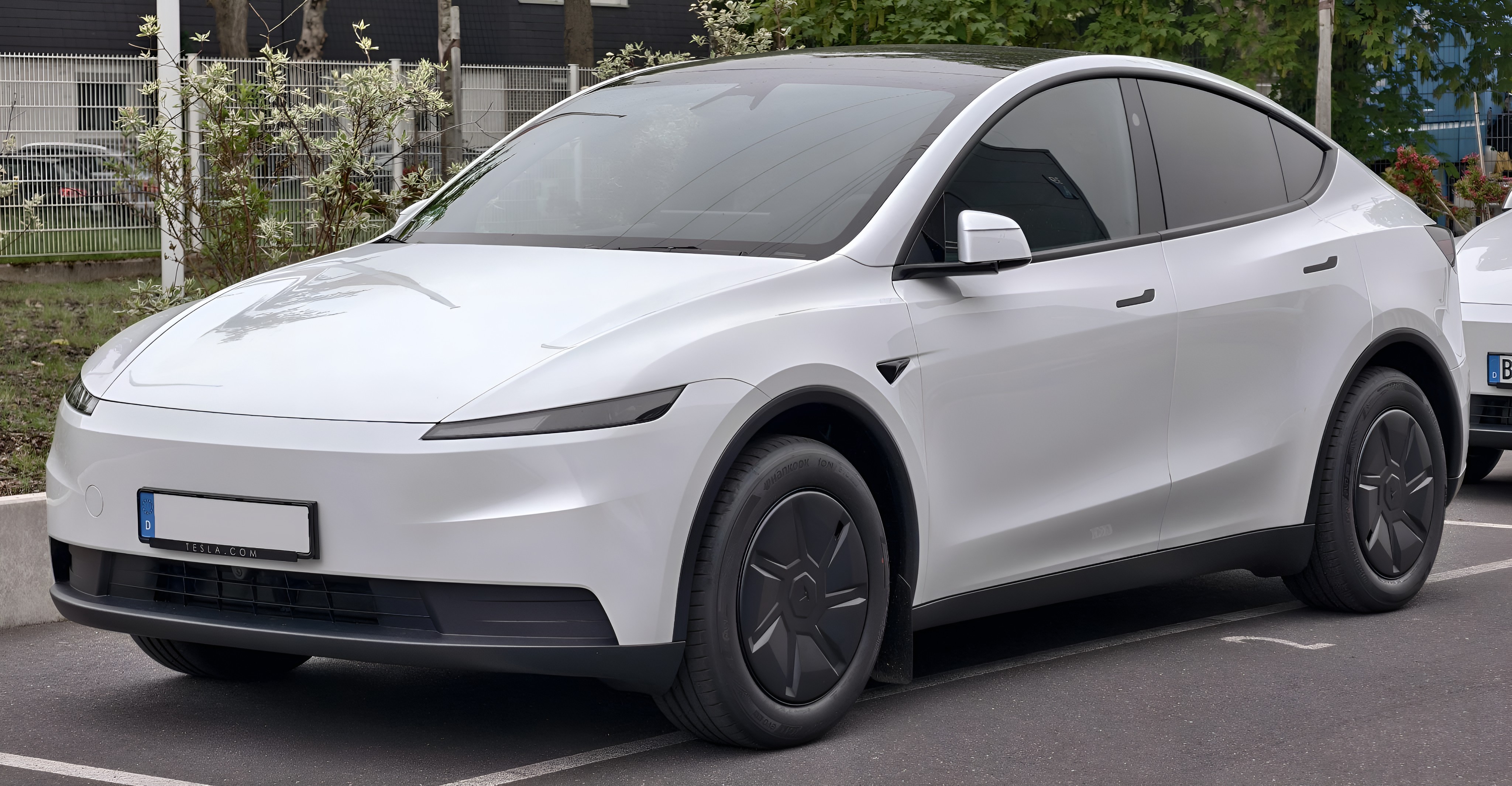
Cox Automotive reported that 22% of U.S. car buyers considered a new hybrid during the first half of 2026, up from 20% a year earlier and the highest level recorded for this powertrain. Electric-vehicle consideration moved in the opposite direction, declining to 10% from 11% in the first half of 2025. The Tesla Model Y was the only fully electric model among Cox Automotive’s 10 most wanted electrified vehicles.
Edmunds found a similarly strong pattern in dealership trade-ins. Of hybrid owners trading vehicles at brick and mortar dealerships, 58.3% selected another hybrid. Among the electric vehicles traded during the second quarter, 42.6% were replaced by conventional combustion vehicles, 34.6% by another electric vehicle, 15.6% by a conventional hybrid and 5.4% by a plug-in hybrid.
Those trade-in figures have an important boundary: They exclude transactions at Tesla, Rivian and Lucid stores, which shifts the sample away from brands selling only electric vehicles. A separate CDK Global survey found that 90% of U.S. electric-vehicle owners intended to buy another one. Together, the findings indicate that electric-vehicle loyalty remains strong among many established owners, even as dealership trade-ins and broader consideration data reveal difficulty reaching cost-conscious buyers.
The hybrid premium is smaller and easier to use
Corey Cantor, research director at the Zero Emissions Transportation Association, estimated that a conventional hybrid typically costs several hundred dollars to $1,000 more than a comparable gasoline vehicle. That relatively modest premium buys lower fuel consumption while preserving familiar fueling infrastructure and driving routines.
A battery-electric vehicle replaces the engine, fuel tank and exhaust system with a much larger battery, electric drive hardware and charging electronics. That architecture can deliver much lower energy costs and reduced routine maintenance, but its economics depend heavily on battery cost, financing or lease terms, depreciation and where the owner charges.
The monthly-payment difference is immediate. Edmunds placed the average electric-vehicle lease at $707, roughly $100 above a non-electric lease. The incentive environment has also changed: Federal credits for new and previously owned clean vehicles are not available for vehicles acquired after Sept. 30, 2025, according to the IRS. Removing a potential subsidy of up to $7,500 for a qualifying new vehicle makes price parity harder to achieve through federal support.
Total ownership costs reinforce the distinction between energy savings and overall affordability. AAA’s 2026 comparison, as summarized in an ownership-cost analysis, put average annual costs at $11,201 for hybrids, $11,656 for gasoline vehicles and $11,888 for electric vehicles across the compact-SUV examples. Electric models had substantially lower energy costs, but financing and depreciation offset that advantage. AAA found hybrids had the lowest overall costs in all four vehicle categories studied, although individual results vary with mileage, local energy prices and vehicle choice.
Charging access remains a household constraint
Home charging can make an electric vehicle convenient and inexpensive to operate, particularly when drivers can replenish the battery overnight at residential electricity rates. Apartment and other multifamily residents may not have affordable access to a Level 2 charger, however. Depending on public charging can raise energy costs and add waiting or travel time that does not appear in the vehicle’s advertised range or efficiency.
Escalent research found that concerns about battery replacement and home-charging costs ranked above purchase price among reasons consumers perceived electric vehicles as unaffordable. Those concerns do not mean every owner will incur a battery replacement or major electrical upgrade, but they add uncertainty to a purchase that may already carry a higher monthly payment.
Electric vehicles could become more competitive with cheaper leases, broader access to affordable residential charging and more models near the roughly $30,000 price point Cantor identified as important to U.S. buyers. Until those conditions spread, conventional hybrids can capture fuel savings across a wider range of housing and driving situations and do so without asking buyers to solve the charging question first.
| More aerospace and engineering stories, right in your MSN feed. Follow AMI on MSN |
By Thomas Caldwell — AMI’s senior editor for mechanical and mobility engineering, covering vehicle electronics, systems integration, electrification, chassis systems, propulsion, and safety policy.




