


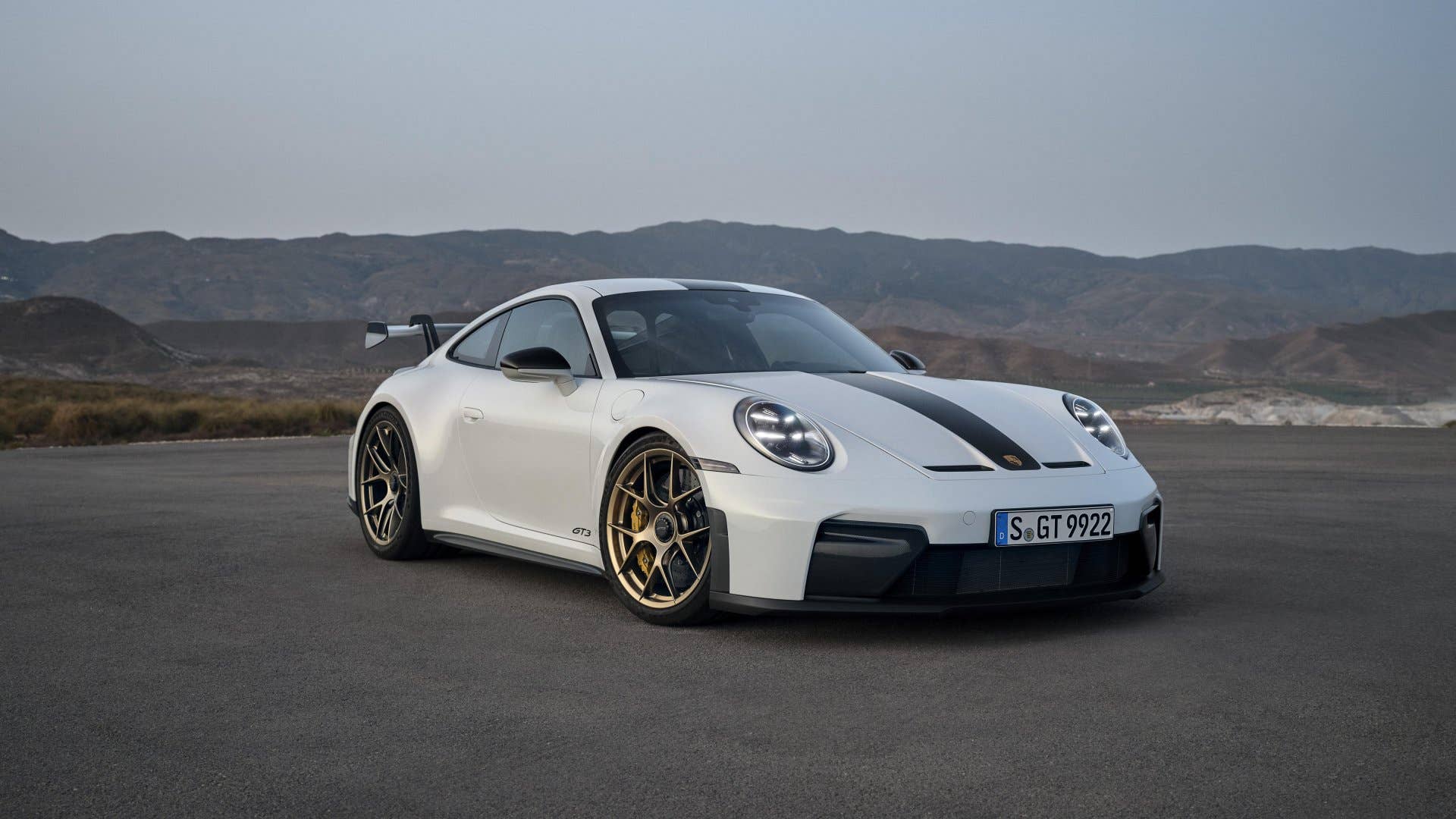
Porsche Adds 548 Cars as Subaru Issues Eight-Vehicle Stop-Drive Recall
Porsche and Subaru are telling affected owners to park certain vehicles until dealers inspect and repair fastening components that could allow a wheel or front-suspension joint to separate. Porsche has added 548 cars to an existing center-lock wheel recall, while Subaru’s separate action covers only eight vehicles but involves a ball joint that could separate without warning.
The two recalls differ sharply in scale and mechanical design, yet they reach the same operational decision: the affected vehicles should not be driven. Both defects concern highly loaded connections that are essential to steering and vehicle control, making the possible consequence more important than the number of vehicles involved.
Porsche recall expands after traceability investigation
Porsche’s action extends a recall first reported in October 2024. A supplier traceability investigation identified 548 additional 2024 vehicles that may contain center-lock wheel-fastening components manufactured outside specifications.
The affected models are the Porsche 718 Cayman GT4 RS, 718 Spyder RS, 911 S/T and 911 Carrera GTS. The recall applies only to specified vehicles within those model lines, not every example of each model.
A center-lock system retains a wheel with one central fastening assembly rather than the multiple lug nuts commonly used on passenger vehicles. In the recalled Porsches, an out of specification center-locking component could fracture. Porsche says that could allow a wheel to detach or reduce steering control, increasing the risk of a crash.
A driver may feel immediate steering-wheel vibration if a center lock fractures, but Porsche’s instruction is to avoid driving the affected vehicle rather than relying on that symptom. Two field incidents have been associated with the recall, and no injuries have been recorded.
Porsche dealers will inspect the center-lock wheel-fastening systems and replace out of specification parts at no charge. The automaker also plans to contact affected owners by phone, email and the MyPorsche app within one to two weeks to communicate the stop-drive order.
Subaru’s eight-vehicle recall may provide no warning
Subaru’s recall covers eight 2026 Crosstrek and Forester vehicles. The left-front lower-control-arm ball-joint castle nut may not have been tightened to the specified torque during assembly.
The ball joint connects parts of the front suspension while permitting the movement required for steering and suspension travel. If the castle nut lacks the required tightening torque, the ball joint could separate from the lower control arm. Subaru says the resulting loss of vehicle control may occur without warning.
Subaru is therefore instructing affected owners not to drive their vehicles and will provide towing to a dealer. Dealers will inspect the ball-joint assembly and replace necessary components without charge.
The comparison illustrates why recall size alone is a poor measure of immediate risk. Porsche’s additional population is much larger, and its expansion followed further work to trace potentially affected components. Subaru’s population is exceptionally small, but the combination of a critical suspension connection and a potentially warning-free separation supports the same stop-drive response.
Inspection comes before a return to service
Remedy information for owners affected by the recalls is planned for mid-December. Owners can check recall status using a vehicle identification number, license plate, or vehicle year, make and model. Because the actions apply to limited production populations, that vehicle-specific check is necessary to determine whether an individual Porsche or Subaru is included.
Effective recall outreach is particularly important when owners must stop using a vehicle immediately. National Highway Traffic Safety Administration guidance identifies direct risk language, current owner information, repeated contact through multiple channels and clear notice of free repairs as common features of campaigns with high completion rates. Porsche’s planned phone, email and app notifications follow that multi-channel approach, while Subaru’s towing offer addresses the practical conflict between a stop-drive instruction and the need to get the vehicle to a dealer.
For these affected cars, the repair process begins without the usual trip behind the wheel: Porsche owners must await inspection arrangements, and Subaru owners are being offered a tow before the left-front suspension joint is checked.
| More aerospace and engineering stories, right in your MSN feed. Follow AMI on MSN |
By Thomas Caldwell — AMI’s senior editor for mechanical and mobility engineering, covering vehicle electronics, systems integration, electrification, chassis systems, propulsion, and safety policy.



