


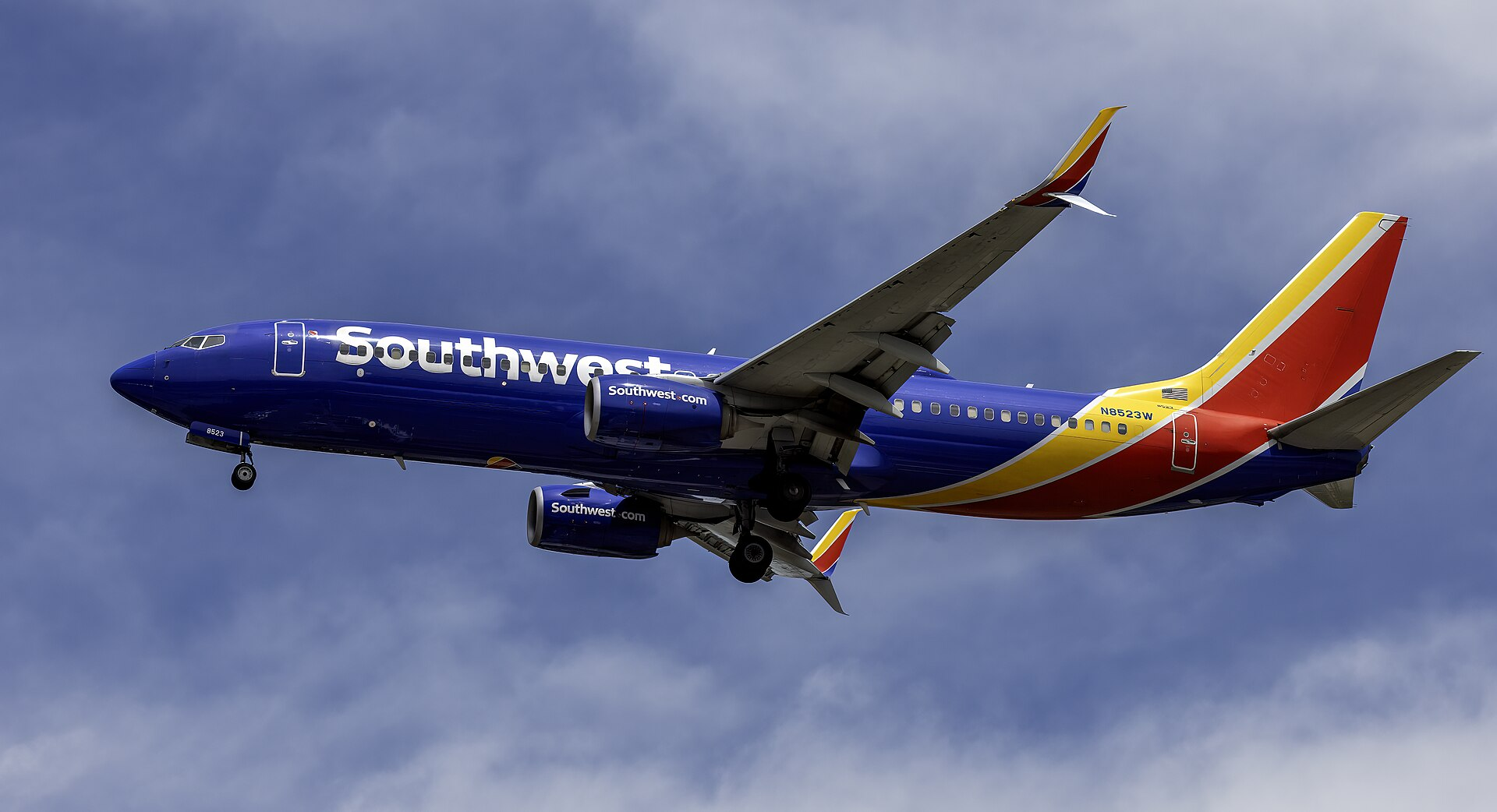
FAA Orders 1,987 Boeing 737 Tail Checks Over Control Hazard
Airlines wanted more time and flexibility, but the Federal Aviation Administration kept mandatory tail inspections on schedule for 1,987 U.S.-registered Boeing 737 Next Generation jets. The final airworthiness directive follows reports from multiple operators of aircraft pitching up and down in flight because of excessive movement in the horizontal stabilizer mechanism.
The order takes effect Nov. 23, 2026. It covers specified 737-600, -700, -700C, -800, -900 and -900ER aircraft, including examples of the widely used 737-800. The newer 737 MAX family is not included. For passengers checking an aircraft type on an itinerary, seeing “737-800” means the model is within the covered family not that the particular airplane has excessive wear or is automatically unsafe.
Why movement in the tail matters
The horizontal stabilizer is the tail surface that supports longitudinal stability and helps manage an aircraft’s nose-up and nose-down attitude. Its mechanism includes left and right pivot hinges and a jackscrew that changes the stabilizer’s position. The required maintenance work measures freeplay, the unwanted looseness or movement that can develop in those mechanical connections.
Some mechanical clearance is unavoidable, but movement beyond prescribed limits can change how the stabilizer responds under aerodynamic loading. The FAA said the unsafe condition, if left unaddressed, could lead to a flutter event, which can result in loss of control of the airplane. Flutter is an aeroelastic vibration in which structural movement and aerodynamic forces reinforce each other.
The reported pitch oscillations prompted the inspection order, but the FAA did not say that flutter or loss of control occurred in those events. It also did not disclose how many events took place, when they happened or which airlines reported them.
Operators must measure freeplay at both stabilizer pivot hinges and at the jackscrew. Results will determine whether an aircraft needs additional measurements, recurring inspections, or repair or replacement of worn components. A post-repair or post-replacement inspection is still required to confirm that movement is within the specified limits before the aircraft returns to service.
The FAA declined broader schedule changes
The maintenance dispute centered less on whether to inspect than on when and how often. Canadian North asked to extend the initial inspection threshold from 12 months to 36 months, arguing that the longer period would align the work with a typical heavy-maintenance visit and provide more time for planning, logistics and parts procurement.
United Airlines, which operates more than 300 affected aircraft, sought longer recurring-inspection intervals for airplanes fitted with new hinge bearings. It also requested credit for inspections completed using earlier Boeing instructions. The FAA said existing service information already provides some relief for accepted prior measurements, so it did not revise the directive.
Alaska Airlines asked for the option to repair or replace worn parts immediately rather than proceed through the specified interim freeplay checks. The FAA responded that operators can perform an interim inspection early and complete repairs during the same maintenance period, but the required verification after the work remains in place.
The regulator retained its principal deadlines because excessive freeplay can develop in original, repaired or replacement parts. Operators can still request an alternative compliance method or deadline, but they must submit enough data to show that the alternative provides an acceptable level of safety.
Six labor hours per initial inspection
The FAA estimates that the basic freeplay measurement will take six work hours and cost $510 per aircraft. Across 1,987 U.S.-registered jets, that puts the initial fleetwide labor cost at $1,013,370. The figure excludes replacement parts and further work because the agency cannot yet determine how many aircraft will need corrective action.
The directive does not impose a blanket grounding. Instead, it turns a Boeing inspection procedure into a mandatory maintenance requirement, with the work and any resulting repairs incorporated into operators’ schedules. Authorities outside the United States will decide whether to order equivalent checks for aircraft under their own registries; more than 5,160 737NG aircraft are listed as active worldwide.
For operators, the immediate constraint is now fixed: inspect on the FAA’s timetable, continue monitoring even after parts are replaced, and verify acceptable stabilizer movement before returning a repaired aircraft to service.
| More aerospace and engineering stories, right in your MSN feed. Follow AMI on MSN |
By David Whitaker — Associate editor for AMI’s aerospace and drone systems desk, translating flight systems, aircraft programs, spaceflight, and UAV developments into accessible technical stories.



