


US Army Rocket Redirects After Launch, Hits Moving Target at White Sands
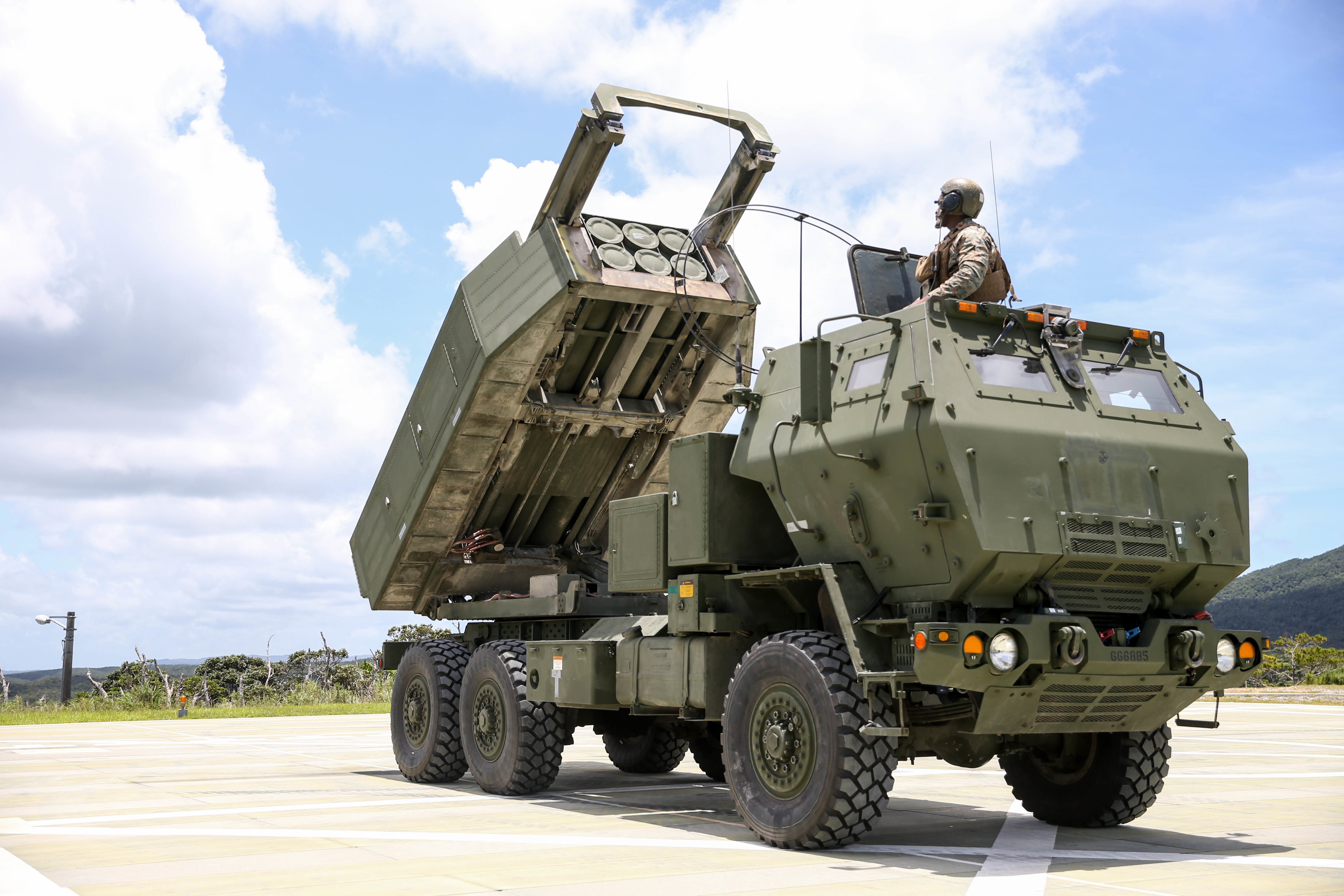
A rocket normally begins its flight with a destination already loaded. In a recent test, however, a U.S. Army Guided Multiple Launch Rocket System round received a different target assignment after leaving its launcher, changed course and hit a moving target at White Sands Missile Range in New Mexico.

The Army and Lockheed Martin demonstration used a GMLRS rocket fired from a High Mobility Artillery Rocket System, better known as HIMARS. Lockheed Martin’s Strigo datalink and Remote Interceptor Guidance-360 system transmitted updated targeting information while the rocket was in flight. In practical terms, the test showed that commanders could revise a preassigned target after launch rather than being locked into the original coordinates.
That is a meaningful change for a weapon designed around precision strikes on predetermined locations. A moving object can leave its previously reported position during the rocket’s flight, while changing conditions can also make an initial assignment less useful. Passing updated information to the rocket offers a potential way to close that gap, provided another part of the network continues supplying accurate target data.
A communications upgrade, not an entirely new rocket
The engineering approach is important. Lockheed Martin and the Army connected the Strigo communications link and RIG-360 guidance system to the rocket’s existing architecture instead of developing a replacement munition from the ground up. Lockheed Martin funded that integration work internally.
Using an existing rocket creates the prospect of a more focused upgrade: add the communications and guidance functions needed to accept new information rather than redesigning the entire weapon. That could be attractive for an Army already operating GMLRS and its associated launchers, because compatibility with established equipment can reduce the amount of new hardware and training introduced into the force.
It is not yet a proven cheaper upgrade. No project cost, unit modification cost or comparison with alternative weapons was disclosed. The test established that the selected hardware could work together in this demonstration; it did not establish what production modifications, support equipment, maintenance changes or network investments would be required for field use.
The rocket is only one part of the system
Midflight redirection depends on more than the munition’s ability to receive an update. The wider system must maintain an accurate picture of the moving target, generate revised targeting information and deliver it through a reliable communications path in time for the rocket to respond.
That makes the datalink a central part of the capability rather than a minor accessory. If the incoming information is late, inaccurate or unavailable, the rocket cannot benefit from having an update channel. Performance outside a controlled test would therefore depend on the quality and resilience of the supporting sensors, targeting systems and communications network.
The demonstration also should not be confused with autonomous targeting. The confirmed result was a rocket accepting updated targeting information supplied through an external guidance and communications package. The test did not establish that the rocket independently detected, selected or tracked the moving target.
One hit does not establish operational readiness
Lockheed Martin identified Extended Range GMLRS and the Precision Strike Missile as possible applications for the same general datalink approach. Those weapons were not shown receiving midflight target changes in this event. Each would need appropriate integration and testing before the concept could become an operational capability.
The Army has not announced a fielding schedule or procurement decision based on the White Sands result. A single successful live-fire event demonstrates technical feasibility under the conditions tested, but operational adoption would require broader evaluation of reliability, compatibility, support demands and performance across representative conditions.
Still, the central result is concrete: an existing Army rocket left a HIMARS launcher with one assignment, accepted a new one in flight and hit a moving target. The next consequential step is determining whether that control can be made reliable, supportable and affordable enough to move beyond a technology demonstration.
| More aerospace and engineering stories, right in your MSN feed. Follow AMI on MSN |
By David Whitaker — Associate editor for AMI’s aerospace and drone systems desk, translating flight systems, aircraft programs, spaceflight, and UAV developments into accessible technical stories.




