British Carrier F-35Bs Join Norwegian Jets for First Six-Fighter B-52 Escort
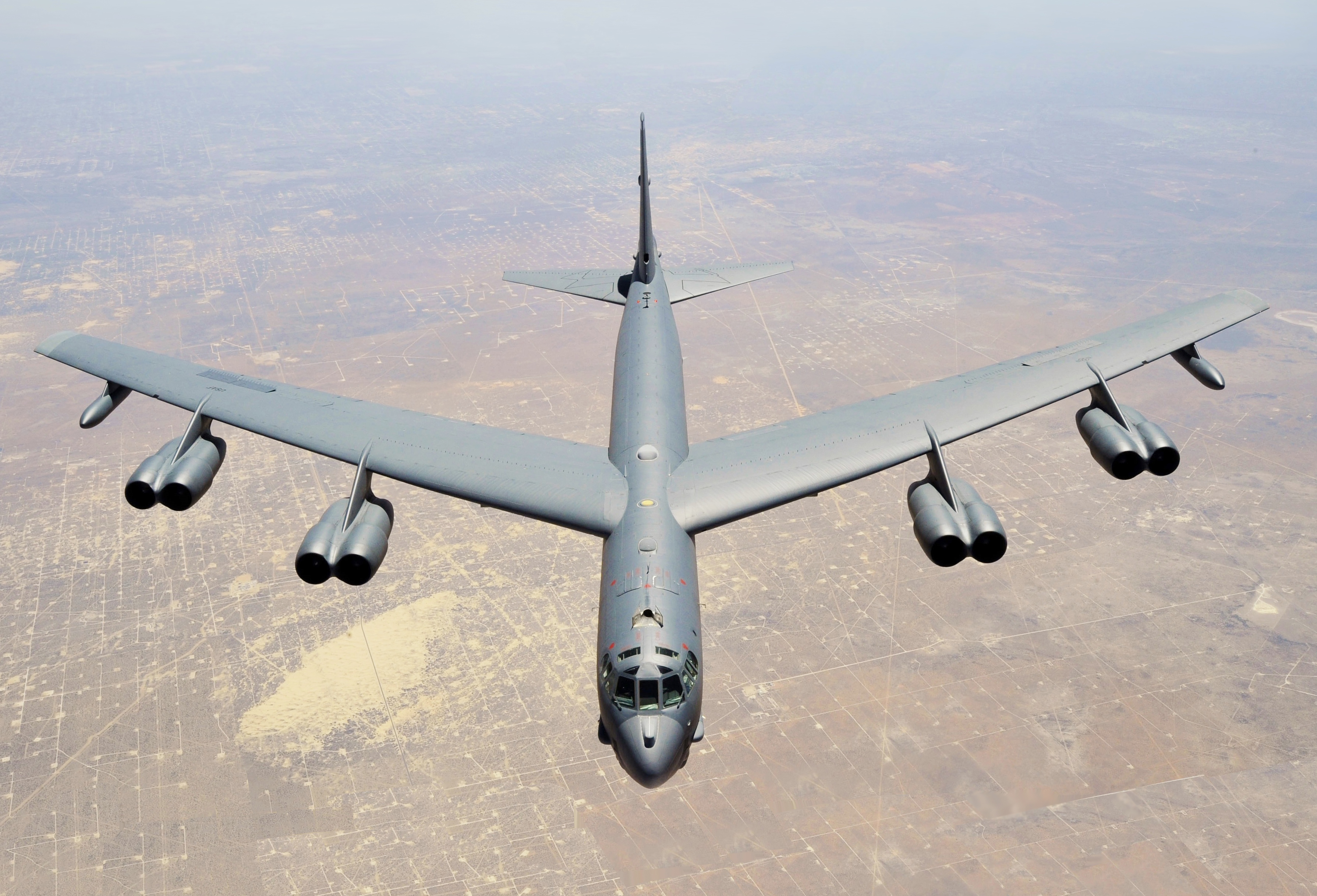
Six British and Norwegian F-35 fighters assembled around a US Air Force B-52 over the Norwegian Sea on October 24, completing the first such escort involving British F-35Bs launched from an aircraft carrier. The flight formed part of Global Thunder 27, US Strategic Command’s annual strategic exercise.

The British jets from 617 Squadron launched from HMS Prince of Wales, while Royal Norwegian Air Force F-35As joined from mainland Norway. Photographs showed the B-52 flanked by three F-35s on each side, bringing carrier aviation, land-based fighters and a long-range bomber into one coordinated formation in the High North.
British and Norwegian F-35s have operated with American bombers before. The new element was the departure point: British short-takeoff-and-vertical-landing F-35Bs launched from a Royal Navy carrier at sea and then joined the Norwegian F-35As around the bomber. That added the carrier’s flight deck, shipboard air operations and recovery cycle to an already long multinational sortie.
One B-52 completed the formation
The participating B-52, using the callsign HUSH 11, departed Minot Air Force Base in North Dakota for the transatlantic mission. Multiple tanker aircraft supported the bomber during the flight, while a Royal Air Force Voyager tanker supported the operation involving the British fighters.
A second B-52 had been scheduled to participate but reportedly withdrew because of a technical issue. The mission therefore proceeded with one bomber rather than the planned pair, while retaining the six-fighter escort. It was a practical reminder that even a highly choreographed strategic exercise remains subject to ordinary aircraft availability and serviceability constraints.
Aerial refueling was central to making the formation possible. The B-52 had to cross the Atlantic from North Dakota, while the fighters joined from two very different operating locations. Tanker support extended the usable time and range available to assemble those aircraft in the same airspace rather than forcing the mission around the endurance of its shortest-legged participants.
Refueling across a multinational force also depends on more than having tankers nearby. Tanker and receiver combinations require technical and operational clearance, and crews must use aligned procedures. NATO’s air-refueling work treats compatibility as an airworthiness and certification problem as well as an operational one: each approved pairing represents prior engineering assessment, flight testing and procedural preparation.
The carrier was the new moving piece
HMS Prince of Wales entered the mission during the second phase of Operation Firecrest, its 2026 deployment focused on operations with NATO partners in the North Atlantic, Arctic and High North. The carrier departed Portsmouth on October 18 with more than 1,200 British personnel involved in the wider strike-group deployment.
The Royal Navy’s deployed air group includes F-35Bs, Merlin and Wildcat helicopters, and uncrewed aircraft. HMS Dauntless accompanies the carrier, which is also operating with Norwegian naval forces including HNoMS Fridtjof Nansen.
For the F-35Bs, operating from Prince of Wales means the airfield itself is moving. Launch timing, deck handling, aircraft preparation, tanker coordination and recovery all have to align with the bomber’s arrival and the Norwegian fighters’ departure from shore. The completed escort demonstrated that those separate pieces could converge on schedule despite the loss of the second bomber.
The six-fighter formation also made the exercise’s strategic message highly visible to anyone following NATO activity in northern Europe. Its supported meaning is narrower than a warning aimed at a named country: US Strategic Command described Global Thunder 27 as a regularly scheduled exercise, not a response to any particular nation, international development or current event.
Global Thunder began October 22 to test nuclear command, control and operational readiness across the US strategic enterprise. Within that larger exercise, the October 24 flight supplied a concrete multinational result: one bomber crossed from North America, British fighters launched from a carrier, Norwegian fighters arrived from land bases, and tanker support held the mission together long enough to produce the six-jet escort.
| More aerospace and engineering stories, right in your MSN feed. Follow AMI on MSN |
By David Whitaker — Associate editor for AMI’s aerospace and drone systems desk, translating flight systems, aircraft programs, spaceflight, and UAV developments into accessible technical stories.